


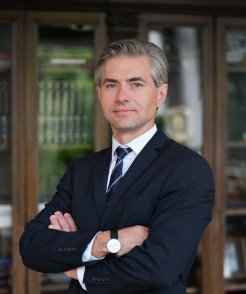
Vice-Minister Valys highlighted the importance of alternatives to economic dependence on Russia in EU-Central Asia fora
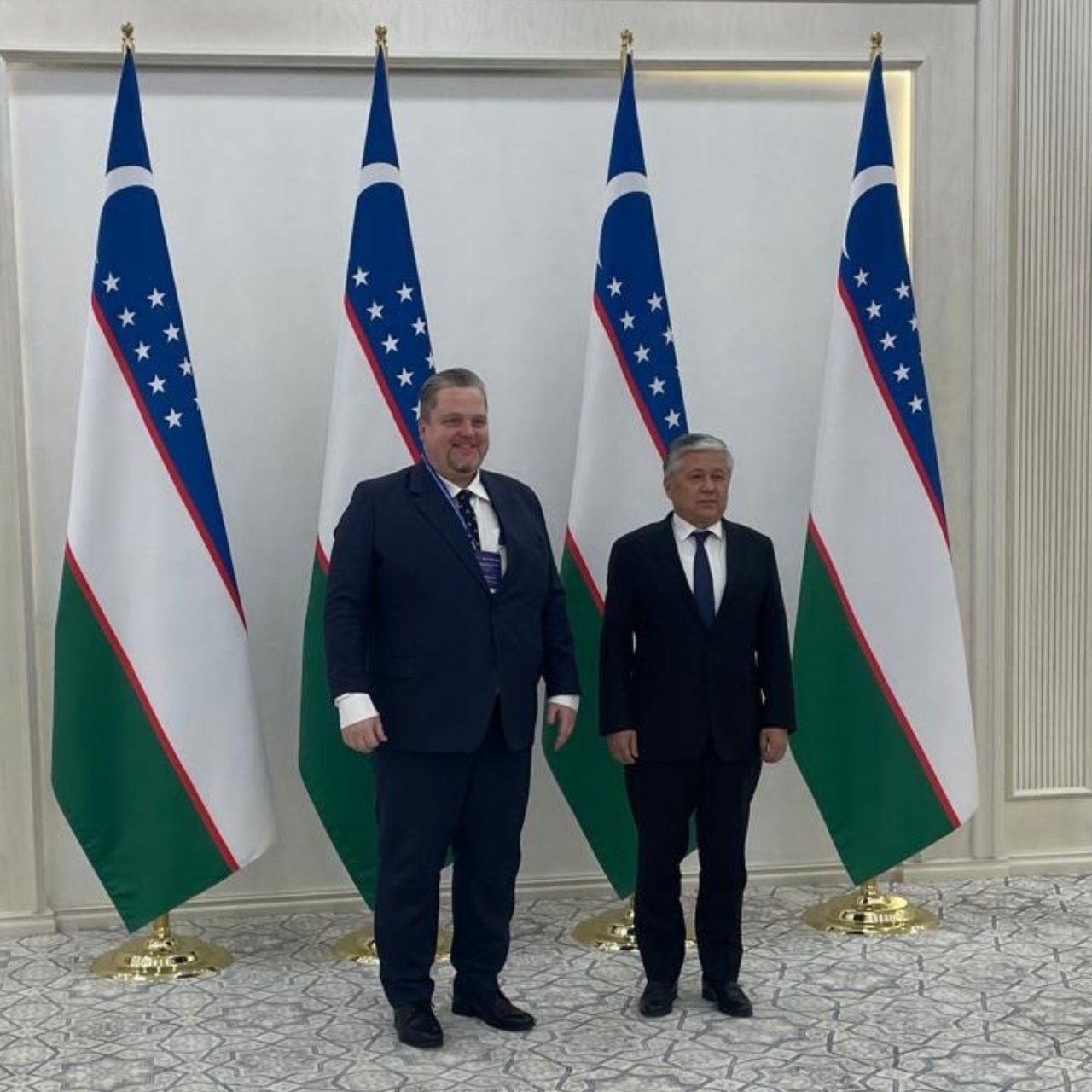
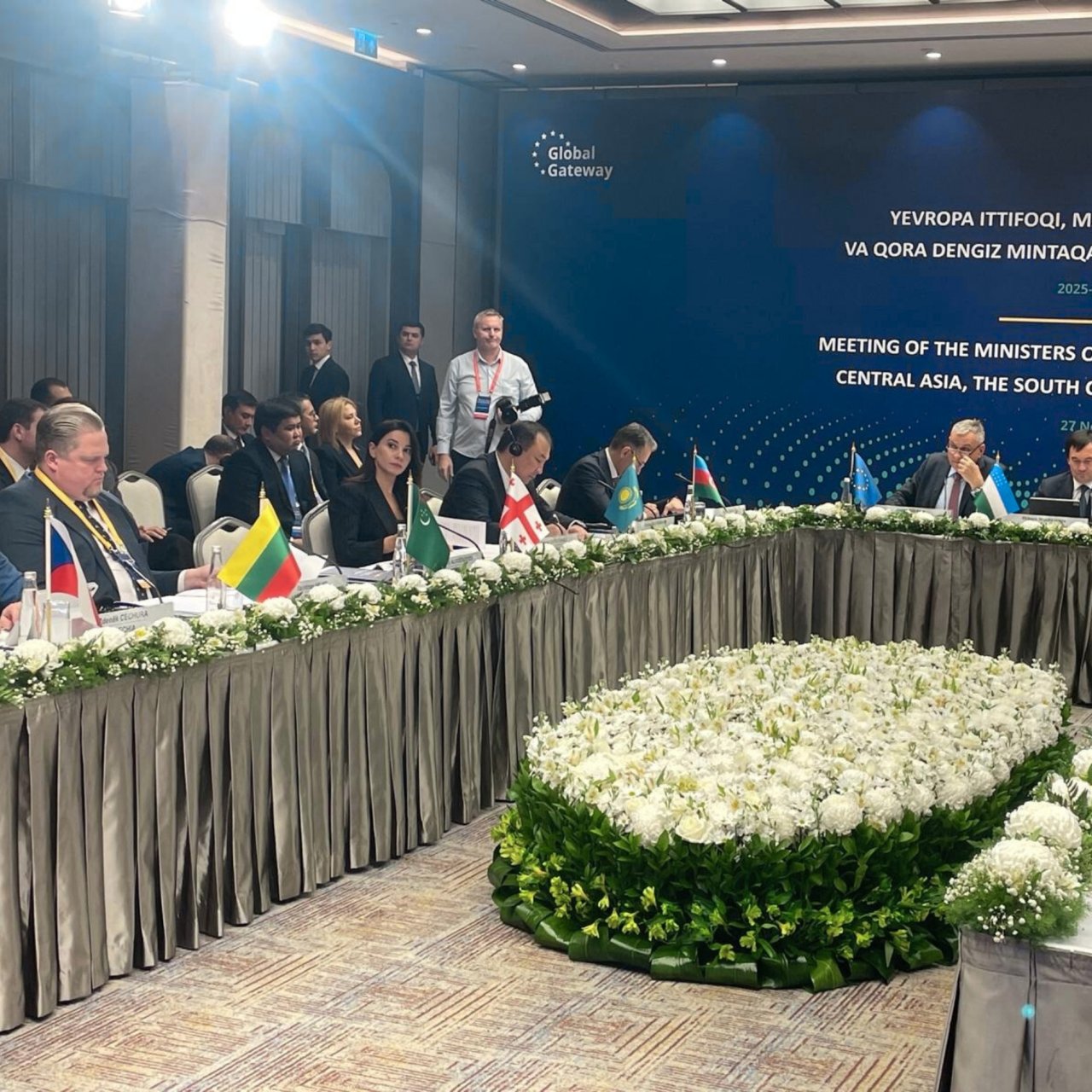
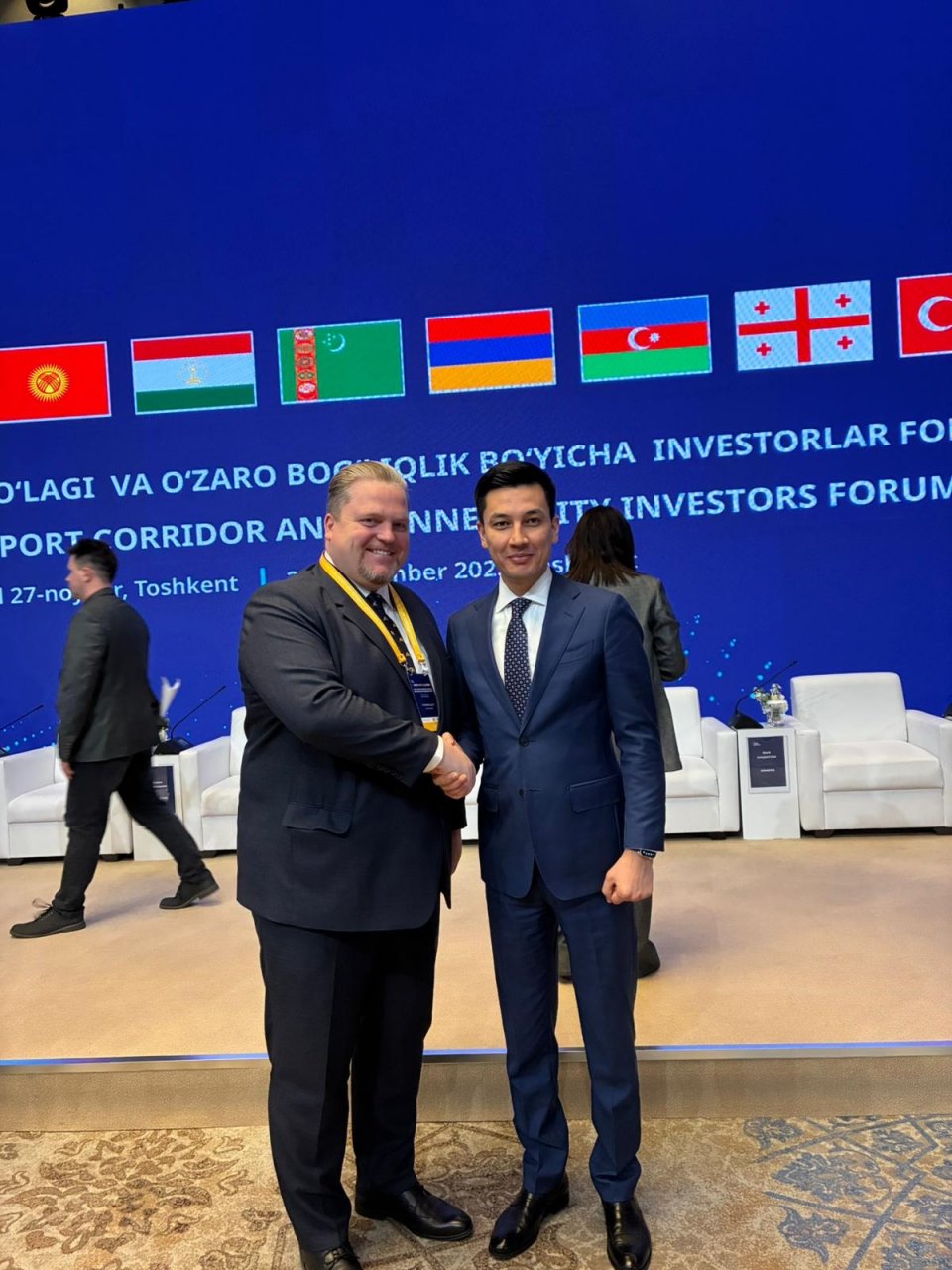
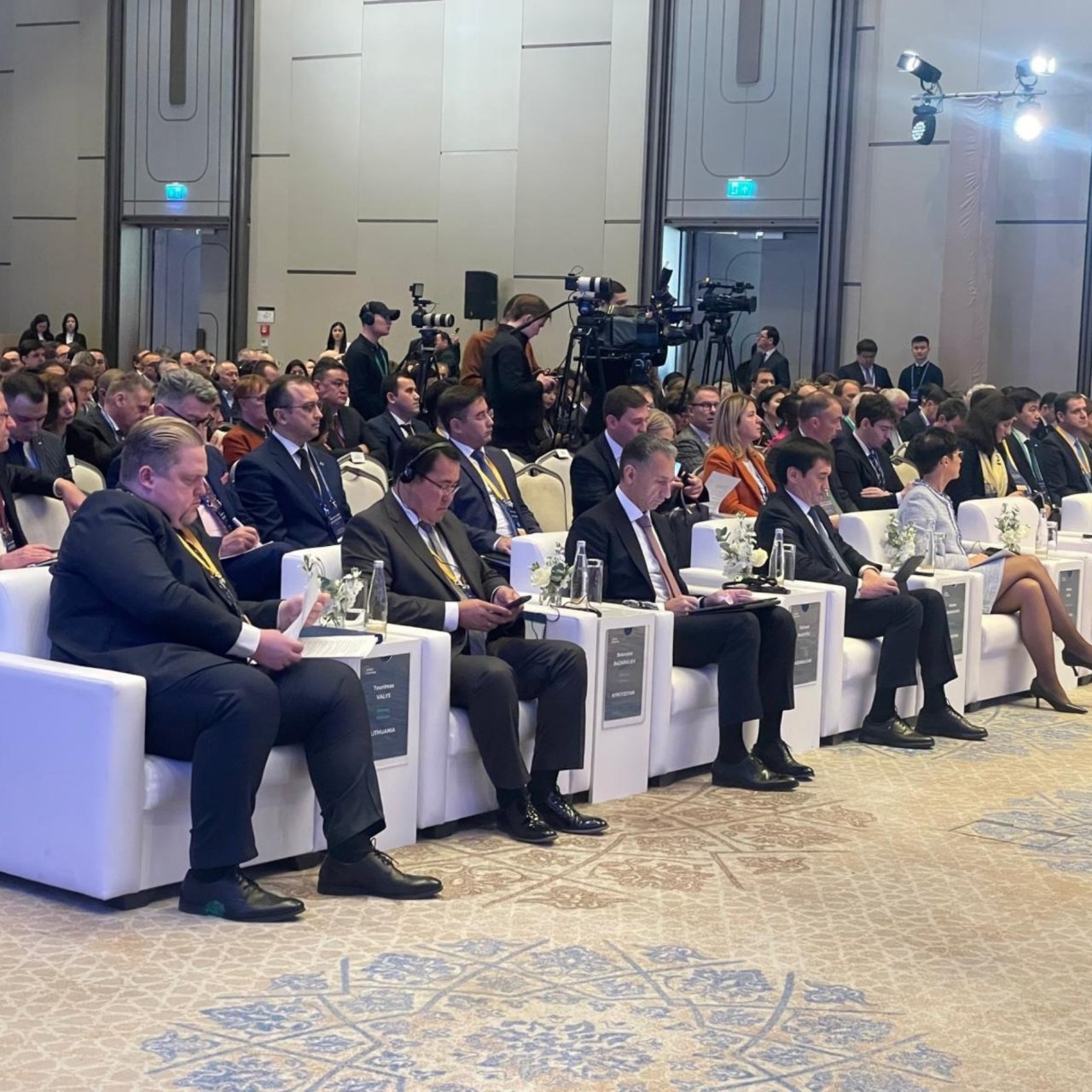
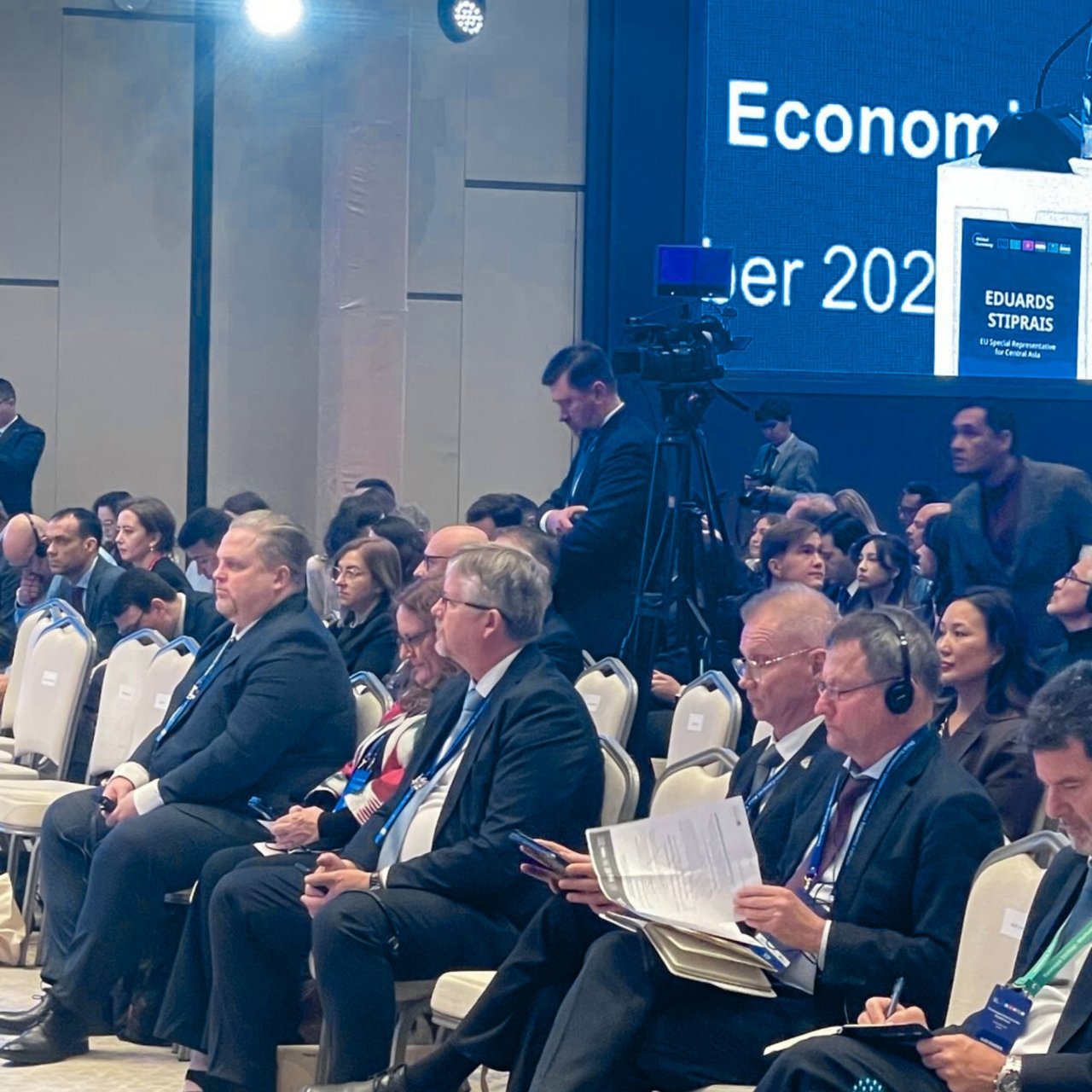
At the third EU-Central Asia Economic Forum held in Tashkent on 26 November, the Vice-Minister of Foreign Affairs of Lithuania, Taurimas Valys, stressed that this forum is a good opportunity to highlight alternatives for Central Asian states to economic dependence on Russia and the importance of cooperation with the EU, including in the context of the war against Ukraine.
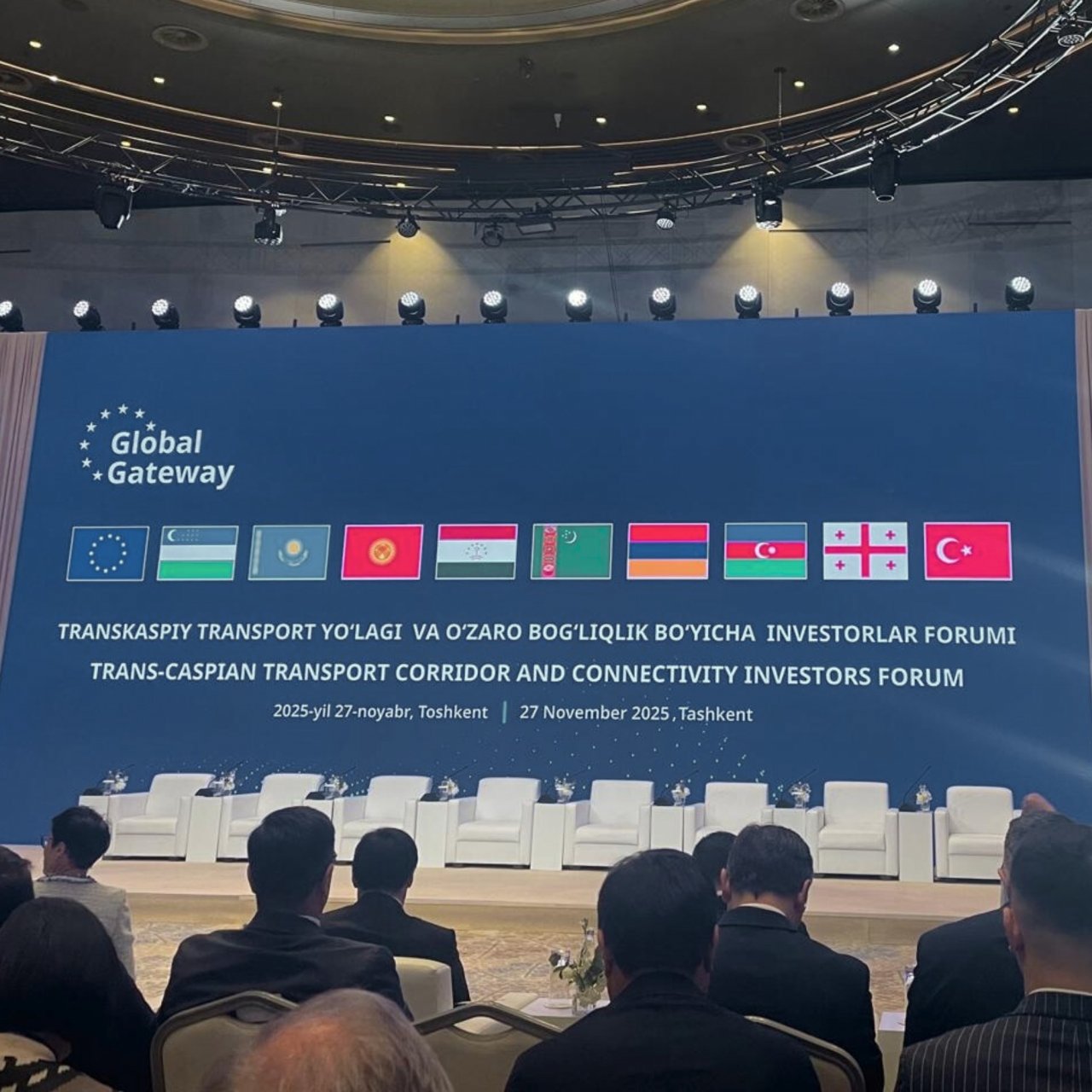
On 27 November, the Vice-Minister participated in the Trans-Caspian Transport Corridor (TCTC) and Connectivity Investors Forum in Tashkent. Valys spoke at the forum meeting of transport ministers from the EU, Central Asia, the South Caucasus, and the Black Sea region, stressing support for the Trans-Caspian Corridor, which was to become an important Eurasian trade artery, and expressed Lithuania's readiness to cooperate with partners to fully tap its potential. In addition, the Vice-Minister informed his counterparts about the ongoing Belarusian hybrid attacks against Lithuania with smuggler balloons and the seizure of Lithuanian trucks, which also affected carriers from Central Asia crossing the Lithuanian-Belarusian border.
During his visit, the Vice-Minister discussed political, consular and economic cooperation with Aloyev Bakhromjon, First Deputy Minister of Foreign Affairs of Uzbekistan.
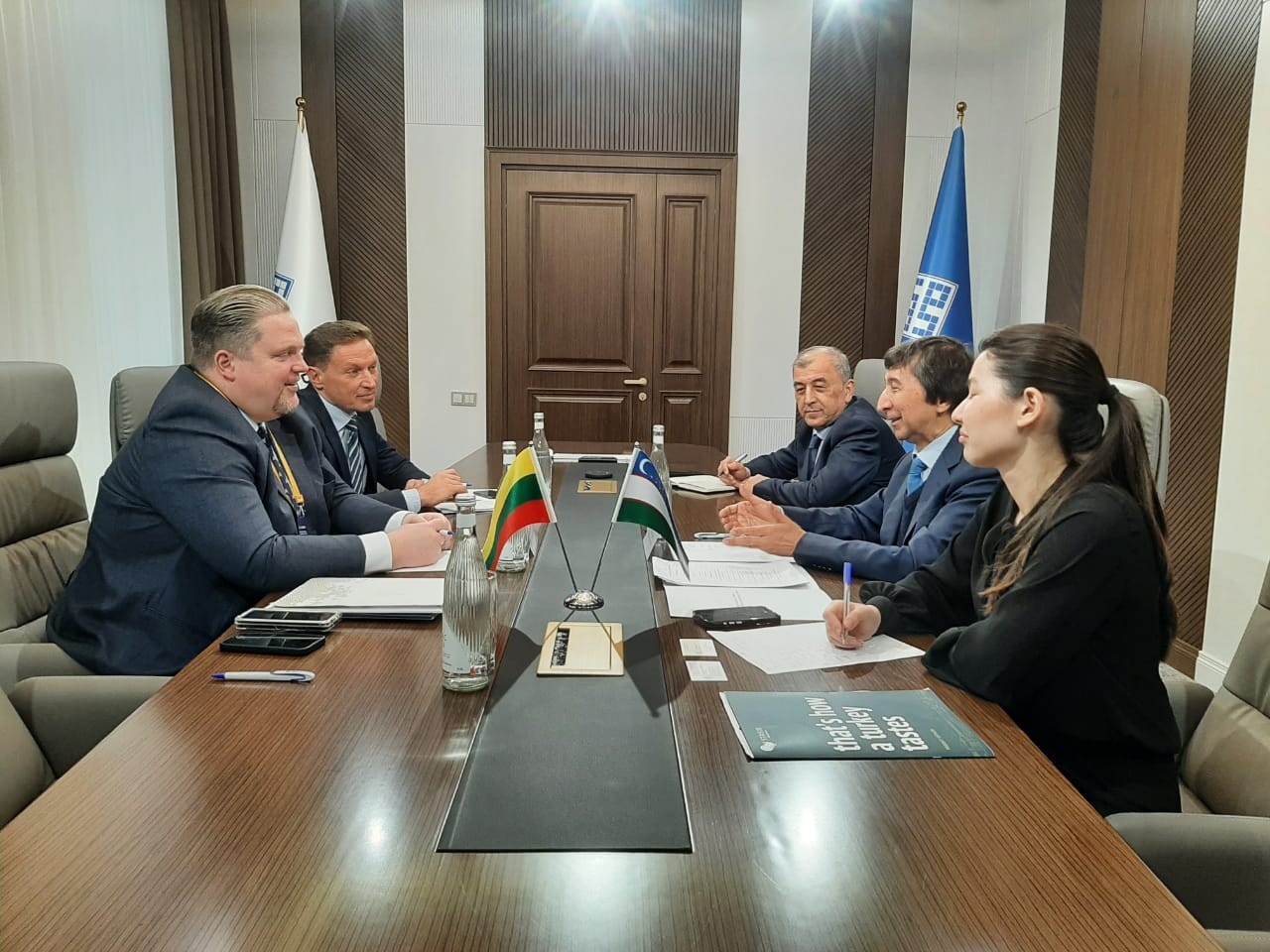
The meeting with the Deputy Minister of Investments, Industry, and Trade of the Republic of Uzbekistan, Akram Aliyev, discussed bilateral economic relations, with a focus on trade, transport, and logistics.
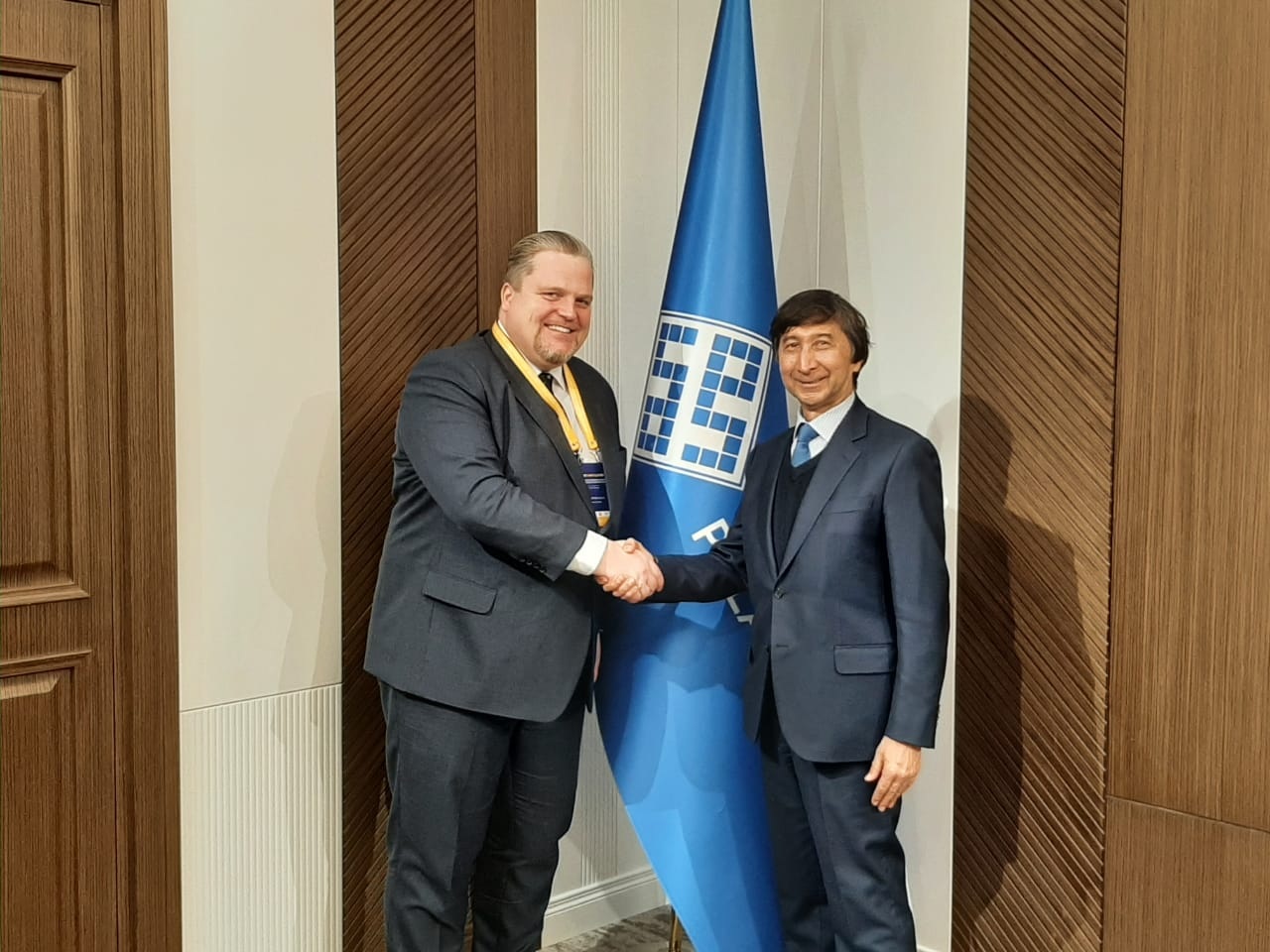
With Alisher Shaikhov, Advisor to the Chairman of the Uzbek Chamber, Valys discussed prospects for the development of bilateral business missions, involving not only representatives of the transport sector, but also representatives of other economic sectors. The Vice-Minister invited Uzbek businesses to consider possibilities to increase the volume of transportation and delivery of Uzbek products to the European and Scandinavian markets through the Port of Klaipėda.
The above-mentioned fora serve as the main platform for cooperation between the EU and Central Asia in line with the Global Gateway initiative, focusing on strengthening the economic partnership in the region.
Social media


