


Vice-Minister Pranevičius: We are building supply chain resilience not only domestically, but also through partnerships
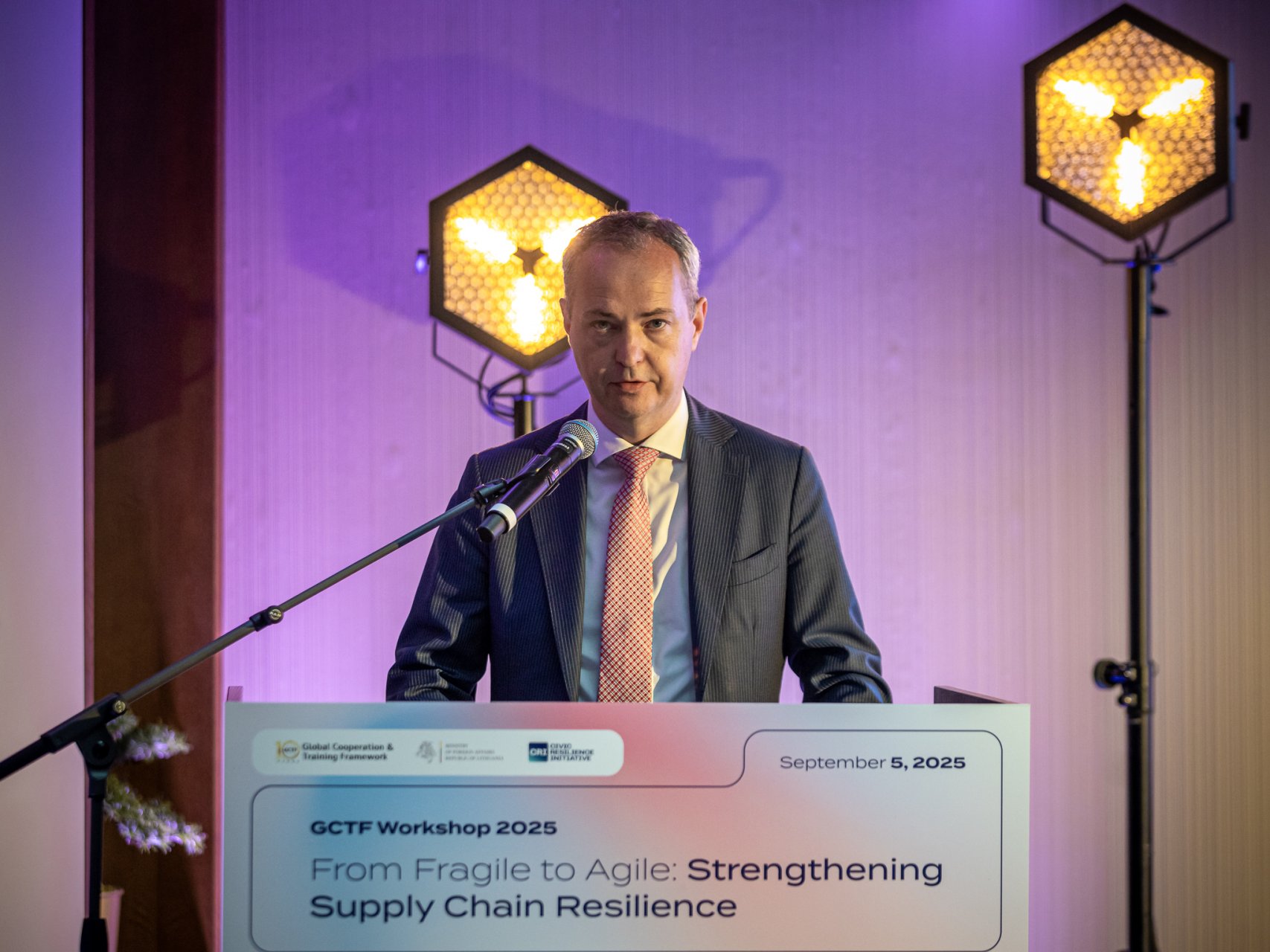
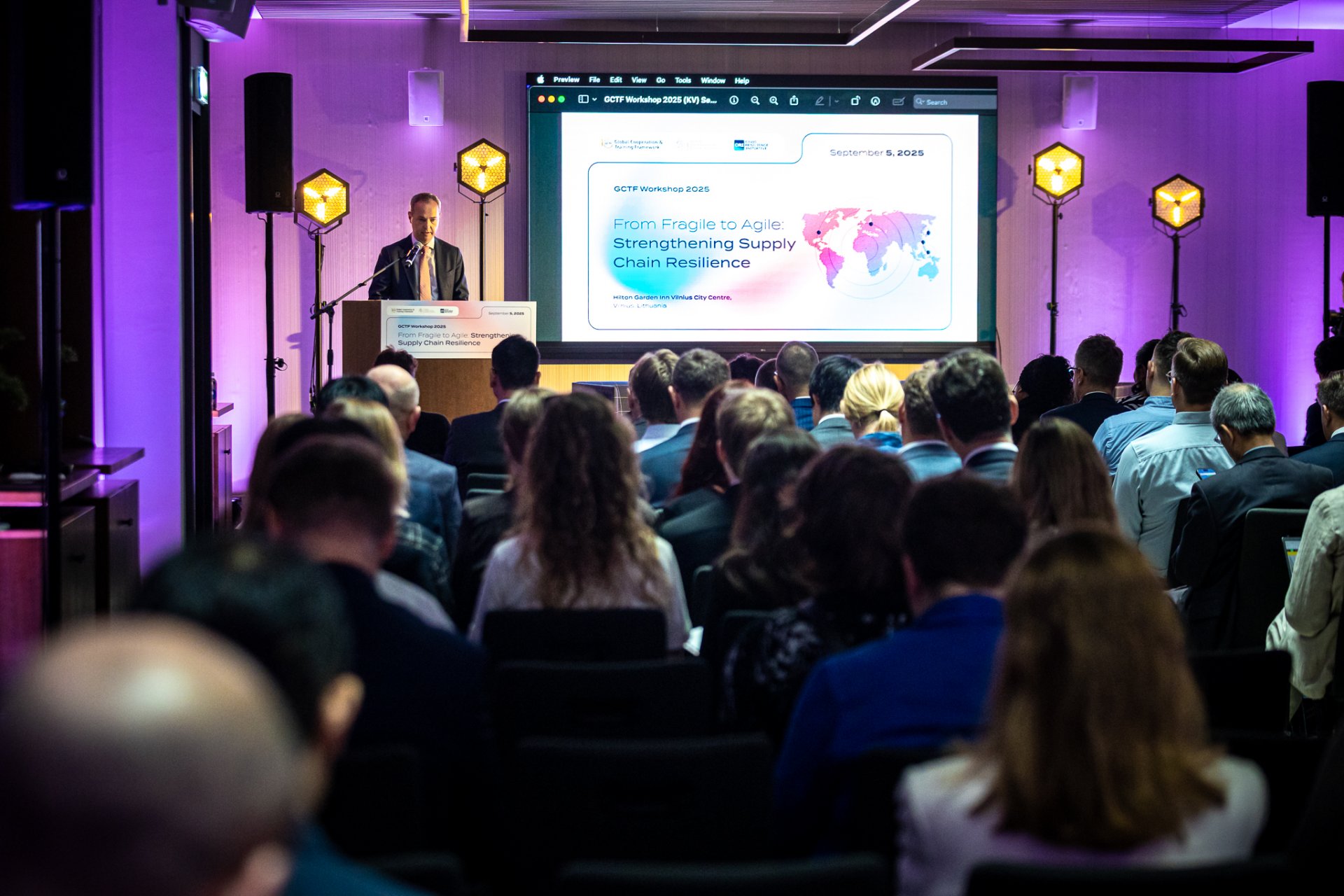
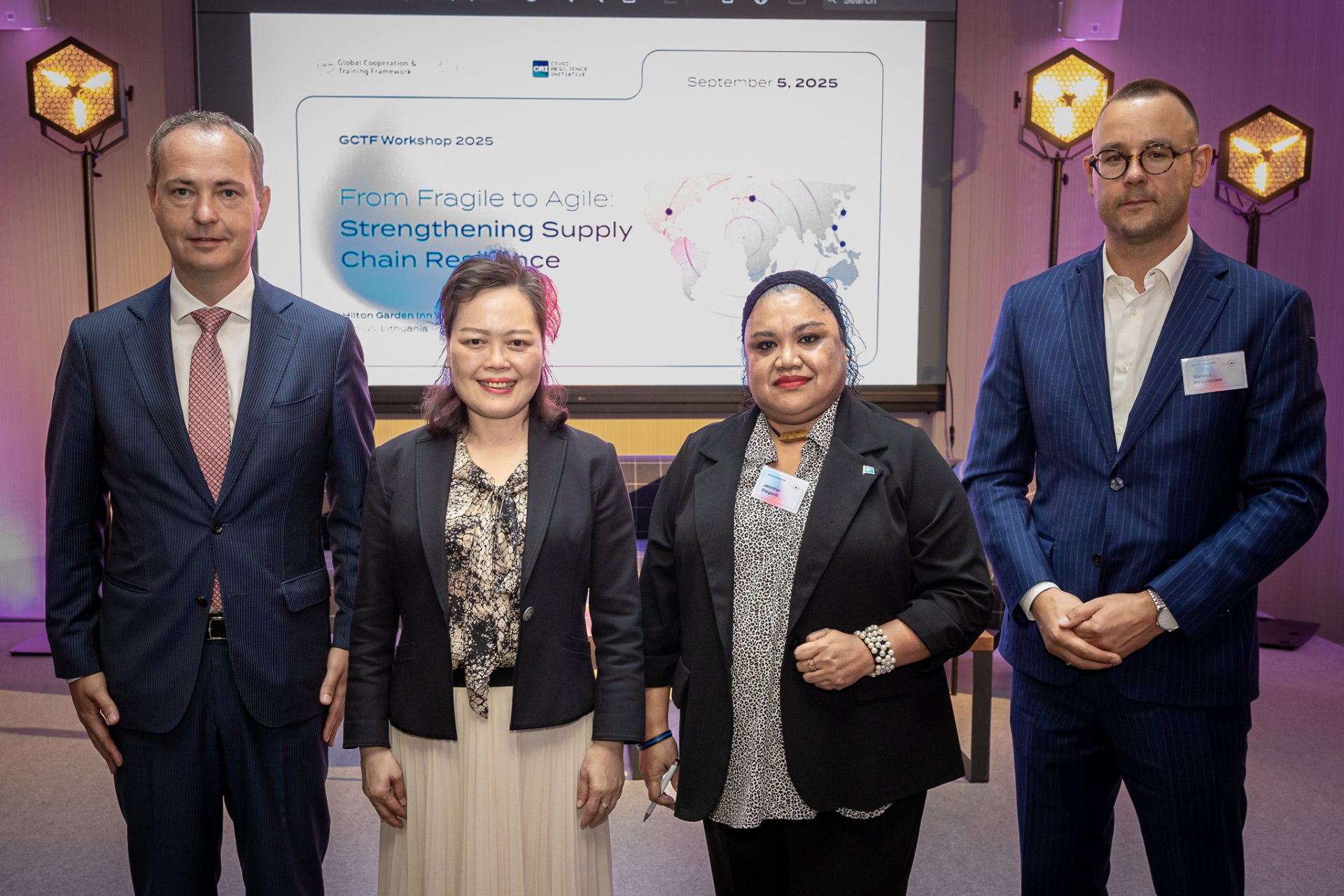
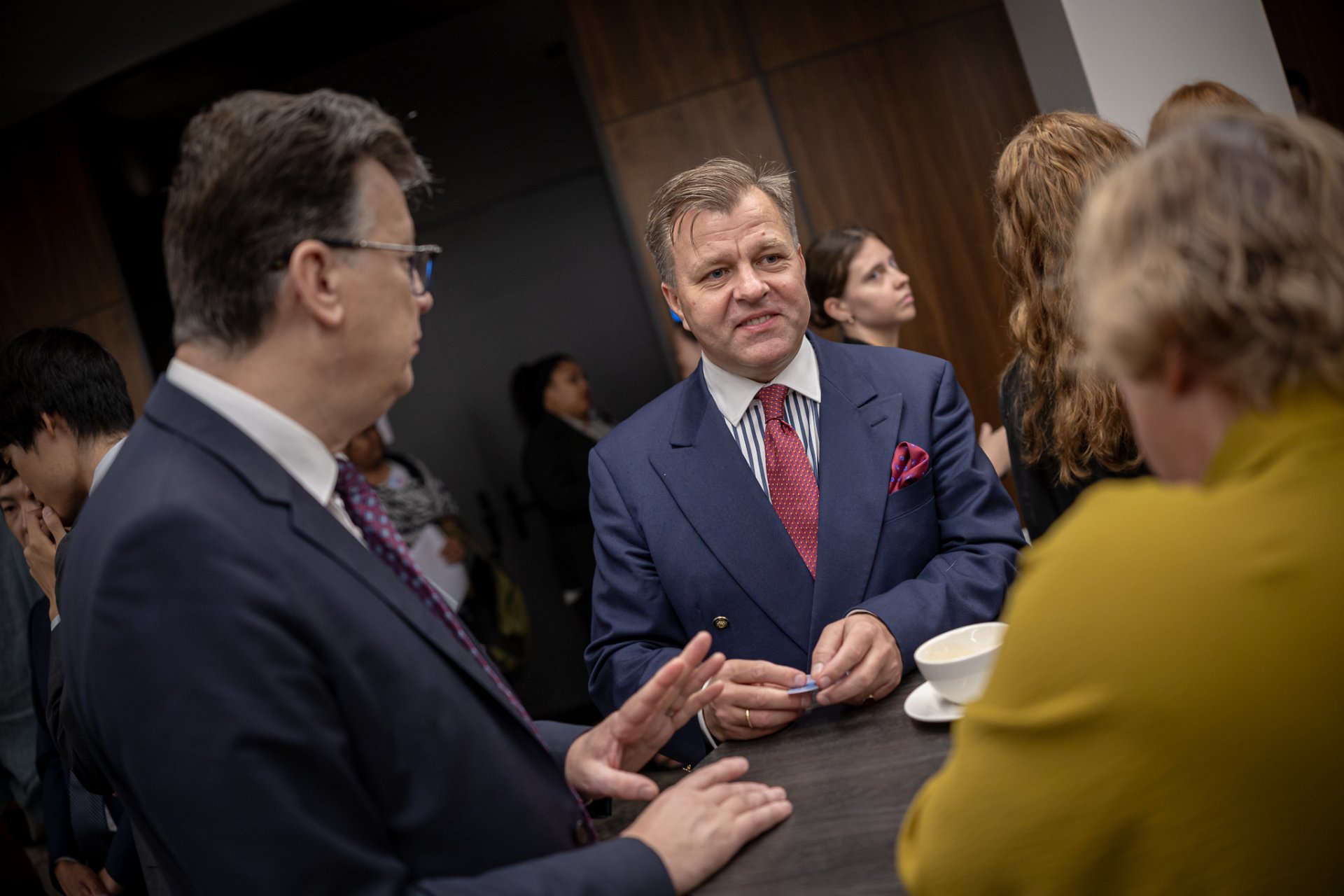
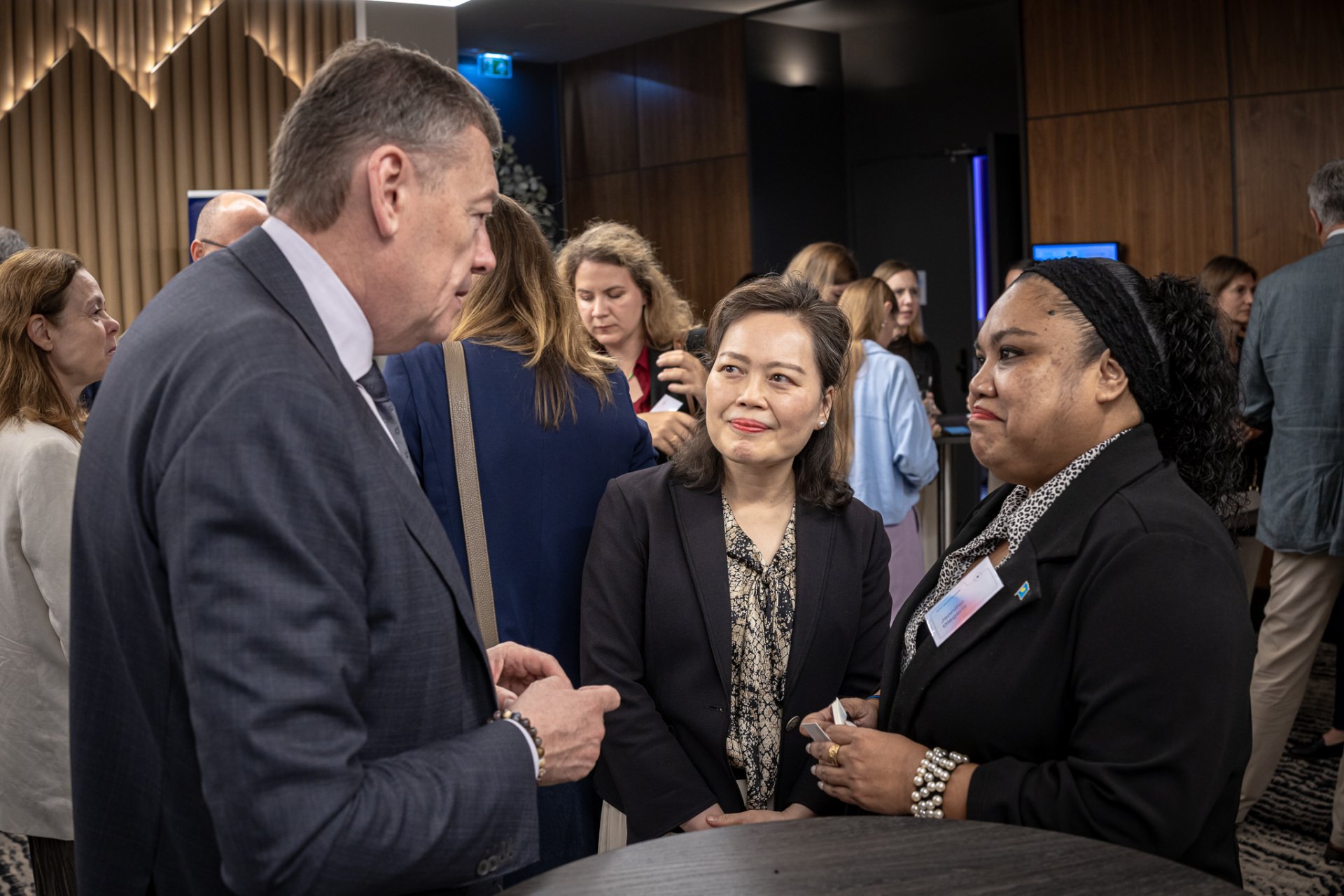
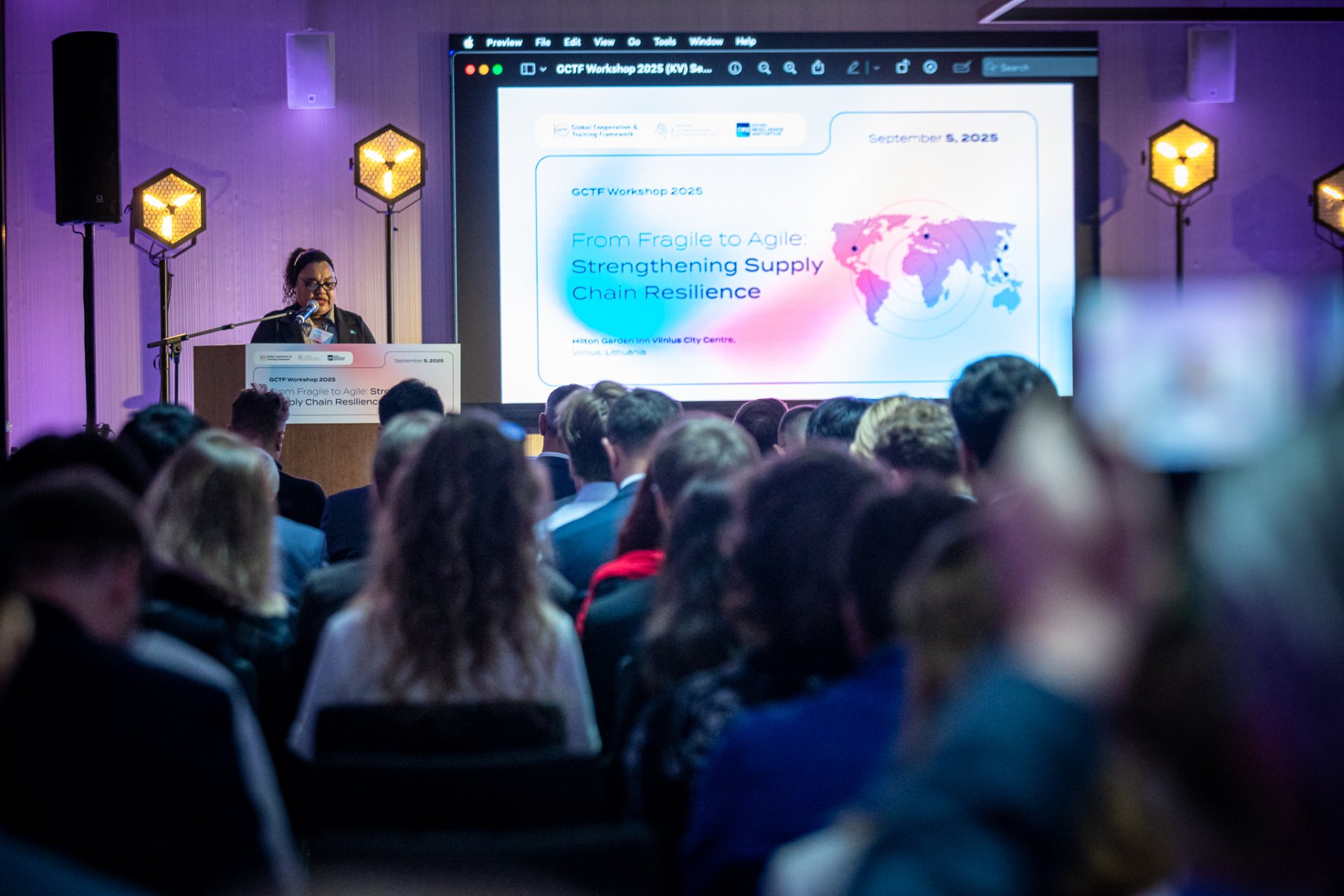
On 5 September, in Vilnius, building on the success of last year’s event, the Ministry of Foreign Affairs of Lithuania, the Taiwanese Representative office in Lithuania, the Embassy of the United States of America in Lithuania, and the non-governmental organisation The Civic Resilience Initiative organised a workshop to discuss strengthening the resilience of the supply chain.
Lithuania's Foreign Vice-Minister Julius Pranevičius gave a keynote speech at the event.
Since the restoration of independence in 1990, Lithuania has been subject to various forms of economic coercion, from the blockade in the early 1990s to dependence on Russia's energy resources and to China's economic coercion in recent years. According to the Foreign Vice-Minister, the country's response to these challenges was never just technical steps, but also strategic decisions that shaped Lithuania's resilience.
"This experience has become our national competence," said Pranevičius. – I think this is a contribution that our partners in the EU, the US, and the Indo-Pacific value, as we all work together to shape a new architecture for collective resilience. One of the main lessons for us is this: supply chain resilience is built not only domestically, but also through partnerships.”
As part of an international initiative – the Global Cooperation and Training Framework – the workshop brought together prominent speakers from the government, academia, and industry, including representatives from the United States, Taiwan, Japan, Lithuania, and the Republic of Palau.
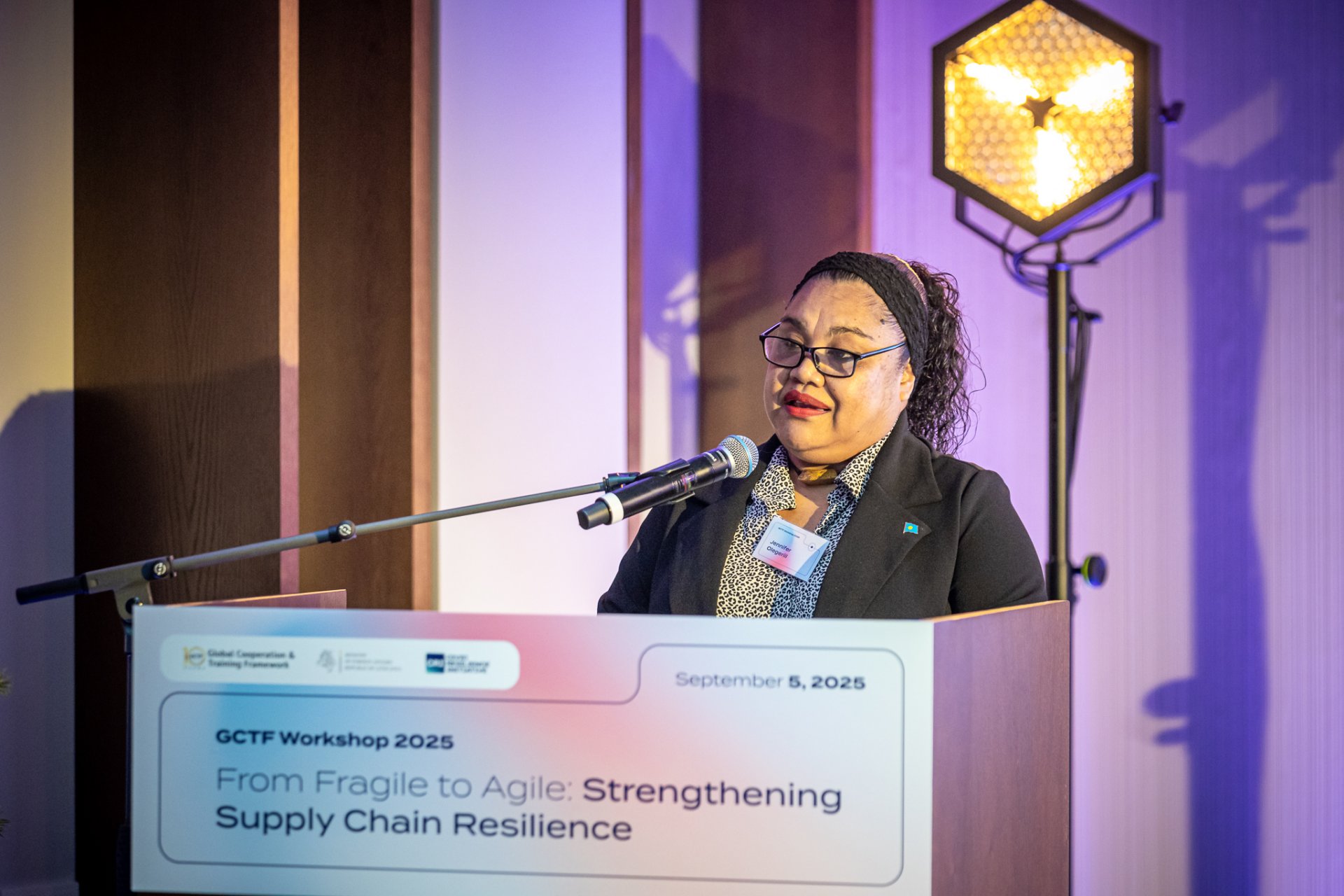
One of the keynote speeches at the workshop was delivered by the Minister of Justice of Palau, Jennifer Olegeriil, who shared her country's experience in dealing with economic coercion. This was the first visit of the Minister of Palau to Lithuania.
Discussions covered the urgent need to strengthen economic resilience in times of geopolitical tensions, addressing topics such as rethinking supply chains in a fragmented world, using innovation to make supply chains more flexible, and mobilising public-private partnerships to build systemic resilience.
The Global Cooperation and Training Programme (GCTF), which became the main platform for international capacity building, was established in 2015 by Taiwan and the United States, followed by Japan, Australia, Canada, and other partners. As of 2021, the framework expanded into a multilateral platform. This workshop is the second GCTF event in Lithuania.
Photos: M. Mikulėnas
Social media


