


Vice-Minister Mitkus: adequate funding must be secured to strengthen European security
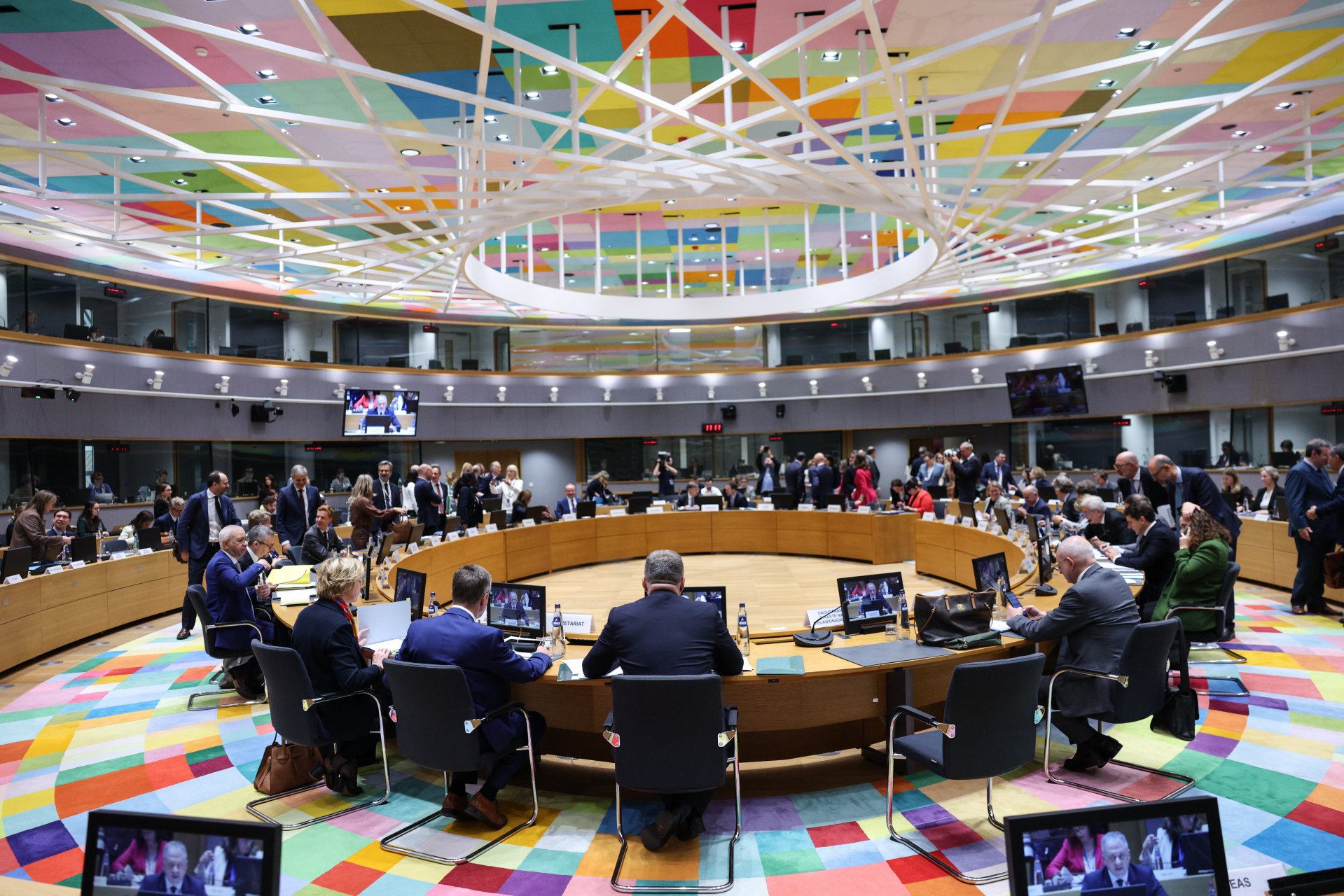
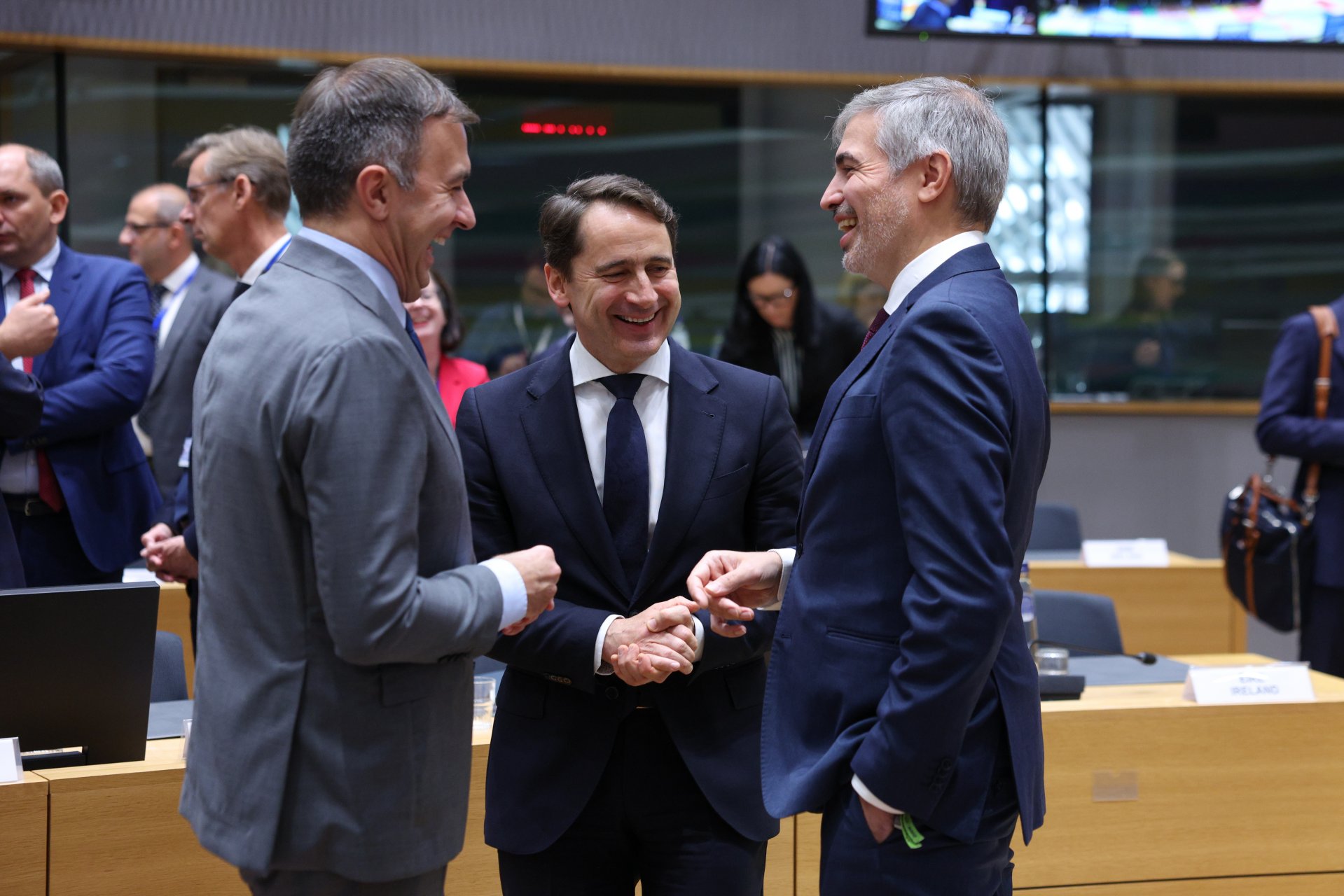
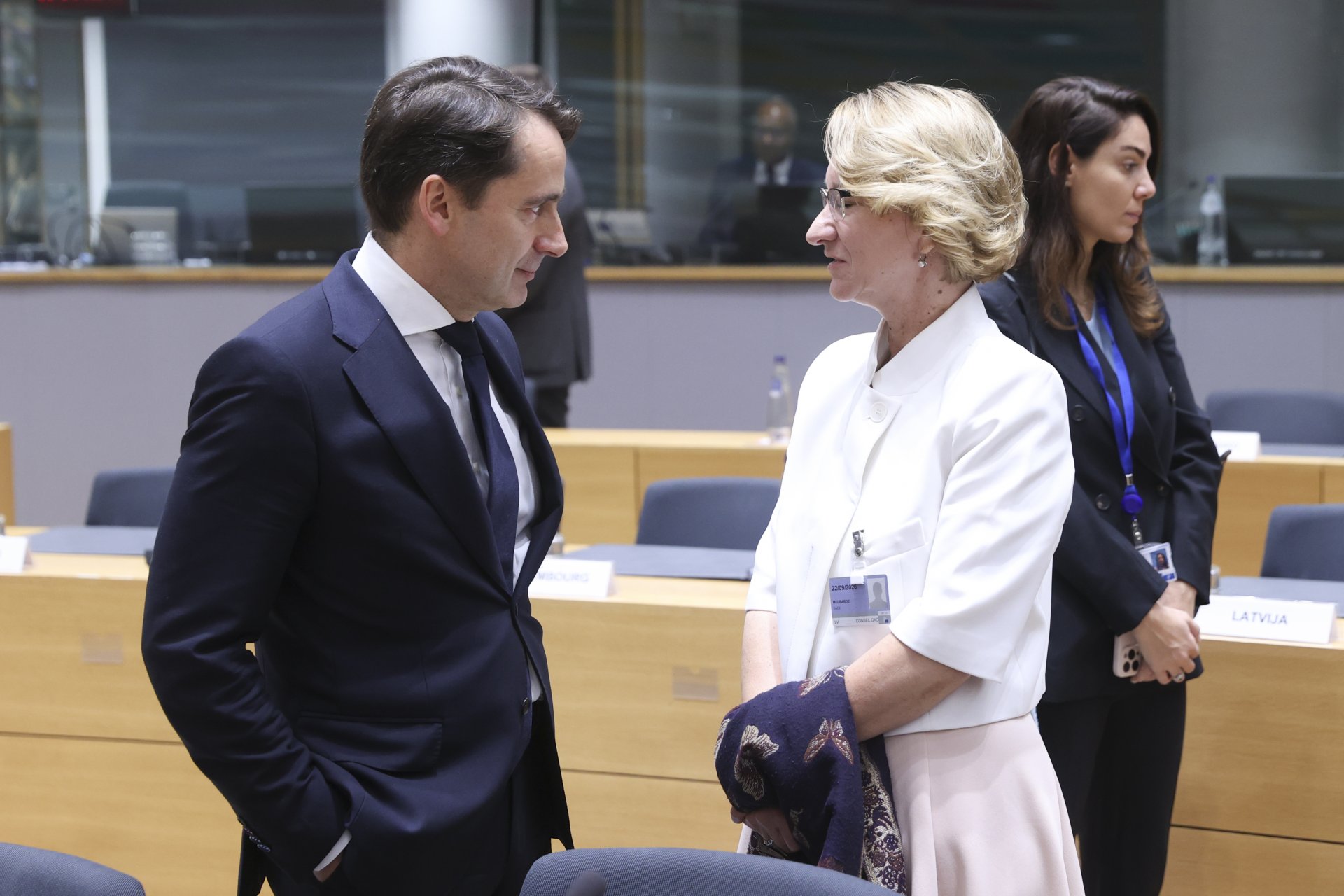
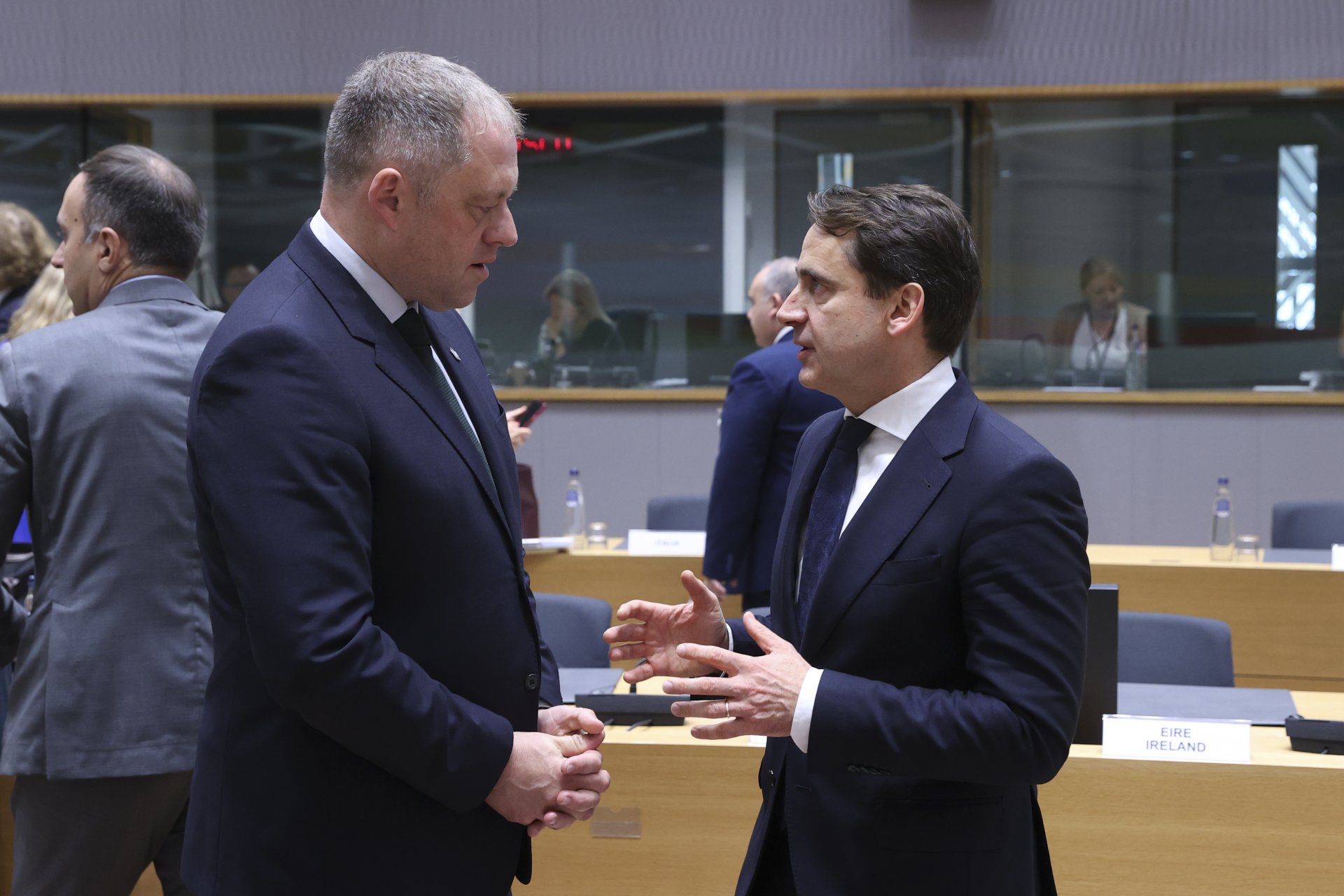
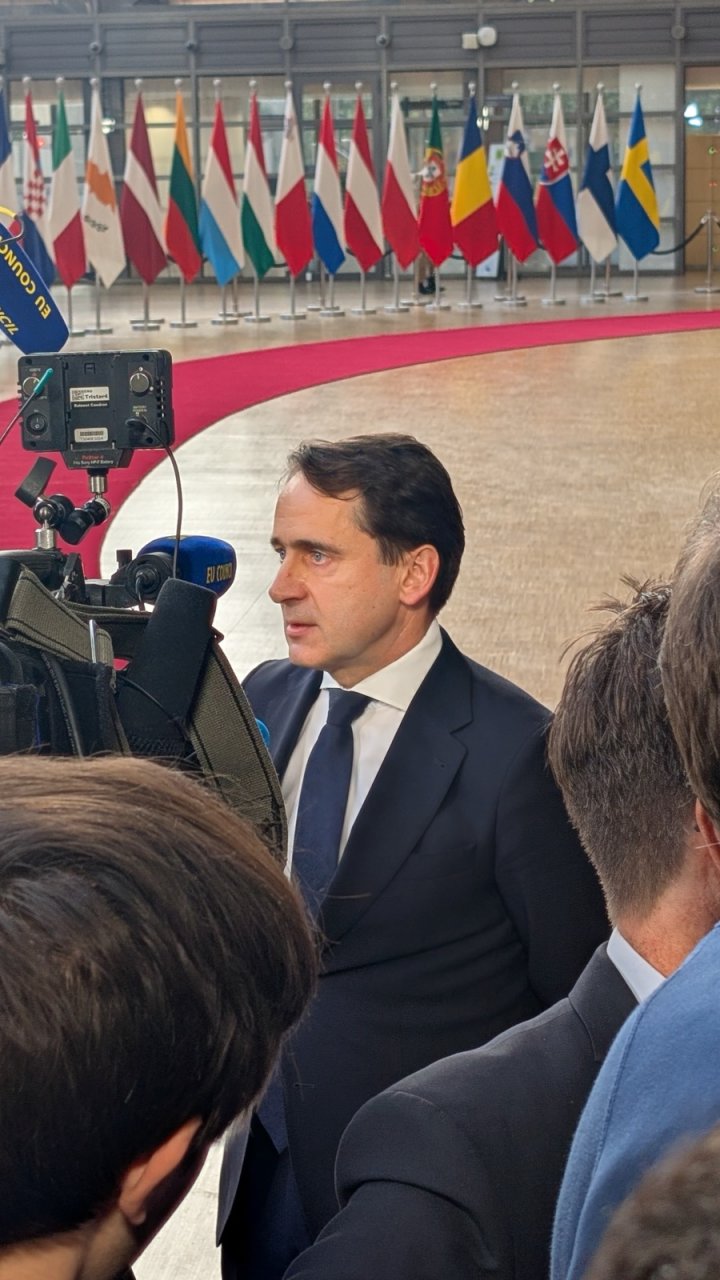
On 22 September, the Vice-Minister of Foreign Affairs Sigitas Mitkus attended a meeting of the General Affairs Council (GAC) in Brussels, which focused on the next Multiannual Financial Framework (MFF) 2028-2034 and started preparations for the European Council to be held on 15-16 October, as well as discussed the EU's legislative programming for 2027. The EU's simplification agenda, the rule of law situation in the EU and candidate countries were also discussed.
In the discussion on the future MFF, Lithuania expressed support for the efforts of the Irish Presidency of the Council of the EU to continue steering intensive and constructive negotiations to reach a compromise acceptable to all member states by the end of 2026. "The next multiannual EU budget must be sufficiently ambitious and balanced, allowing for the financing of new Union priorities such as security and defence, competitiveness and support for Ukraine, while maintaining a strong Cohesion Policy and Common Agricultural Policy. Adequate attention and funding for the EU's eastern border regions must also be ensured," said Vice-Minister Mitkus.
"European security also goes hand in hand with the implementation of strategic infrastructure projects, such as the Rail Baltica project, which is significant not only from an economic point of view, but also from a security and military mobility point of view. It is therefore important to ensure continuity in its implementation and sufficient EU funding", stressed the Vice-Minister.
With a view to the European Council meeting on 15-16 October, ministers discussed topics for the upcoming meeting, including Ukraine, the Middle East, the EU's MFF, competitiveness, European defence and security, migration and EU enlargement. "Security, competitiveness and resilience are closely linked to the European agenda. We need to maintain our focus on Ukraine, strengthen European defence and at the same time remove the obstacles that limit our economic growth and investment. This must be reflected both in political decisions and in the future EU budget," said the Vice-Minister.
The Council meeting also launched discussions on the EU’s legislative programming for 2027, based on the European Commission’s letter of intent. Lithuania stressed that the future legislative agenda should focus on the EU's security and defence, the EU's enlargement, competitiveness, internal security and preparedness, and social security and resilience.
"2027 will be a special year for Lithuania, as the Presidency of the Council of the EU will have to help deliver on the Union's common priorities. It is therefore already important to have a clear and result-oriented legislative agenda, which is also closely linked to the decisions of the next MFF", said Mitkus.
When discussing the EU's simplification agenda, the Vice-Minister stressed that simplification must not be just a legislative process, but a real change for European business. Reduced administrative burdens must help businesses invest, grow and innovate faster, while maintaining single market standards.
The Council meeting also featured the annual horizontal discussion on general developments related to the rule of law issues. Ministers also exchanged views on the general trend of the rule of law in the candidate countries, namely Albania, Montenegro, North Macedonia and Serbia.
Lithuania stressed that the implementation of the rule of law and the necessary reforms are an essential condition for progress in the EU accession negotiation process.
Social media


