


Vice-Minister L. Rukštelienė: A strong and united Europe, with Ukraine fully integrated into it, is the foundation of European security
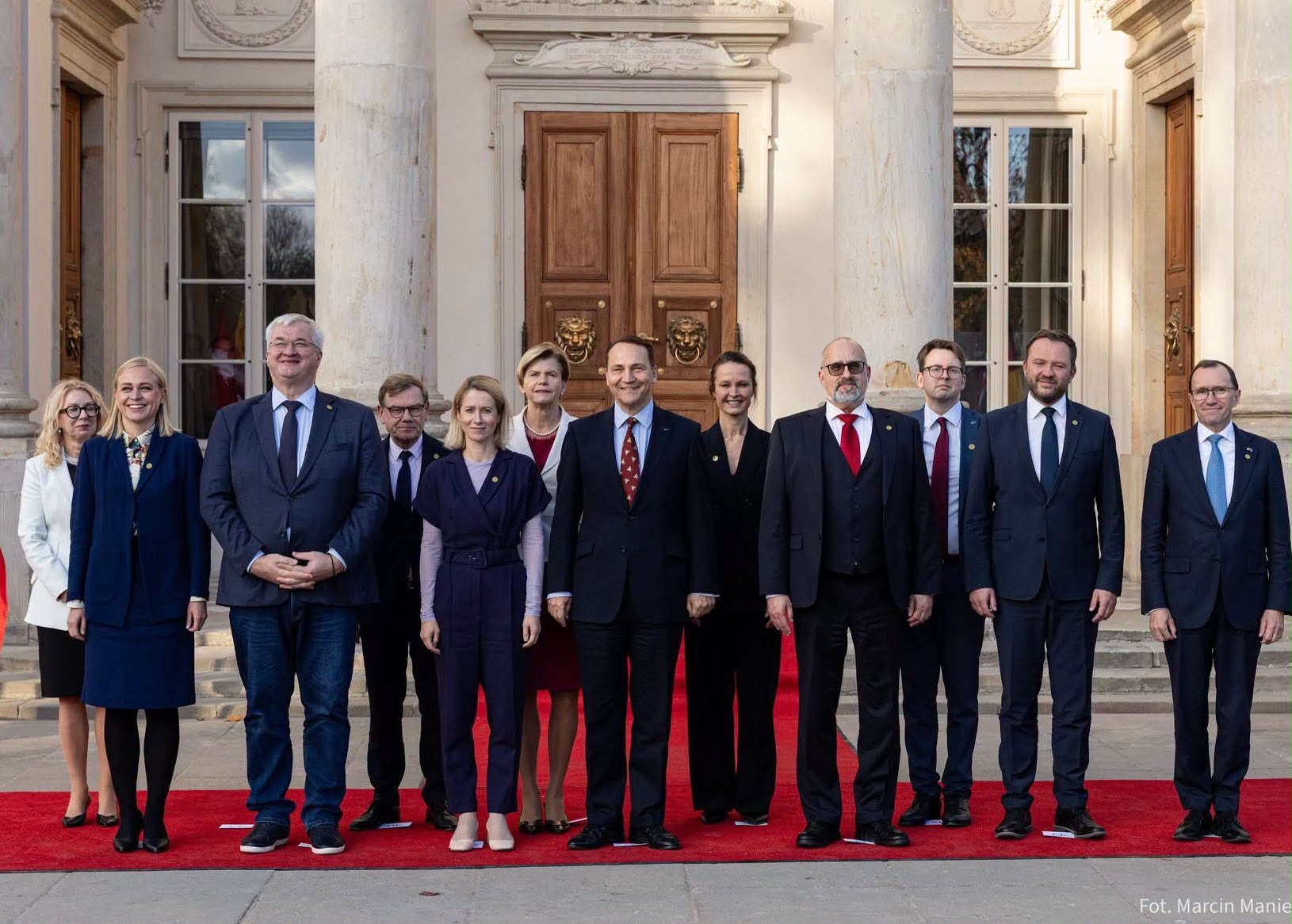
On 6 November, an informal meeting of the Foreign Ministers of the Council of the Baltic Sea States (CBSS) and Ukraine took place in Warsaw. Lithuania was represented by Vice-Minister of Foreign Affairs Lina Rukštelienė.
The meeting focused on international efforts to end Russia’s aggression against Ukraine and achieve a just and lasting peace, as well as other issues related to European security.
Rukštelienė noted that Russia has been, remains and will continue to be the main threat to European security.
“The only way to contain this threat and ensure the long-term security of our continent is through a strong and united Europe, with Ukraine fully integrated into it as soon as possible,” she stressed.
According to the Vice-Minister, both Ukraine and European countries must be fully involved in negotiations aimed at ending Russia’s aggression against Ukraine.
Rukštelienė pointed out that, despite certain demonstrative actions by Russia, it has recently further intensified its attacks on Ukrainian cities and civilians, indiscriminately destroying Ukraine’s energy and other critical infrastructure and committing new war crimes every day. Against this background, it was concluded that a comprehensive ceasefire is a prerequisite for any negotiations.
Rukštelienė reaffirmed that Lithuania would continue to provide comprehensive support to Ukraine, including the necessary political, military and humanitarian assistance, while supporting European solutions to ensure Ukraine’s long-term financing.
“Ukraine will be one of the key priorities of Lithuania’s Presidency of the Council of the EU, and taking very concrete steps towards Ukraine’s EU membership will be one of our most important tasks,” the Vice-Minister stressed.
During the discussion on European security, Vice-Minister Rukštelienė noted that the main focus should not be on whether anything is missing from the existing security order, or whether and how it should be improved, but rather on how to ensure that Russia complies with it.
“The fundamental principles of European security were agreed upon and enshrined in the 1975 Helsinki Final Act and the 1990 Charter of Paris. They are comprehensive. The challenges facing European security today arise from Russia’s failure to abide by what has already been agreed and its deliberate violations of those principles,” Rukštelienė said.
Social media


