


Ukrainian testimonies at the meeting of the Committee of Ministers of the Council of Europe: 300 people held captive in a school basement for four weeks
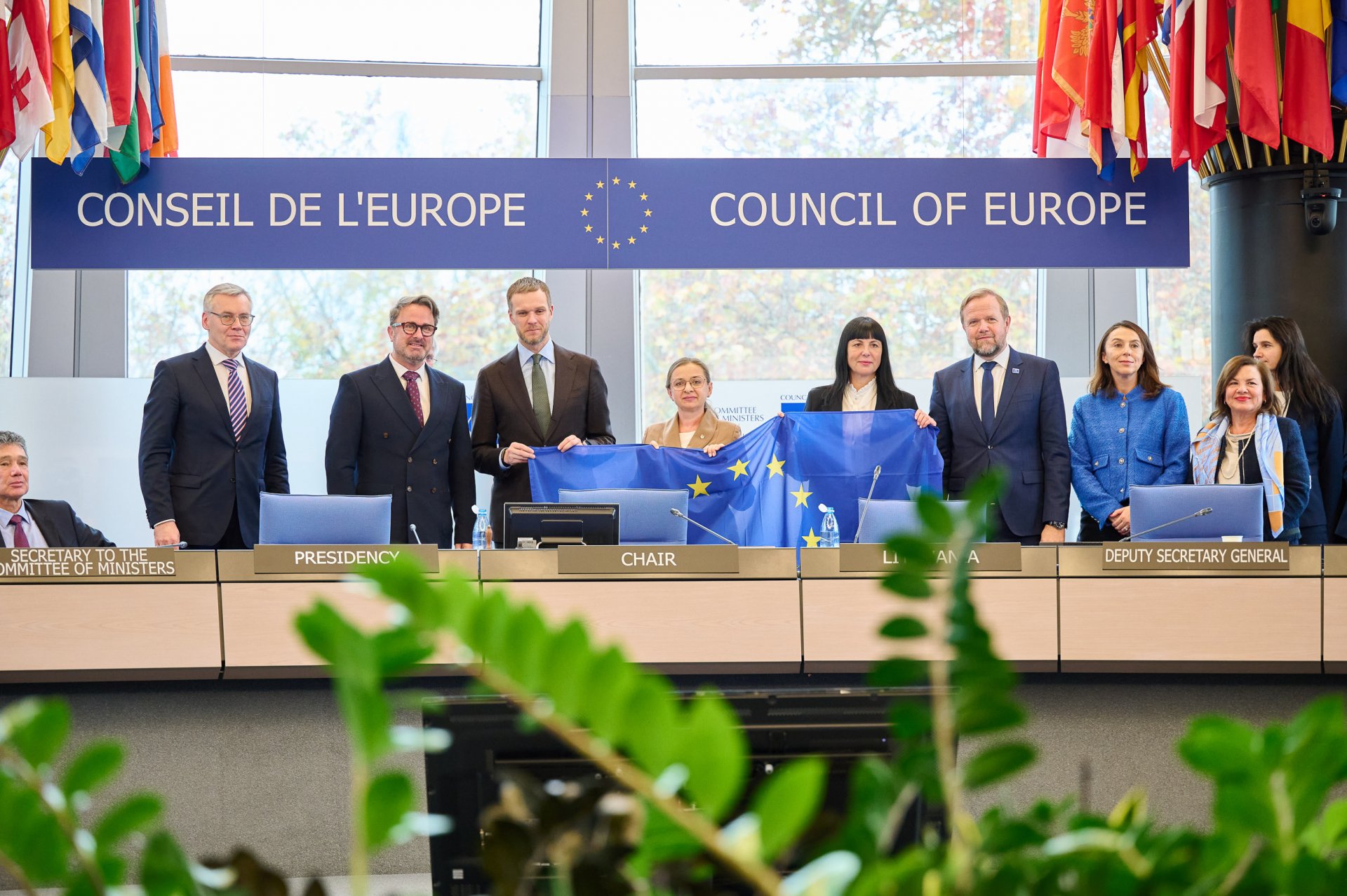
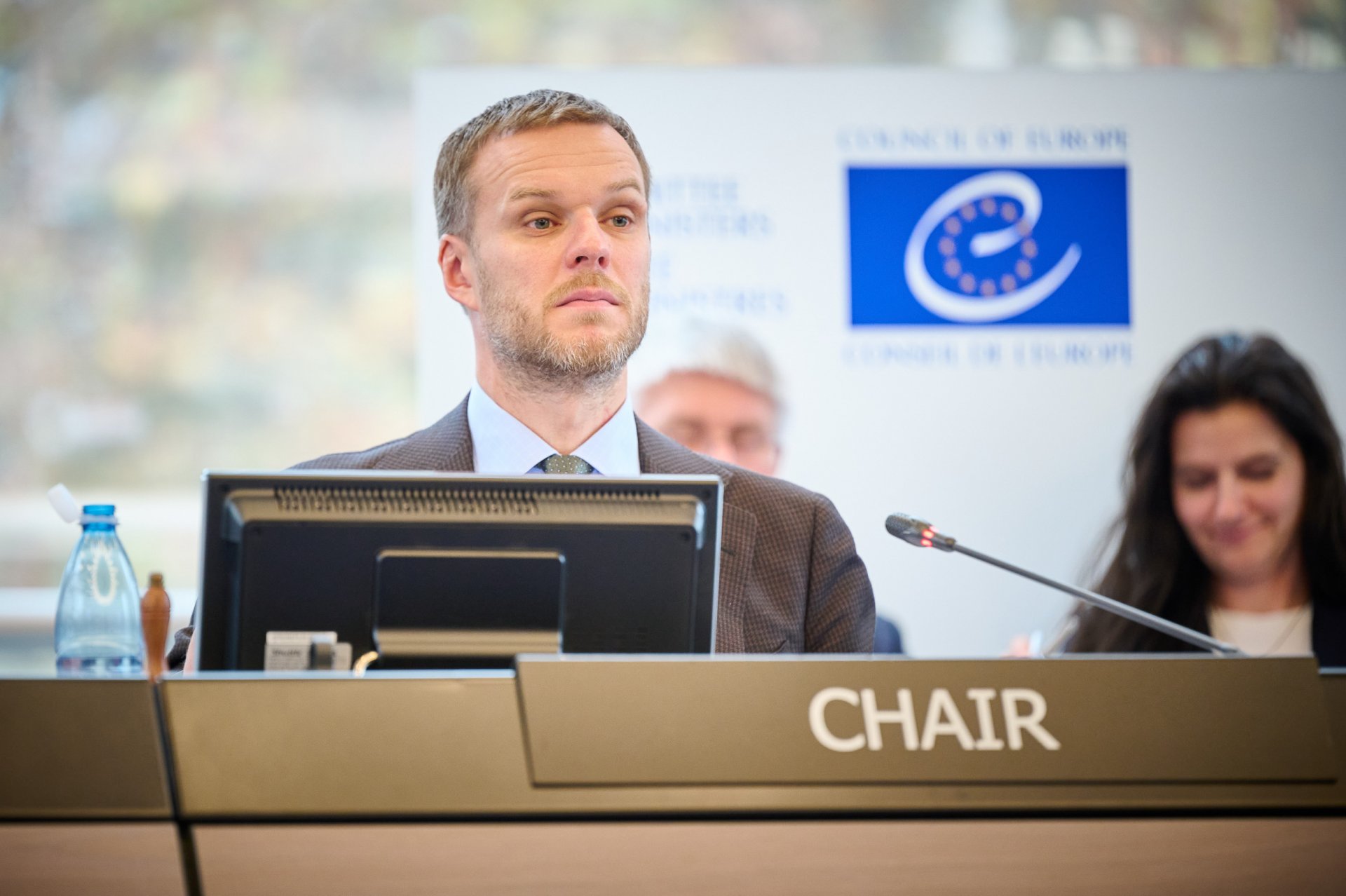
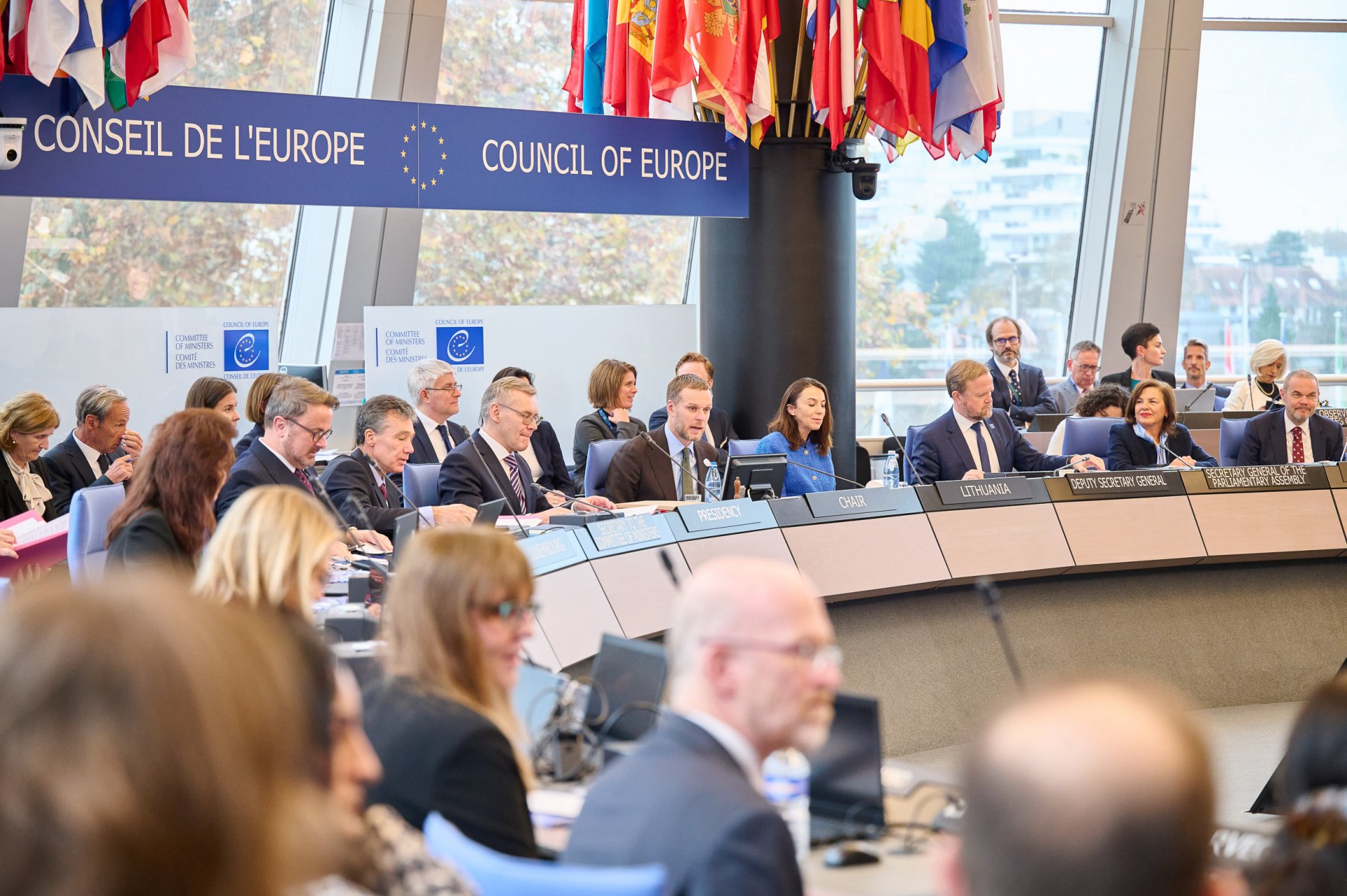
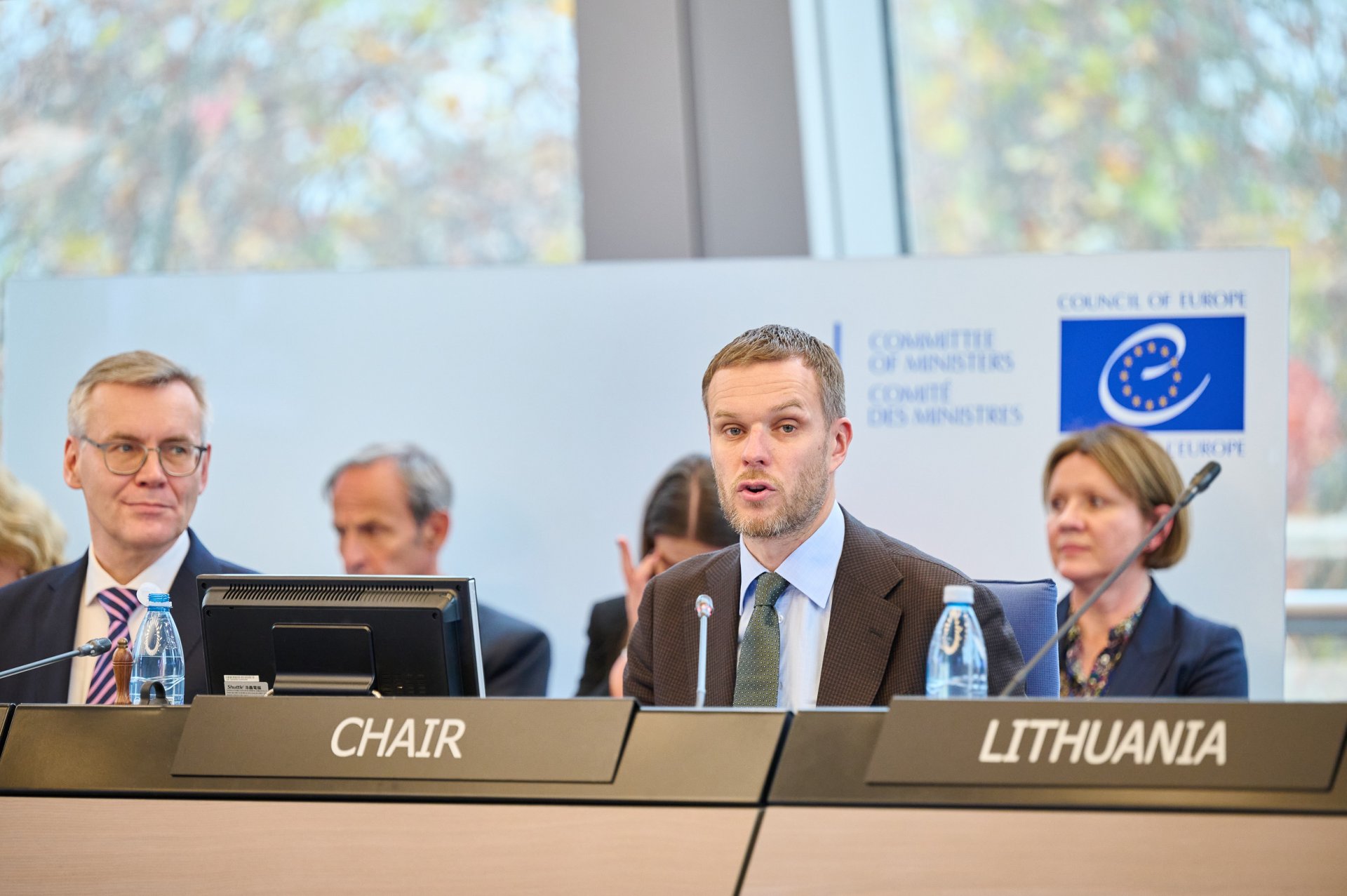
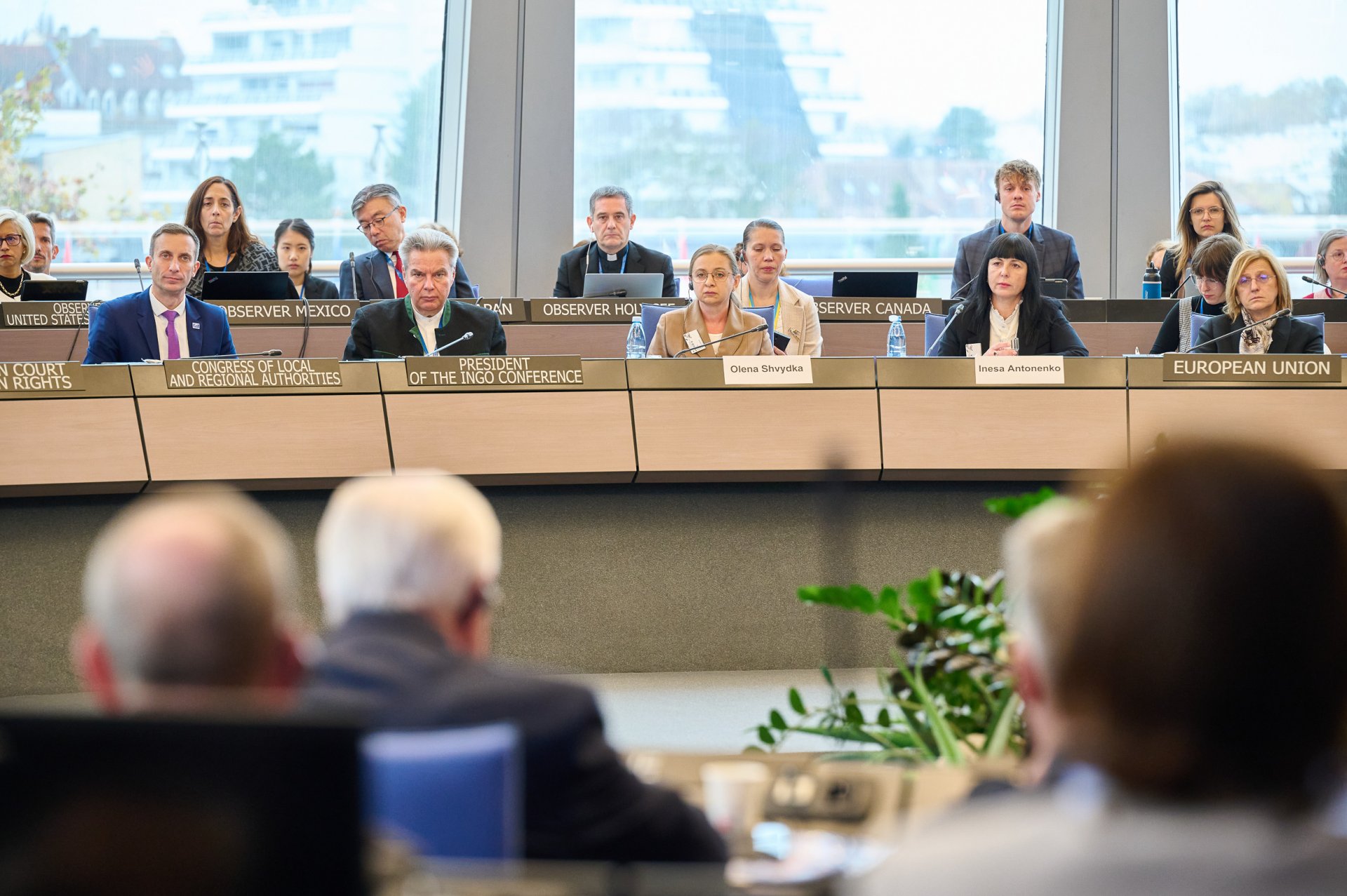
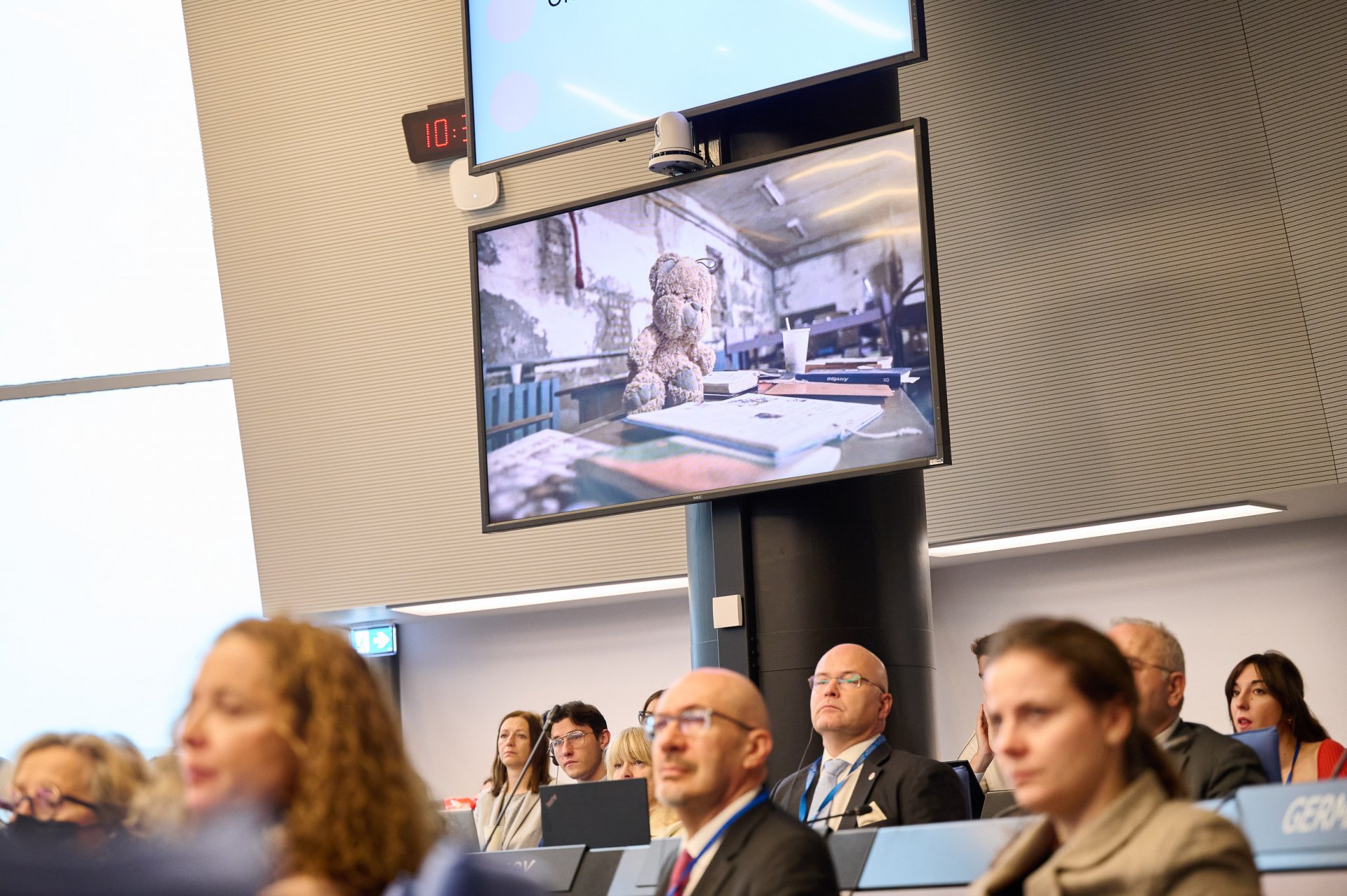
On 13 November, the Minister of Foreign Affairs of Lithuania, Gabrielius Landsbergis, attended a meeting of the Committee of Ministers of the Council of Europe (CoE), where he presented the main achievements of the Lithuanian Presidency and handed over the Presidency to Luxembourg. At the invitation of Lithuania, Olena Shvydka, chair of the Rural Community of the village of Ivanivka of Chernihiv Region and Inesa Antonenko, Head of Children’s Service, shared their experiences and told about the crimes committed by Russia in the region.
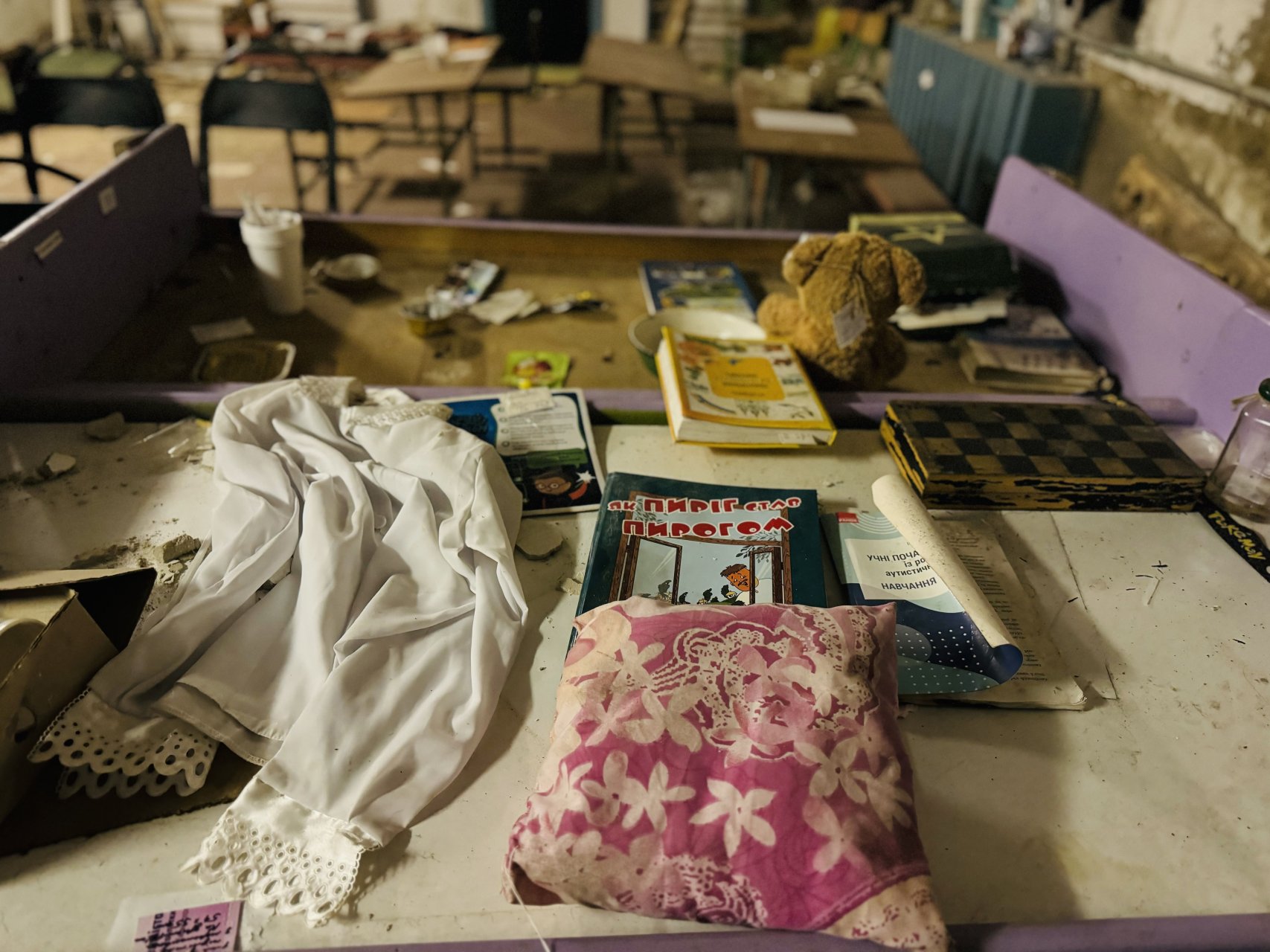
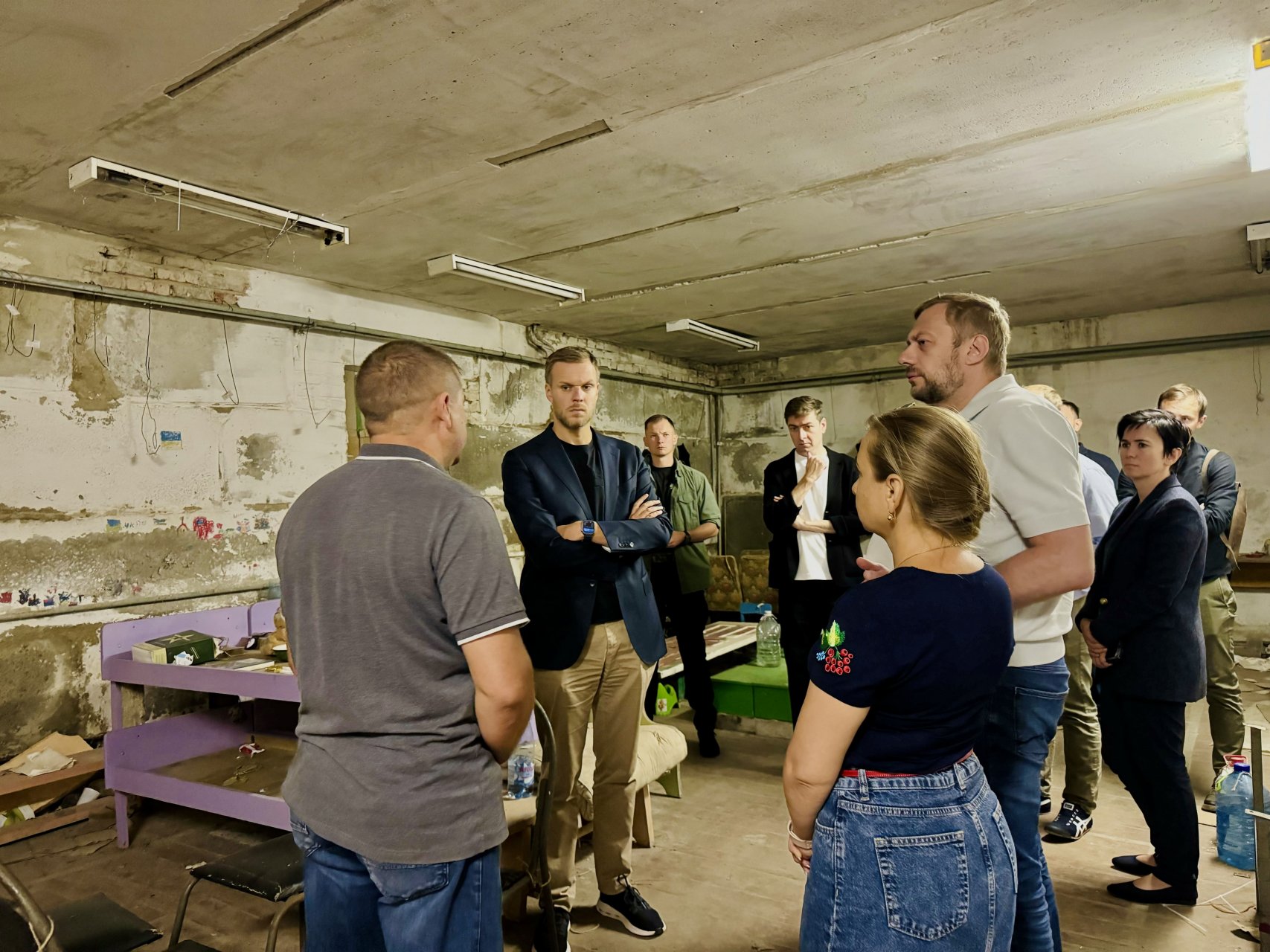
Olena Shvydka was among the hostages who were held for four weeks in the basement of the local school in Yahidne, just outside the city of Chernihiv in northern Ukraine.
According to the survivors, some of the prisoners did not survive the brutal behaviour of Russian forces. More than 300 people were forced into dark, stifling premises by Russian soldiers occupying the town, where they were locked up without medicine, food or fresh air.
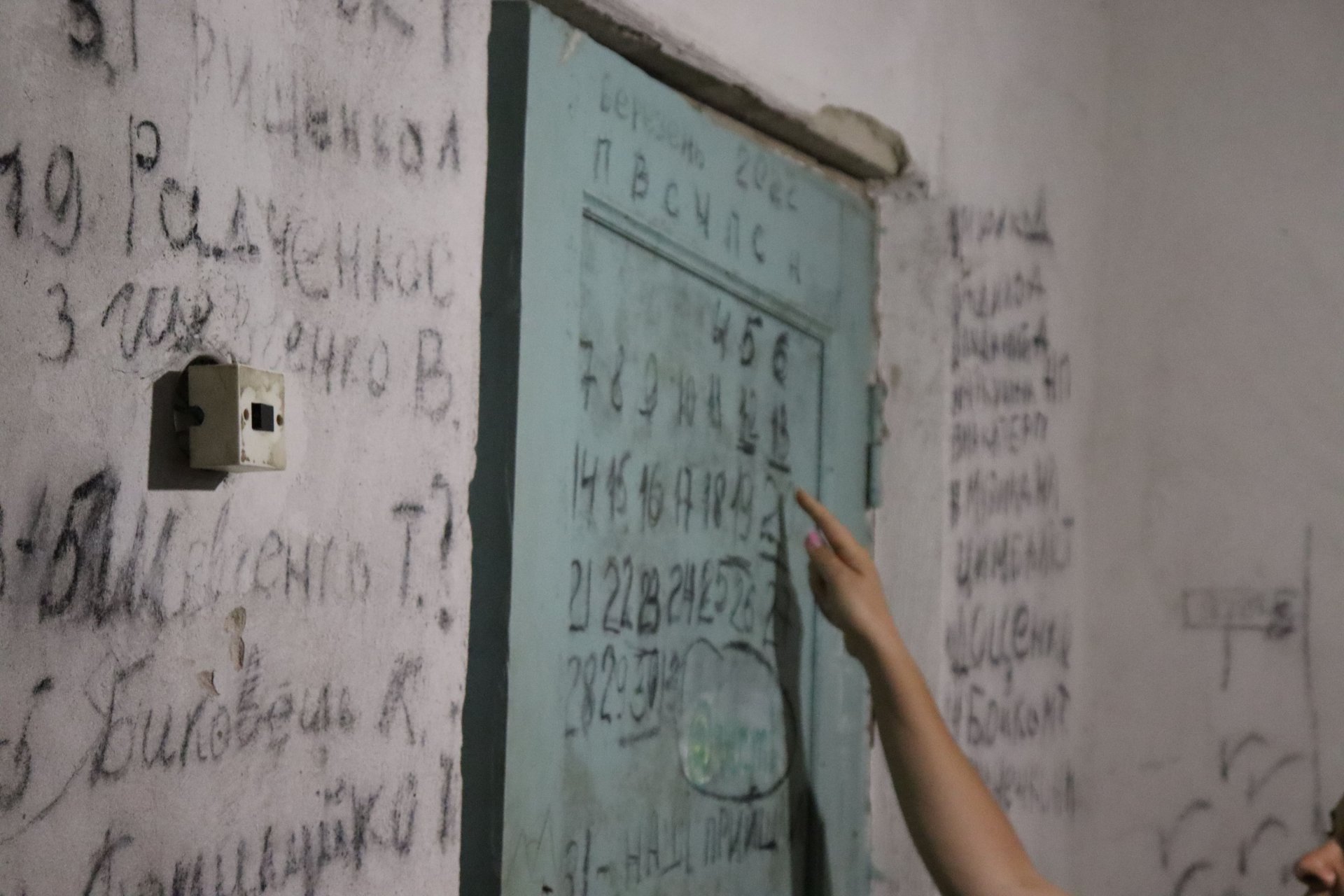
During nearly a month in the basement, before Russian forces were expelled from Yahidne, ten prisoners died. The remaining ones recorded the deaths by writing the names of the deceased and the date of their death on the basement wall. Among the hostages was a six-week-old baby, dozens of other children and several older people, the oldest of whom was 93 years old.
One of the few photos taken on a cell phone saved by one of the hostages showed dozens of people crowded in a cramped room.
There was no toilet in the crowded basement. In the first week, prisoners were forced to use buckets, and soon conditions became unsanitary.
“Two and a half years have passed, and the stories told by the surviving witnesses are still horrifying today. To the question of what we must do to prevent this from ever happening again, my answer is only one: A clear strategy for Ukraine’s victory. The main objective of the Lithuanian Presidency is to support Ukraine and its people in defending themselves and the whole of Europe from Russia’s war of aggression and ensuring the accountability of the perpetrators. From the comfort of our offices or homes, it is difficult to truly comprehend what it feels like when your home or entire village has been destroyed, when the family or friends have been killed or fled, when your national identity is being negated, or the right to exist is being questioned,” Landsbergis highlighted in his speech, urging Europe to continue its tireless support for Ukraine.
The Foreign Minister presented the flag of the Council of Europe to the Ukrainians as a symbol of our shared values and principles that Ukraine defends with blood and a promise of unwavering support for Ukraine, whatever victory takes. At the same time, the members of the Committee received T-shirts to remind them of that promise.
At the meeting, Landsbergis reviewed the progress achieved during the Lithuanian Presidency – the establishment of an effective special tribunal on the crime of aggression and the accelerated activities of the Register of Damage for Ukraine, Lithuania’s efforts to attract new members to the Register and the steps towards the second stage of the compensation mechanism – the establishment of the Claims Commission.
The Lithuanian Presidency also paid particular attention to the situation of Ukrainian children – their well-being in Ukraine and asylum countries, and the safe return of children deported or illegally adopted in Russia.
When handing over the Presidency to Luxembourg, which took over the helm, the Foreign Minister expressed confidence that the work Lithuania had started to achieve Ukraine’s victory would continue.
Lithuania chaired the Committee of Ministers of the CoE from 17 May to 13 November 2024. It was the second Lithuanian Presidency since joining the CoE in 1993.
During the six months, 49 Presidency events took place, mainly in Vilnius and Strasbourg, as well as in New York, Helsinki and Chisinau.
Report on the implementation of the Lithuanian Presidency programme (EN).
Social media


