


THE EUROPEAN COMMISSION’S 2013 WORK PROGRAMME PROVIDES BASIS FOR LITHUANIA’S PRESIDENCY OF THE EU COUNCIL
The European Commission adopted its 2013 work programme on 23 October. Under this Programme, priority is given to economic growth and job creation. The Commission plans to bring forward about 50 legislative proposals until 2014 and stresses that until the end of the terms of office of the EC and the European Parliament a lot of attention will be dedicated to the legal proposals to implement the Multiannual Financial Framework of the European Union. Lithuania will have to lead the talks on many regulations, as the country will preside over the Council of the EU in the second half of 2013.
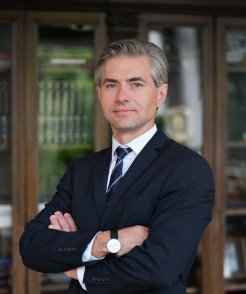
“The European Commission’s 2013 work programme is a key pillar of Lithuania’s forthcoming Presidency. The Council is to finalise its position on the basis of the Commission’s legislative proposals, which will constitute the basis of the national programme for Lithuania’s Presidency,” head of the Permanent Representation of Lithuania to the EU, Ambassador Raimundas Karoblis said.
Lithuania’s Presidency of the Council of the EU will seek to ensure continued growth and competitiveness of the EU economy. Employment, financial sustainability and energy security will be among the Presidency’s priorities.
These priorities are in line with the priority areas identified by the Commission in today’s legal proposals. The 2013 programme includes such issues as the Economic and Monetary Union, labour market reforms to foster job creation, increasing of competitiveness and the completion of the single market, telecommunications, energy and transport, as well as ecology, law enforcement and civil rights initiatives.
The work programme indicates that aiming at the implementation of a long-term vision based on political and economic union of member states, the EU should take timely steps to foster economic growth and strengthen confidence of citizens and investors. The Commission is to dedicate particular attention to proposals for the Multiannual Financial Framework 2014-2020. Agreement is expected to be reached by the end of 2012.
“Lithuania’s Presidency of the Council of the EU will seek to agree on the Commission’s legal proposals to implement the Multiannual Financial Framework of the European Union as soon as possible. It will depend on the results of the negotiations whether all the areas agreed by the EU Heads of State or Government will receive timely financing,” Ambassador Karoblis said.
The work programme also stresses that the Commission is seeking to develop relations with major world markets thus increasing the importance of the EU as a global player. In relations with the EU’s neighbour states and candidate countries, priority is given to the programmes that promote the rule of law, free trade, visa facilitation and regional cooperation.
Rapprochement of the Eastern Partnership countries with the EU through the implementation of reforms and agreements with the EU is among the priorities that are enshrined in the national programme for Lithuania’s Presidency.
Social media


