


THE EU MINISTERS TAKE A UNANIMOUS DECISION ON BELARUS
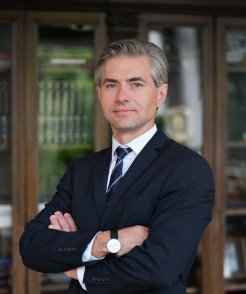
On 23 March in Brussels, the EU foreign ministers made a unanimous decision to reinforce restrictive measures against the Belarusian regime. Lithuanian Minister of Foreign Affairs Audronius Ažubalis underlined that these measures should affect the regime and officials personally responsible for acts of repression, but not ordinary Belarusians.
“It has never been easy to take a decision on restrictive measures, because it can affect also the EU member states. However, the EU has acted consistently and once again proved that it is responsible, acts in solidarity and bases its actions on principles and values,” Ažubalis said at the Foreign Affairs Council meeting.The EU Ministers added 12 persons to the list of those targeted by restrictive measures and agreed to include 29 entities due to their role in supporting the regime. 231 individuals and three companies linked to the regime are already subject to restrictive measures.
Lithuania has always spoken up for targeted restrictive EU measures against persons who are responsible for repression of opposition and civil society in Belarus, and individuals benefiting from and supporting the regime.
The Minister called on the EU to open up to ordinary Belarusians more and to unilaterally facilitate the visa regime, because the Government of Belarus has not officially responded to the EU’s proposal to open negotiations on visa regime facilitation, which was submitted more than half a year ago.
Ažubalis welcomed the proposal to make the most of the possibilities provided for in the EU law to facilitate the issuance of visas to the citizens of Belarus, and called on the EU to go beyond that.
“We managed to achieve a single position on restrictive measures against the regime in Belarus, but we still lack a single approach on its civil society, particularly with regard to visas. If we want to spread a vision of the European future broadly, we have to open up for ordinary people,” the Minister stressed.
He also called for solidarity and underlined that it would be good, if the EU ambassadors who were recalled for consultations could return to Minsk together.
The Council expressed concern over the continuing repressions, the lack of democracy, the rule of law and respect for human rights and condemned the death penalty in Belarus. The Ministers called for the release and rehabilitation of all political prisoners and urged to roll back its repressive policies against the opposition, human rights activists, journalists and representatives of civil society. The EU also reaffirmed its readiness to strengthen ties with Belarusians and to support their democratic aspirations, and promised to aim to ease visa regime for the citizens of this country.
Social media


