


THE EU COMMON AGRICULTURAL AND COHESION POLICIES REMAIN BASIC TOOLS FOR THE PROMOTION OF REGIONAL DEVELOPMENT, LITHUANIAN FOREIGN VICE-MINISTER SAYS
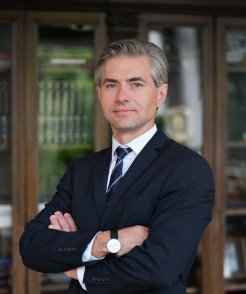
On 22 March at the high-level conference on the EU multiannual financial framework in Brussels, Lithuanian Vice-Minister of Foreign Affairs Egidijus Meilūnas underlined that the agricultural and cohesion policies were essential tools to help bridge the gap between more and less advanced regions, to create a more effective single market and to improve competitiveness of the EU in the world.
“There has never been a time when we needed these policies – the Common Agricultural and Cohesion Policies – more than today. Above all, the ultimate challenge is to foster economic growth,” Meilūnas said.The political debate on the future of the EU budget and priorities was attended by the highest ranking officials from the European Parliament, national parliaments, the European Commission and member states. During the debate, the Vice-Minister urged not to reduce the planned financing of the agricultural and cohesion policies during the 2014-2020 funding period.
“If we want to succeed, we need to have strong confidence in common EU policies, which are bringing concrete results. Our future also depends on mutual trust and solidarity in meeting common challenges – be it financial crisis, energy security or nuclear decommissioning,” Meilūnas stressed.
To illustrate his point, the Vice-Minister told the participants a success story about a small town in the south of Lithuania called Druskininkai. In 2003, the town’s unemployment rate was twice higher than the country’s average, its revenues per capita were the lowest and its attractiveness for tourists and investors was fading. Nine years later thanks to the investments from the EU funds, the town has had its infrastructure modernized, created new jobs and became a successful health resort that not only attracts tourists from Lithuania, but also from neighbouring countries.
This is the second high-level conference on the EU multiannual financial framework 2014-2020. It is co-organised by the European Parliament, the Danish Presidency of the Council of the EU and the European Commission. The conference also discussed the expenditure of the EU resources to achieve the objectives of growth and competitiveness that are set in the “Europe 2020 integrated guidelines for the economic and employment policies of the Member States.”
Social media


