Political Director Talat-Kelpša on the 50th anniversary of the Helsinki Final Act: What are we celebrating today?
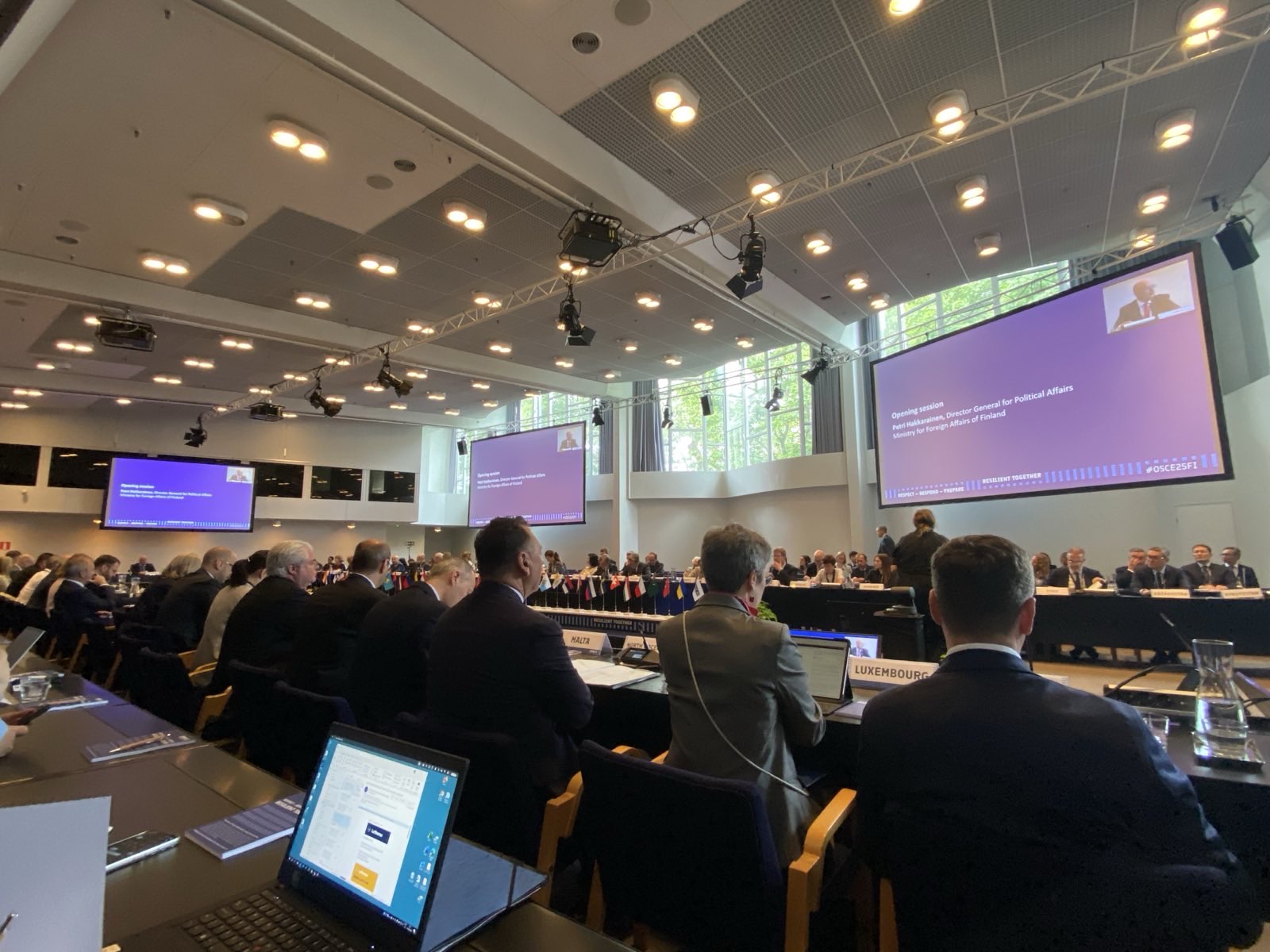
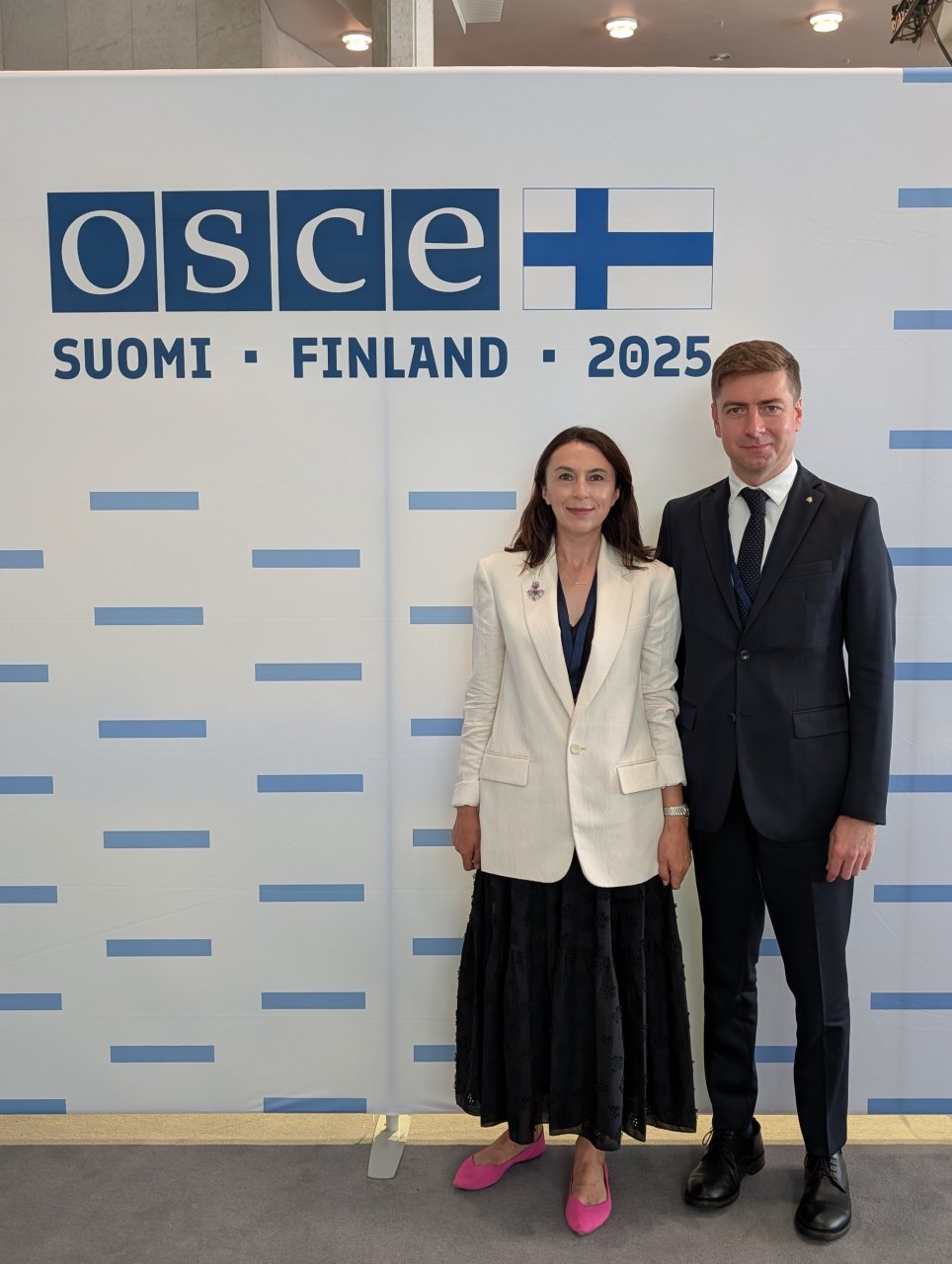
From 30 July to 1 August, Laimonas Talat-Kelpša, political director of the Ministry of Foreign Affairs, participated in the Conference marking the 50th Anniversary of the Helsinki Final Act signing, organised by the Finnish Chairmanship of the Organisation for Security and Cooperation in Europe (OSCE) and in the political directors' level discussions concerning the future of the OSCE, in Helsinki, Finland.
"What are we truly celebrating? Are we marking the passage of 50 years, or enduring principles the Helsinki Final Act has set forth? The line here might be as fine and invisible, yet as crucial as in the question of what we are seeking in Ukraine: to stop the war, to put a bridle on Ukraine's self-defence, or to curb Russia's aggression?," the political director asked.
In the discussions on the future of the OSCE, the political director made concrete proposals on how to strengthen the effectiveness of the OSCE in the changed geopolitical situation. This includes, in particular, the establishment within the OSCE of a system of liability and a permanent compliance monitoring mechanism, a kind of Helsinki Register of Violations, designed to document violations and ensure the legal and political accountability of violating parties. Second, to ensure regular monitoring of the implementation of the recommendations of the Moscow Mechanism. Third, to prevent propaganda and disinformation at the OSCE. It is unacceptable that Russia can spread lies and hostile narratives with impunity at OSCE meetings. Fourth, take measures to prevent organisations funded by authoritarian regimes from exploiting the OSCE platform to spread anti-democratic narratives.
Talat-Kelpša also questioned whether countries that do not pay membership fees are entitled to the services provided by the OSCE Secretariat, such as translation into Russian. It was recalled that to this day, Russia illegally detains three OSCE staff members and misappropriated vehicles belonging to the OSCE mission in Ukraine.
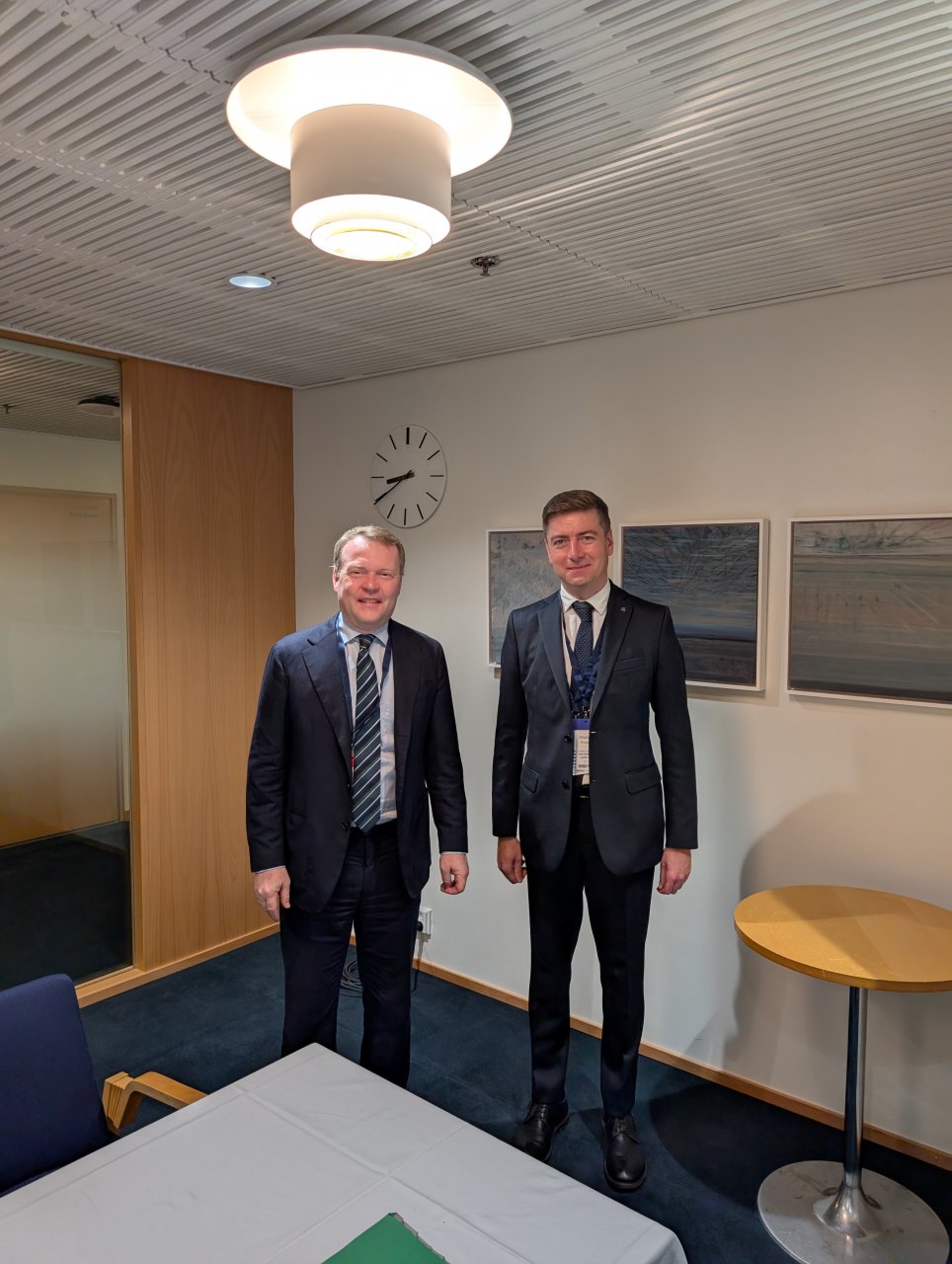
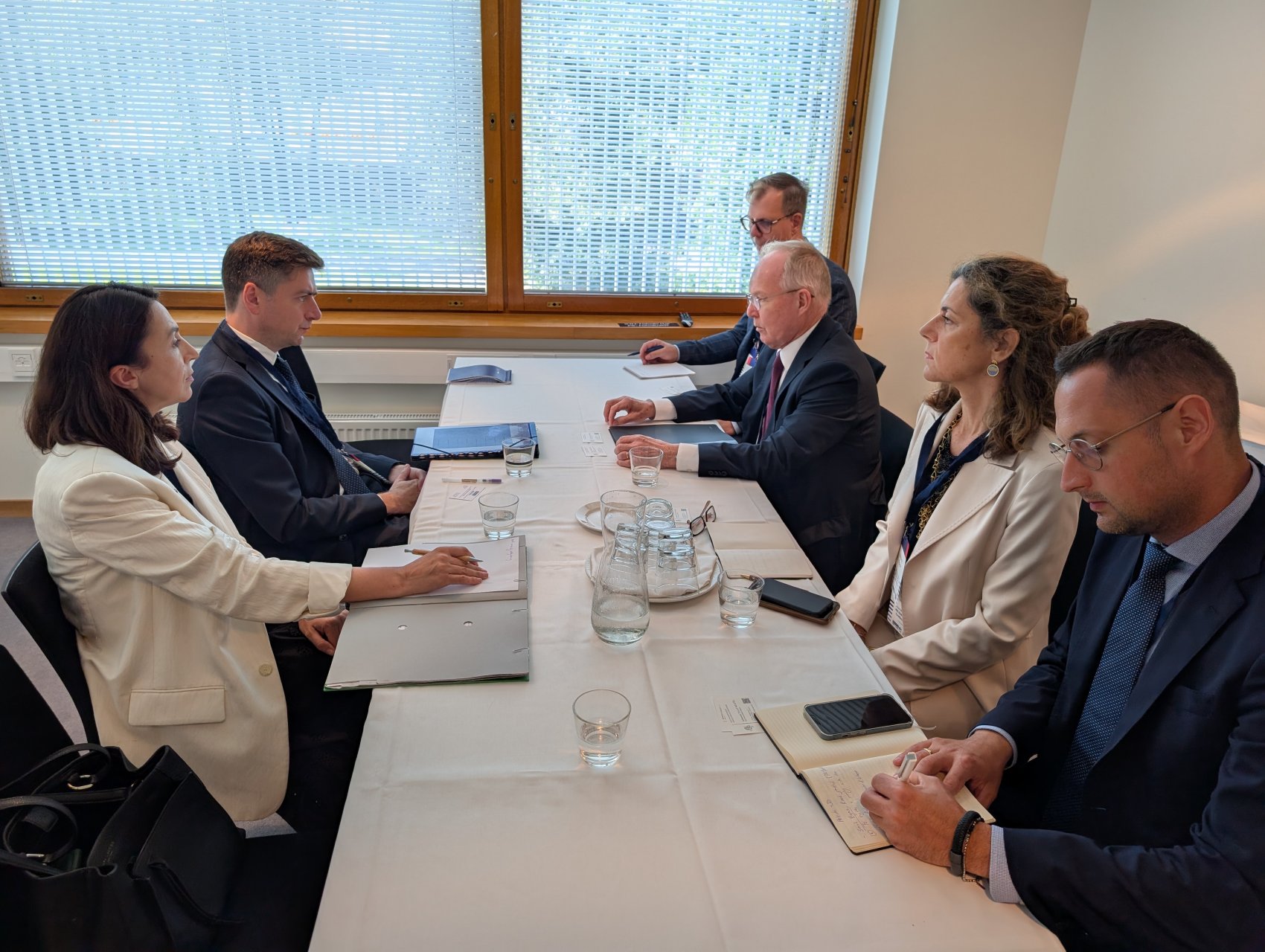
On the margins of the conference, the political director met with the OSCE High Commissioner on National Minorities, Christophe Kamp, and the OSCE Representative on Freedom of the Media, Jan Braathu, to discuss how to use the independent OSCE institutions better to support Ukraine and ensure Russia's responsibility for war crimes.
The Helsinki Final Act, signed on 1 August 1975, aimed to foster peace, security, and cooperation in Europe during the Cold War.
To read the full Statement, please click here.

Social media