


NATO WILL ASSIST GEORGIA AND UKRAINE’S INTEGRATION INTO THE ALLIANCE
On 3 December in Brussels during the North Atlantic Council, NATO Foreign Ministers discussed the necessity to continue strengthening civilian and military assistance to the Government of Afghanistan and to continue reinforcing the NATO-led International Security Assistance Force (ISAF) in Afghanistan. Foreign Ministers indicated that the reconstruction of Afghanistan could not be carried out by NATO’s commitment alone, bigger involvement of the international community was necessary, as well as there was a need to coordinate common actions more effectively.
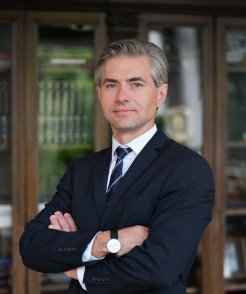
Undersecretary of the Ministry of Foreign Affairs of Lithuania Žygimantas Pavilionis drew the attention of Allies to the fact that, while implementing strategic infrastructure projects, it was necessary to coordinate activities and to summon Provincial Reconstruction Teams (PRTs) that have experience in this area.
During the first ministerial meeting of the NATO-Georgia Commission, it was agreed to support reforms in Georgia more than it is done currently. The implementation of the reforms will be coordinated by the NATO-Georgia Commission. Foreign Minister of Georgia Eka Tkeshelashvili was assured that the NATO’s decisions that were made in Bucharest regarding membership perspectives for Georgia remained effective.
E.Tkeshelashvili welcomed NATO’s decision to lead the cooperation with the help of NATO-Georgia Commission. She told Allies that Georgia was prepared to cooperate with the Alliance on the basis of Annual National Programmes.
Undersecretary of the Ministry of Foreign Affairs of Lithuania Ž.Pavilionis expressed firm support to the efforts of Georgia. “Nobody will stop a freedom-loving country on its way to NATO,” said the diplomat.
During the meeting of the NATO-Georgia Commission, NATO Foreign Ministers reiterated their concern with the Russian actions during the conflict in Georgia and the North Atlantic Council’s negative assessment of Russia’s decision to recognize South Ossetia and Abkhazia. The Ministers also called upon Russia to implement fully the Six Points plan as of 12 August 2008 and the agreement that was reached between the Presidents of Russia and France on 8 September.
Today NATO Foreign Ministers also took part in the meeting of the NATO-Ukraine Commission, during which the Allies reaffirmed all the decisions regarding Ukraine’s Euro-Atlantic integration made in Bucharest.
Ukraine’s Foreign Minister Volodymyr Ogryzko welcomed NATO’s decision to support Ukraine continuing its stride towards the Alliance and thanked Allies for their suggested framework of the Annual National Program, which would assist the country in its membership efforts.
NATO countries were glad that the NATO-Ukraine dialogue was deepening and informed Minister V. Ogryzko that they were increasing the assistance to reforms in Ukraine. Ministers made a decision to authorize the NATO-Ukraine Commission to coordinate Ukraine’s integration into the Alliance.
“We are glad that the Allies provided Ukraine with necessary instruments, which would enhance their membership aspirations,” said Ž.Pavilionis, congratulating Ukraine’s Foreign Minister.
Social media


