


Minister Budrys: NATO's response to Russia's provocations must be swift and firm—only then will we deter them
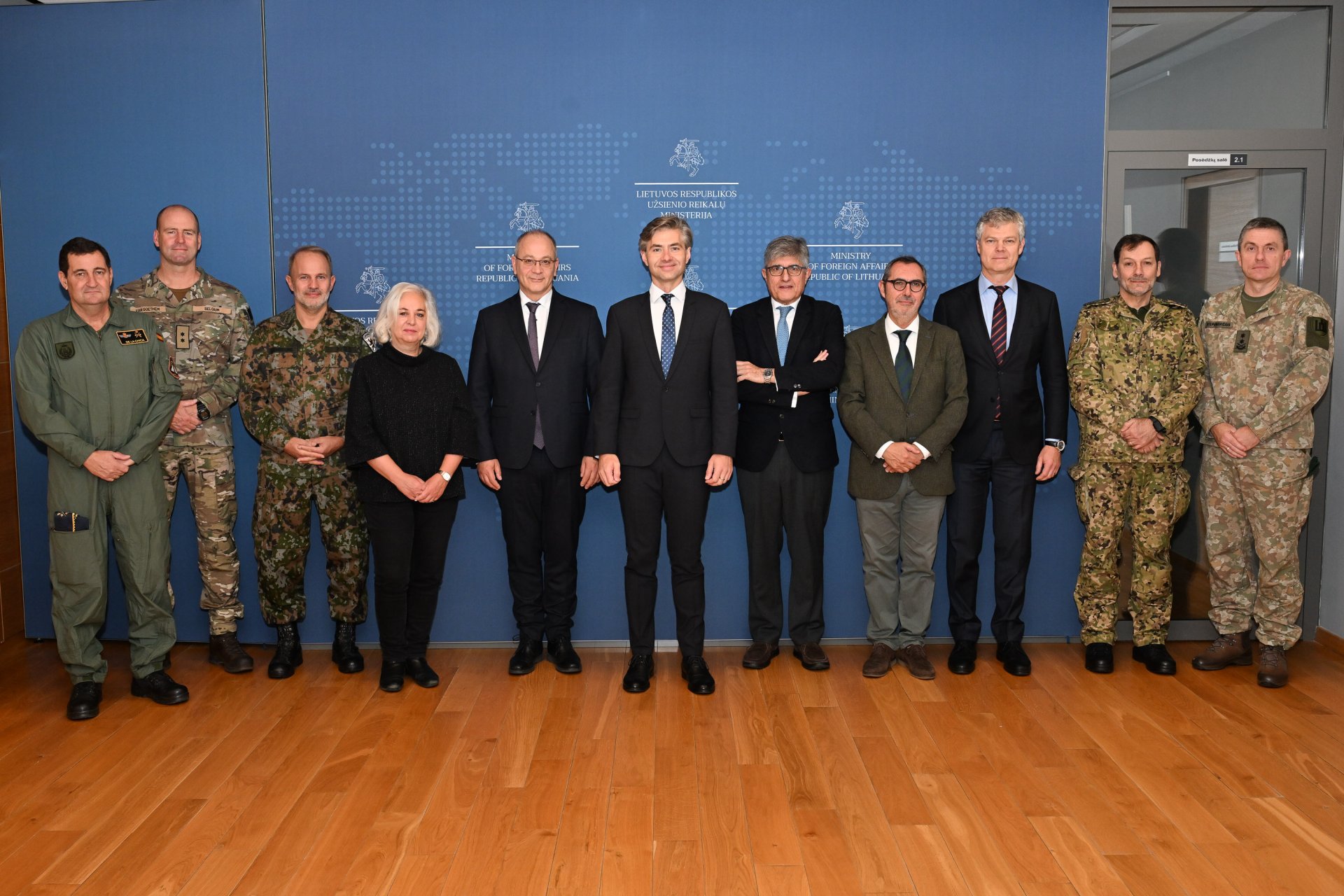
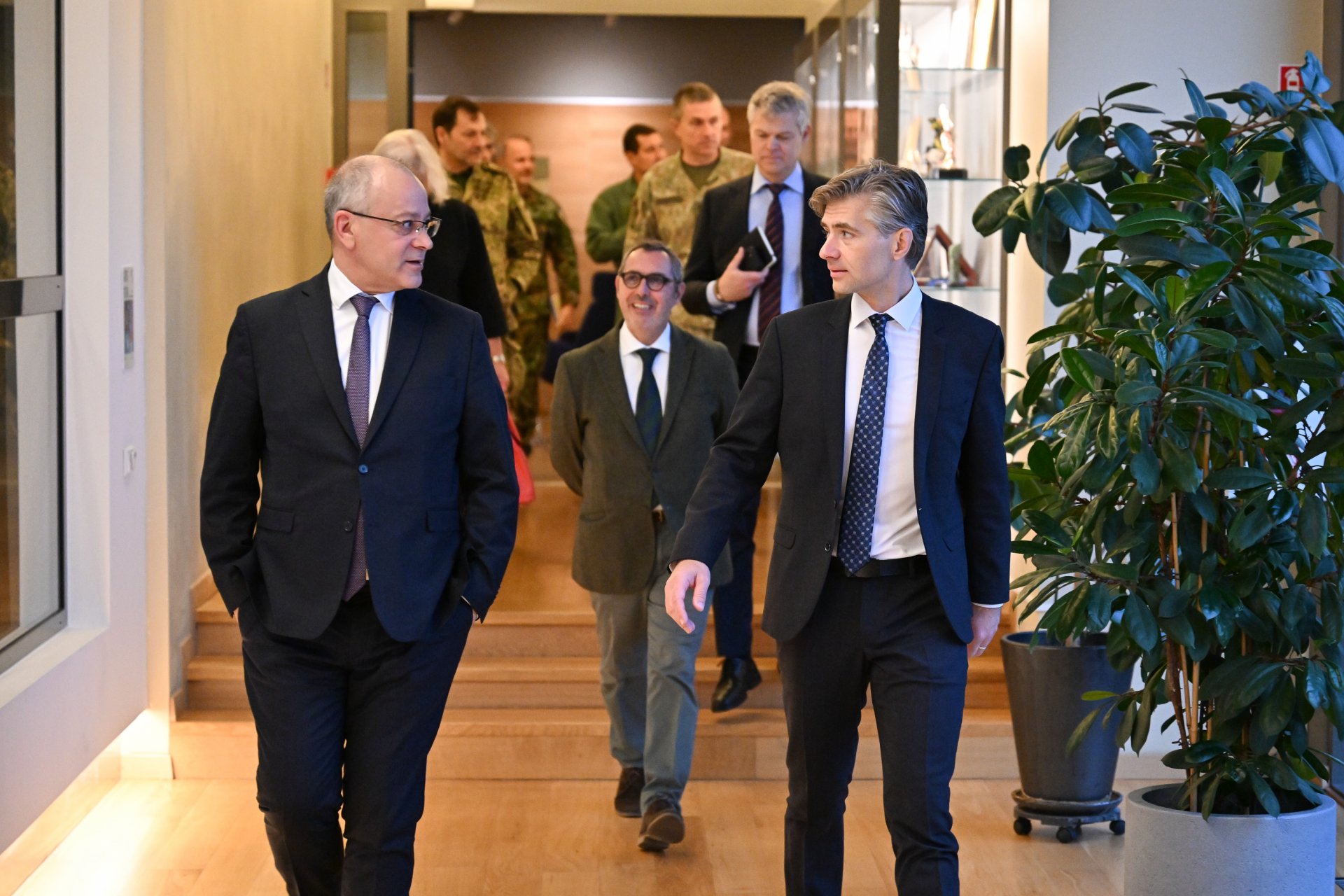
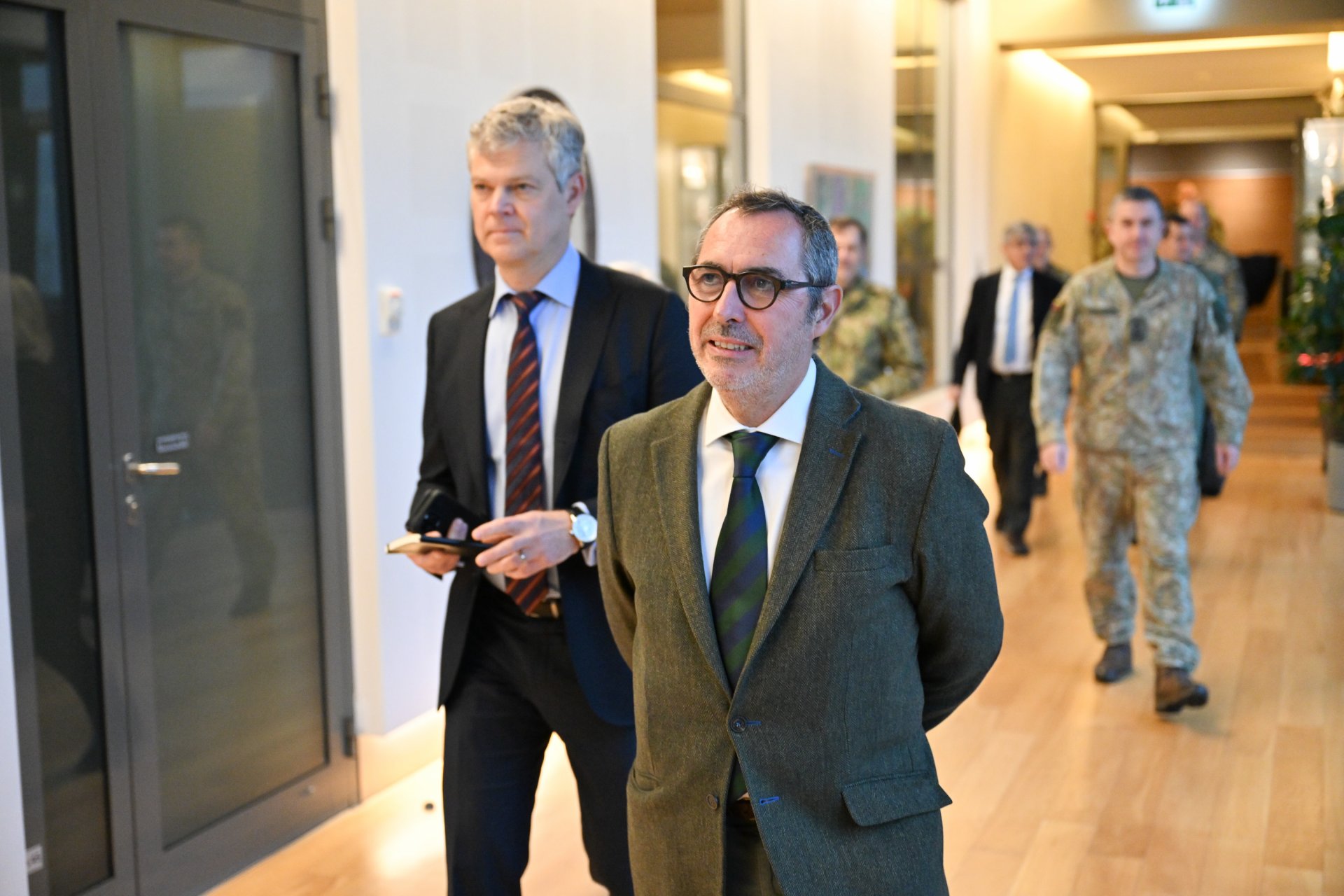
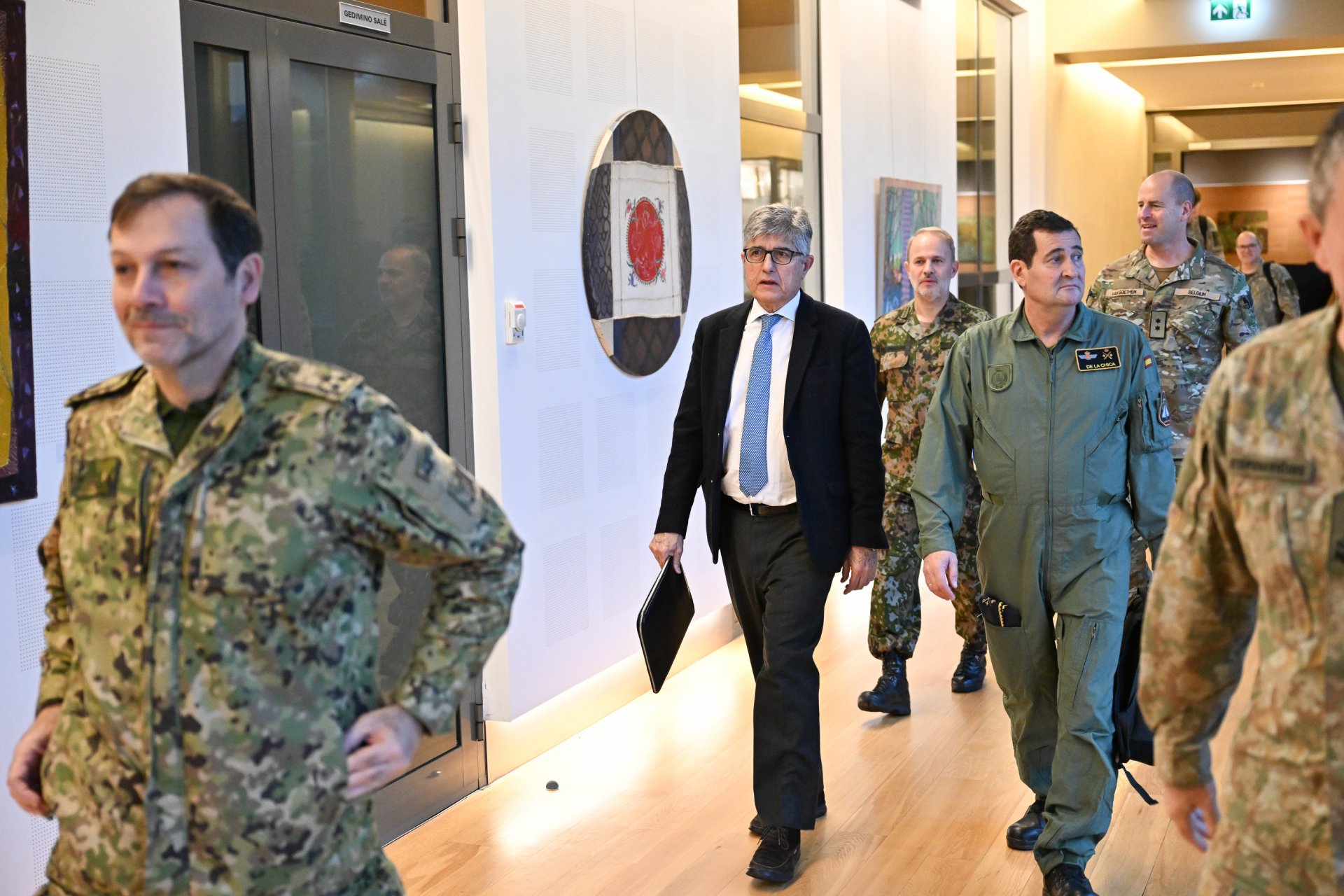
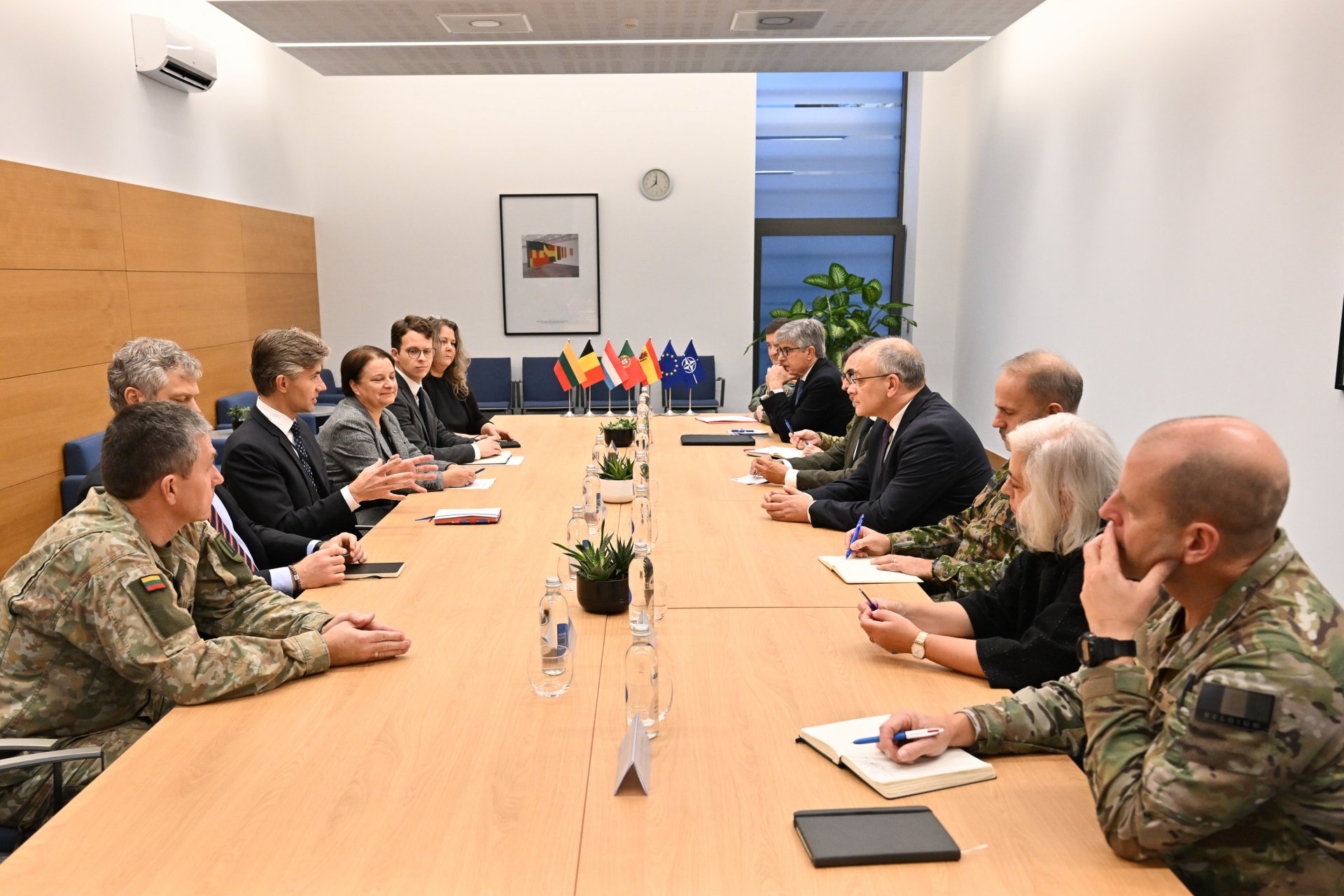
On 7 October, the Minister of Foreign Affairs, Kęstutis Budrys, met with permanent and military representatives of Belgium, Spain, Luxembourg, and Portugal to NATO. Troops from these countries are deployed in Lithuania on a rotational basis and contribute to ensuring security in the region and collective deterrence.
The meeting focused on NATO's response to Russia's increasingly aggressive violations of the Alliance's airspace, the implementation of an increased defence spending target agreed at the NATO summit in The Hague, and the importance of further military support for Ukraine.
“By violating the airspace of NATO states, Russia not only tests the Alliance’s ability to respond to threats and provocations, but also seeks to intimidate our citizens. Therefore, NATO’s collective response must be swift and robust. In addition, the air defence of the eastern flank states must become a priority for the Alliance as a whole by mobilising the necessary air defence forces and implementing the rotational model of air defence in the Baltic states. Only if we are united and determined, will we be able to deter Russia," said the head of Lithuania’s diplomacy.
As a successful example of NATO’s response, the Minister referred to 'Baltic Sentry', which significantly increased the Alliance’s military presence in the Baltic Sea in response to violations of critical undersea infrastructure.
Budrys thanked the countries for their contribution to enhancing the security of Lithuania and other Baltic states. The Minister also emphasized Lithuania's efforts to increase investment in defence, develop a national division, and continuously improve conditions for allied troops deployed in Lithuania.
Belgium, Spain, Luxembourg, and Portugal regularly participate in the NATO Air Policing Mission in Lithuania or send their troops to the NATO Multinational Battle Group.
Social media


