


LITHUANIA’S STRATEGIC ORIENTATION TOWARDS THE NORDIC-BALTIC REGION IS BASED ON HISTORICAL EXPERIENCE, SAYS FOREIGN MINISTER
Today, the strategic orientation of Lithuania’s foreign policy towards and integration into a unified Nordic-Baltic region is based on its historical experience, i.e., the reign of the Vasa dynasty during the period of the Polish–Lithuanian Commonwealth, when ties of the countries in the region were closer than ever before and they shared similar political interests.
Lithuanian Minister of Foreign Affairs Audronius Ažubalis said at the Palace of the Grand Dukes of Lithuania on 19 October during the international conference “The Vasa époque in the Grand Duchy of Lithuania.”According to the Minister, we can analyze the Swedish period of the Polish–Lithuanian Commonwealth, which lasted from 1588 to 1668, and draw up relevant recommendations for our current foreign policy.
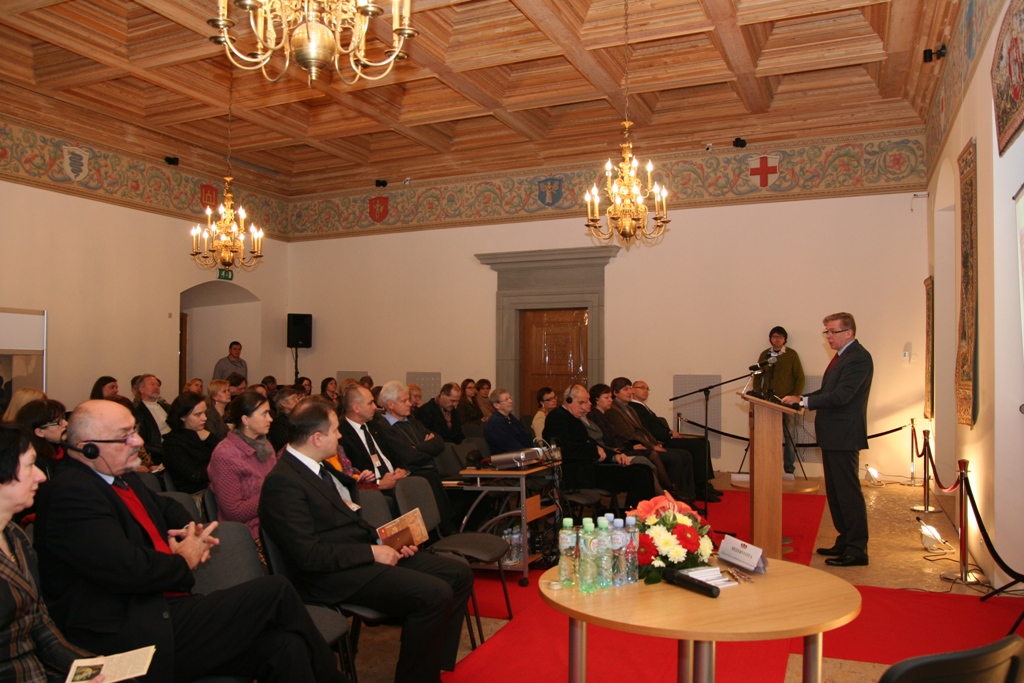 “Back then and still today the countries of the region are very interdependent. Therefore, trying to achieve foreign policy goals individually and disregarding the needs and reasonable expectations of the neighbouring states would be the same as to kick with sore toe,” said the Minister.
According to him, the aim to create a safe, sustainable and democratic region that would extend from the Baltic Sea to the Black Sea is “the best evidence that the interests of our countries are the same”.
In recent years, Lithuania’s strategic orientation towards and also integration into a unified Nordic-Baltic region have become more evident, and, according to A.Ažubalis, compatible with the country’s long-term policy in the East.
“Just like in the Vasa period, the foreign policies in the North and in the East are directly interdependent, and key political interests of the Baltic, Nordic and Central European countries coincide. The revived historic Nordic partnership presents a great opportunity for Lithuania to even more effectively promote democratic processes and build the well-being in our neighbouring Eastern European countries,” said the Minister.
According to him, in the Vasa époque, more than in any other period in the history of Lithuania, foreign policy and domestic policy issues were overlapping with political choices and destinies of all the neighbouring countries.
Social media


