


Lithuania’s Foreign Minister Landsbergis at the Snow Meeting: Today’s most reliable security guarantee for Ukraine is its European and Euro-Atlantic integration
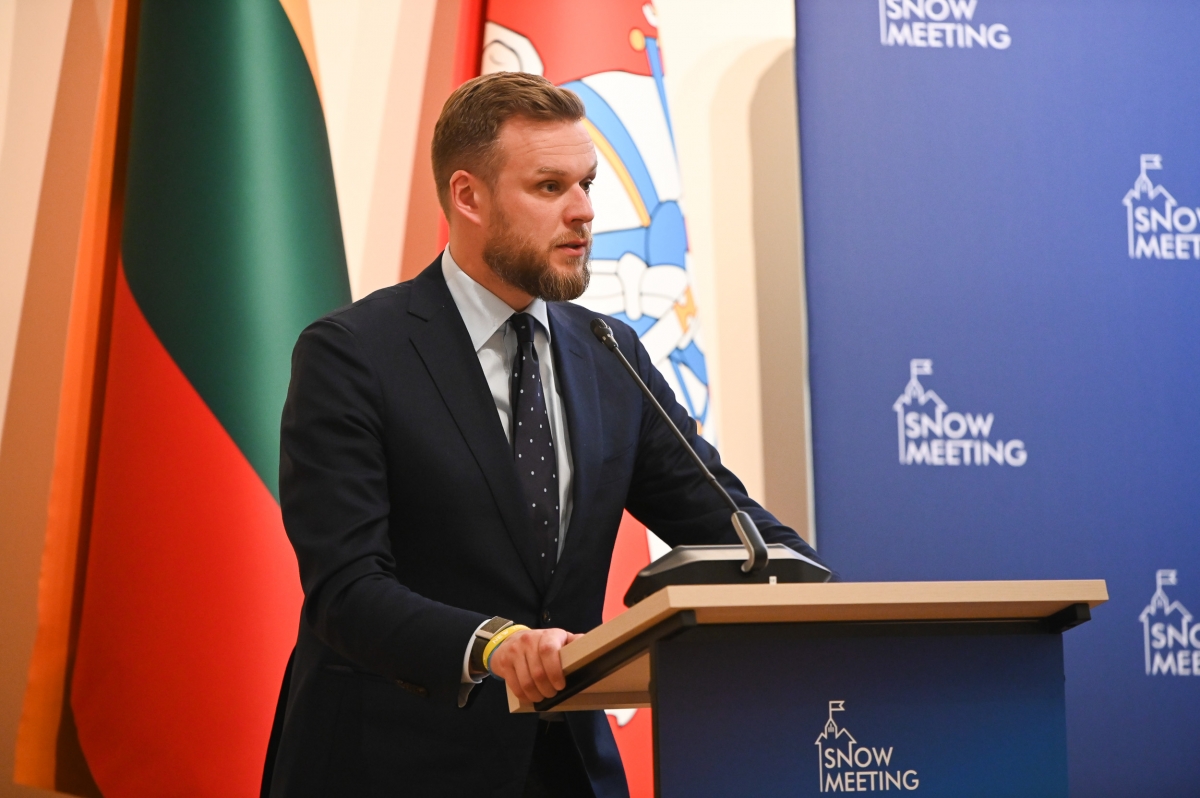
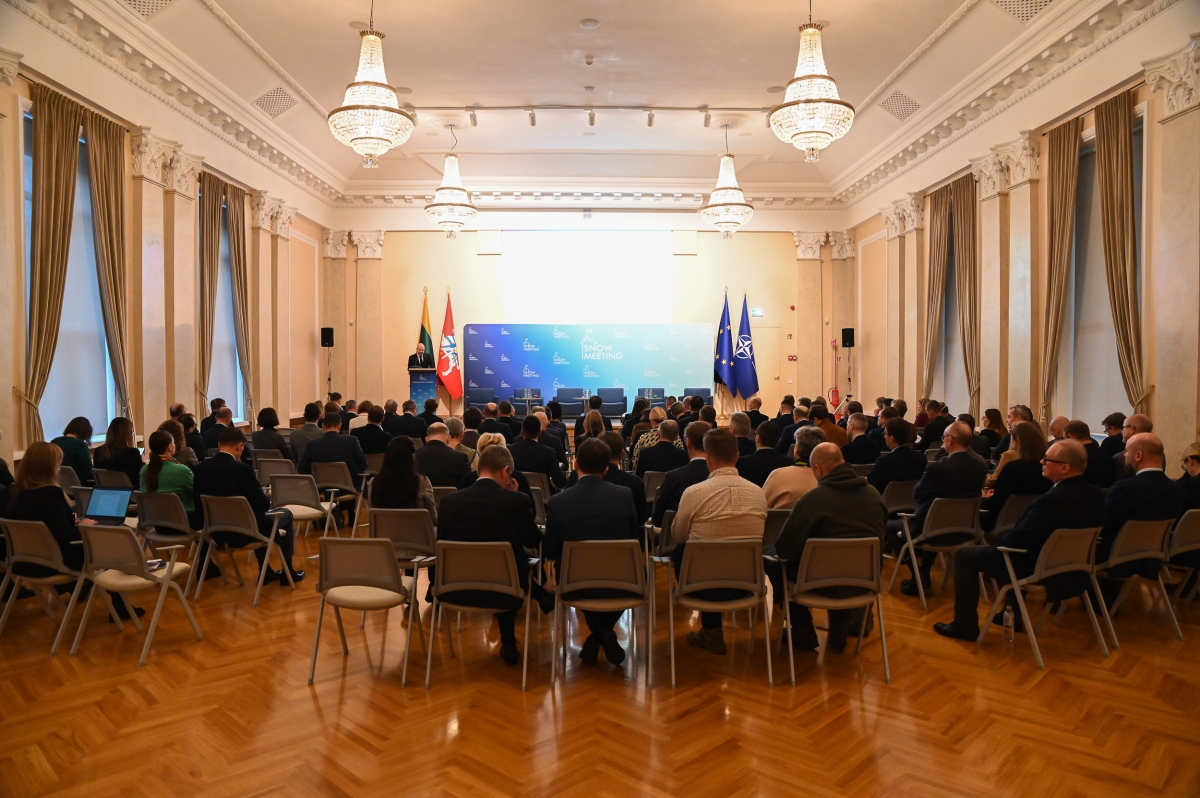
On 20 January, security policy experts’ annual Snow Meeting 2023 took place at the Ministry of Foreign Affairs. The event was attended by many participants from Lithuania and abroad.
Traditionally, the event brings together politicians, diplomats, and academic community members. The meeting discussed key issues on the security policy agenda for the beginning of 2023. The discussion focused on the need to maintain and strengthen Western support for Ukraine and the priorities of the NATO summit in Vilnius on 11 and 12 July.
“Our main task is to continue supporting Ukraine. We can’t give in to fatigue. The sooner Ukraine receives all the necessary equipment and ammunition, the quicker it will be able to win, defend its sovereignty and restore territorial integrity,” said Lithuania’s Foreign Minister Gabrielius Landsbergis.
When speaking about Russia’s war against Ukraine, the head of Lithuania’s diplomacy called for ensuring accountability for aggression and war crimes. “We must hold the aggressor accountable, as well as all those responsible for torture, massacre and destruction in Ukraine,” Landsbergis said.
When discussing the need to balance Europe’s contribution to transatlantic security, the Foreign Minister stressed the need to increase defence spending and invest in capabilities. According to Landsbergis, Russia is preparing for a protracted conflict, so NATO’s forward defence and allies’ commitment to defend every inch of its territory is even more relevant.
The Foreign Minister also noted that we should discuss Ukraine’s Euro-Atlantic aspirations ahead of the Vilnius meeting. “Today’s most reliable security guarantee for Ukraine is its European and Euro-Atlantic integration,” Landsbergis said.
This year, the Snow Meeting, which usually focuses on the critical security challenges facing the transatlantic community, took place for the sixteenth time. Politicians, senior diplomats, NATO representatives and international security policy experts were invited to attend the event.
Social media


