


Lithuania’s Foreign Minister Landsbergis at the OSCE meeting: “We cannot allow the aggressor to dictate our agenda and violate our principles”
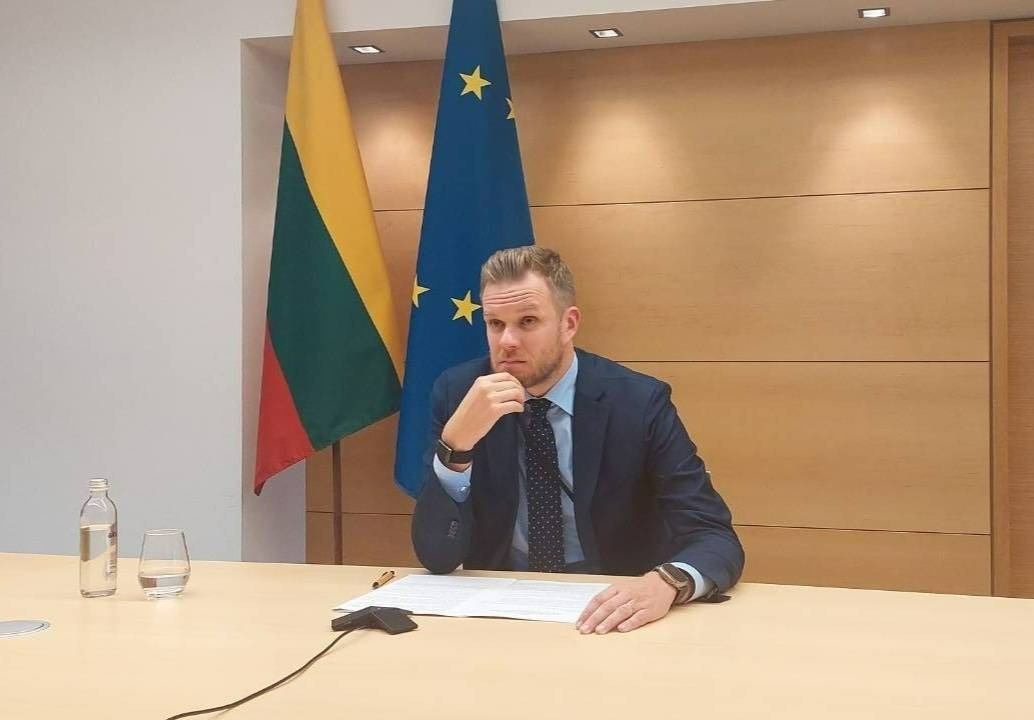
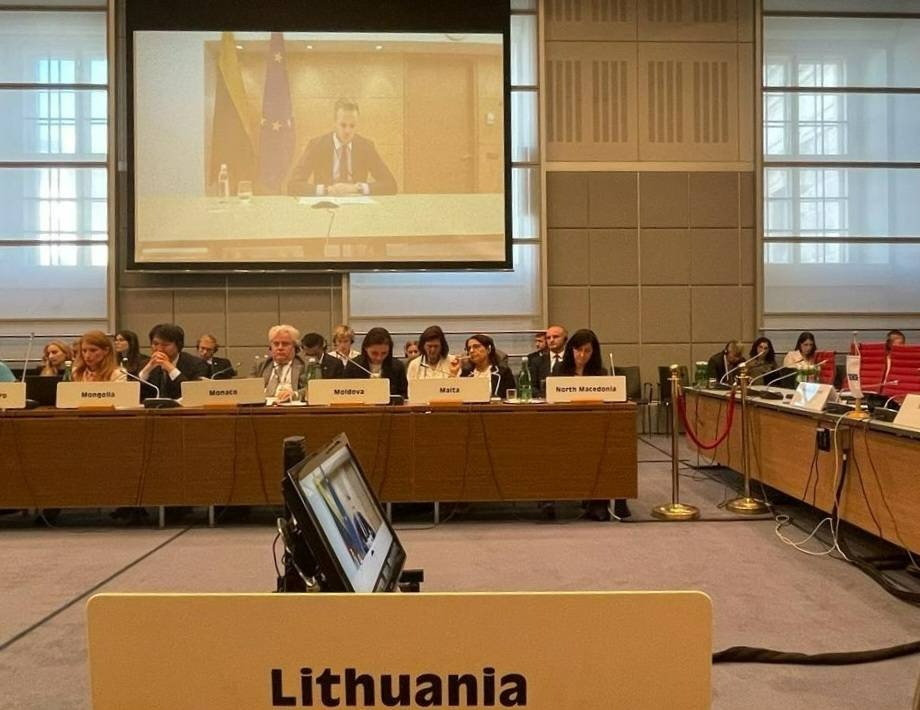
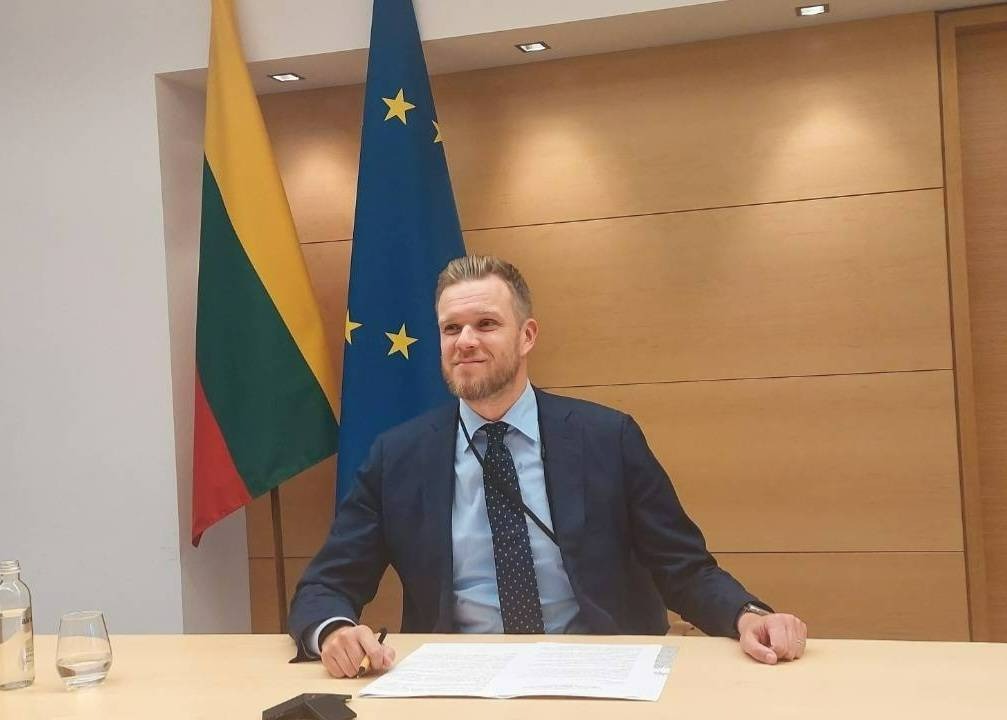
On 26 September, Lithuania’s Minister of Foreign Affairs Gabrielius Landsbergis attended a reinforced meeting of the Permanent Council of the Organisation for Security and Cooperation in Europe (OSCE), strongly condemned Russia’s ongoing aggression against Ukraine and criticised Russia’s actions paralysing OSCE activities.
“A country that completely disregards our values cannot be allowed to dictate our agenda and violate our principles,” Lithuania’s Foreign Minister said.
Landsbergis stressed the need for the OSCE countries to resist blackmail and to take a firm stand against the aggressor.
With Russia blocking the OSCE’s decisions, the participating states must find a way to approve the 2024 Chairmanship, decide on renewing the mandate of the OSCE Secretary General and the heads of the three autonomous institutions, and adopt the organisation’s budget.
The Foreign Minister expressed Lithuania’s support for Estonia’s candidacy for the OSCE Chairmanship in 2024. “Estonia is well prepared to lead the organisation during these turbulent times,” said Landsbergis, who also supported the renewal of the mandate of the OSCE Secretary General and the heads of the three autonomous institutions. “It is clear that no issue can be held ‘hostage’ by Russia’s blackmail. We must not demand blessing from a country that is willing to destroy this organisation,” Landsbergis added.
In his speech, Landsbergis proposed to rethink the way the OSCE operates, including using a consensus decision-making process, and to expel Russia from the OSCE.
The Foreign Minister urged the OSCE to actively defend the fundamental principles of the OSCE enshrined in the Helsinki Final Act, which Russia continues to shamelessly violate – respect for sovereignty, territorial integrity of states and inviolability of state borders, non-use of force. The OSCE, the world’s largest regional security organisation designed to address comprehensive security and stability, human rights, economic and environmental issues in the region with 57 states from Europe and Central Asia, faces existential challenges due to Russia’s obstructive actions.
Social media


