


Lithuania’s Foreign Minister Gabrielius Landsbergis: While the war in Ukraine rages on, Europe cannot feel fatigued
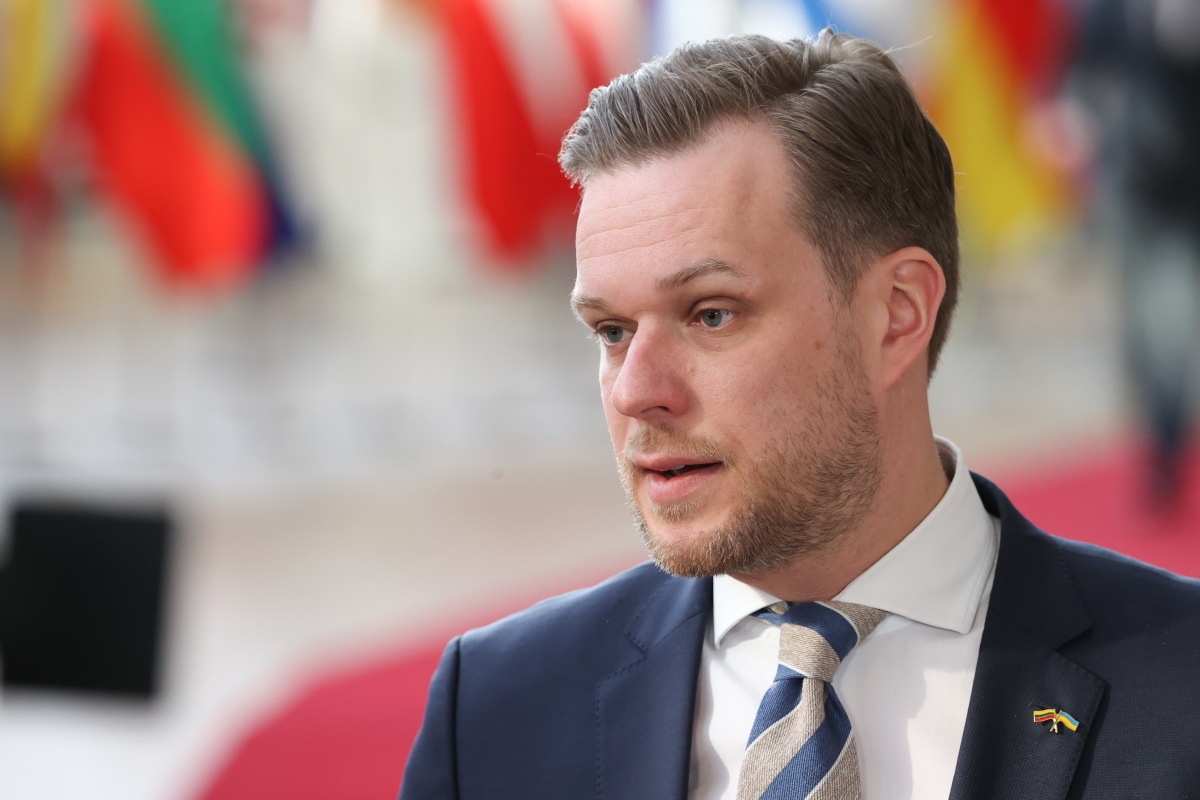
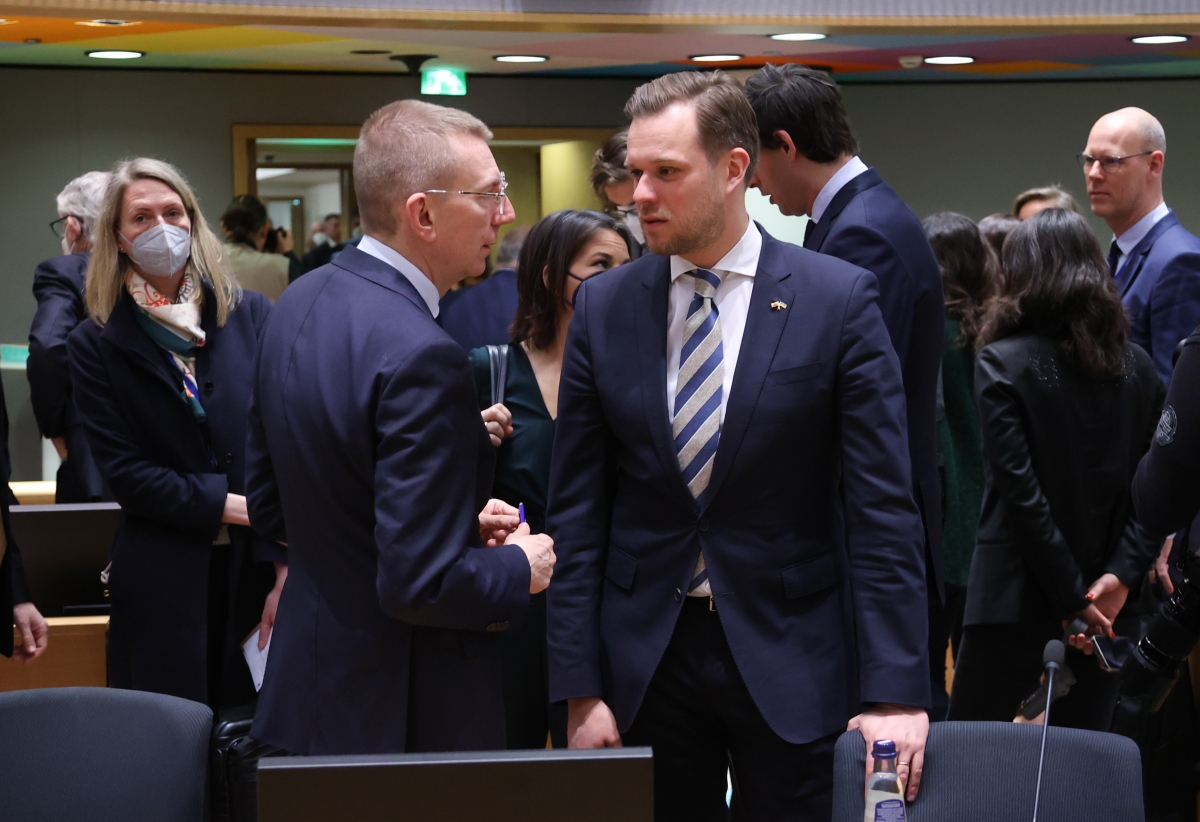
On 21 March in Brussels, Belgium, the Minister of Foreign Affairs of Lithuania Gabrielius Landsbergis attended the Foreign Affairs Council meeting, which focused on the situation in Ukraine, the EU’s new set of measures to respond to Russia’s military aggression against Ukraine in coordination with like-minded partners, as well as the provision of military and humanitarian support for Ukraine.
“On a daily basis, Russia commits new war crimes, ruthless and increasingly brutal attacks on civilians, hospitals, and schools. It goes even further — residents of Mariupol, which has been turned into wasteland, are forcibly taken to camps in Russia. In the face of Russia's military aggression, we cannot remain silent or be passive observers. It is important to clearly understand that we have to choose between the international order based on agreed rules and norms, and the international system based on power," Landsbergis said, calling for an intensified dialogue with the third countries that have not yet condemned Russia's military intervention in Ukraine and for an increased international isolation of Russia.
EU ministers for foreign affairs talked about the impact of the already imposed sanctions on Russia and Belarus, and the possibility of tightening and extending them, when preparing the fifth package of sanctions.
“While the war in Ukraine rages on, Europe cannot feel fatigued. It is important to extend individual and sectoral sanctions, as well as to agree on sanctions targeting oil and energy sectors immediately. As long as Europe is buying Russian gas and oil, we will contribute to the financing of Russian military aggression. There is also a need to send a clear message that mirror sanctions will be imposed on those countries that will help Russia to bypass EU sanctions. This is also a question of our credibility," the Foreign Minister said.
During the meeting, EU ministers for foreign affairs agreed to continue providing military and humanitarian support for Ukraine and neighboring countries, which were taking in the most Ukrainian refugees.
“If we really wish to enable Ukrainians to defend their own country, we must respond to their request for assistance and provide military weapons ,” Landsbergis said and stressed the need to take Ukraine’s European aspirations seriously. “The Versailles Declaration, which recognizes that Ukraine belongs to the European family, sends a strong political signal to Ukraine and its people. Let’s take another step and grant Ukraine the status of an EU candidate country,” the Foreign Minister said, urging the European Commission to begin the process and send a questionnaire to Ukraine.
As regards the criminal responsibility of the Russian and Belarusian regimes under international law, Landsbergis highlighted that it was important to ensure that all those responsible for the military aggression and war crimes would be held to account. Bearing this in mind, it is essential that we support investigations into Russia's invasion of Ukraine already begun by the United Nations Human Rights Council and the prosecutor at the International Criminal Court.
EU ministers for foreign affairs also held an informal exchange of views with the Deputy Prime Minister and Minister for Foreign Affairs and European Integration of the Republic of Moldova Nicu Popescu.
Social media


