


Lithuania’s Foreign Minister Gabrielius Landsbergis: We must prevent the nuclear threat posed to Europe and grant Ukraine the EU candidate status as soon as possible
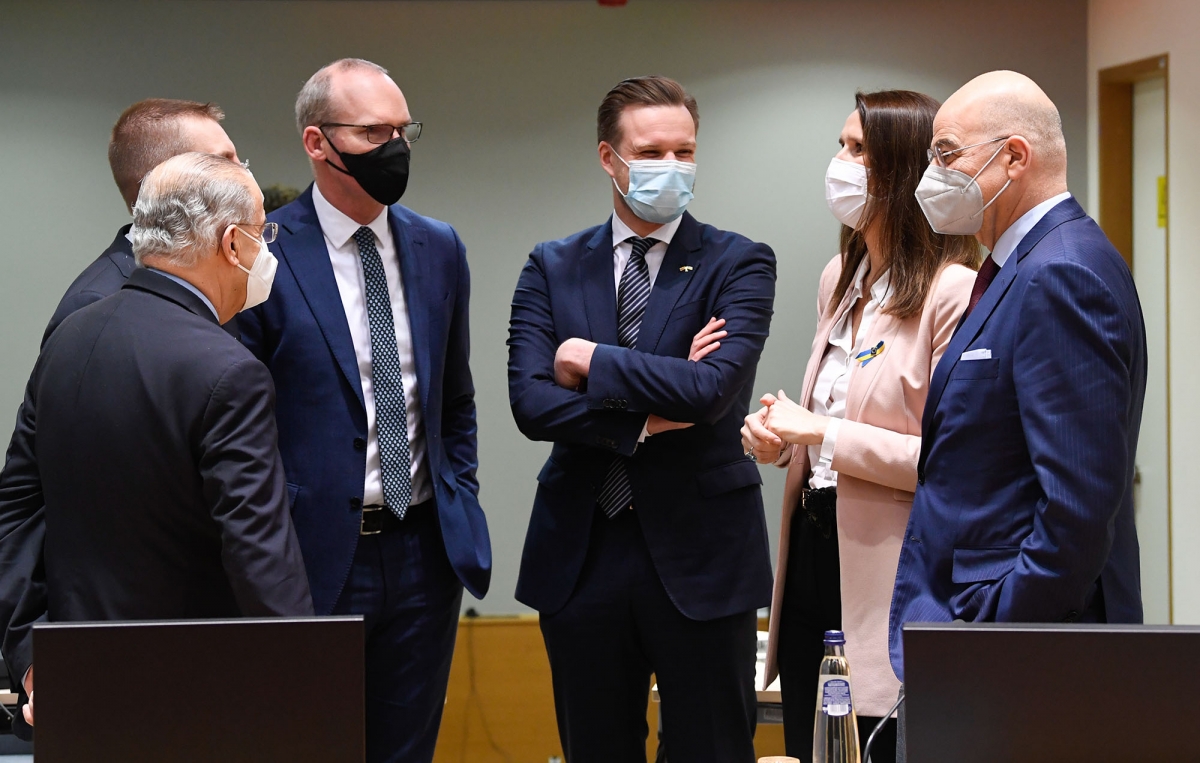
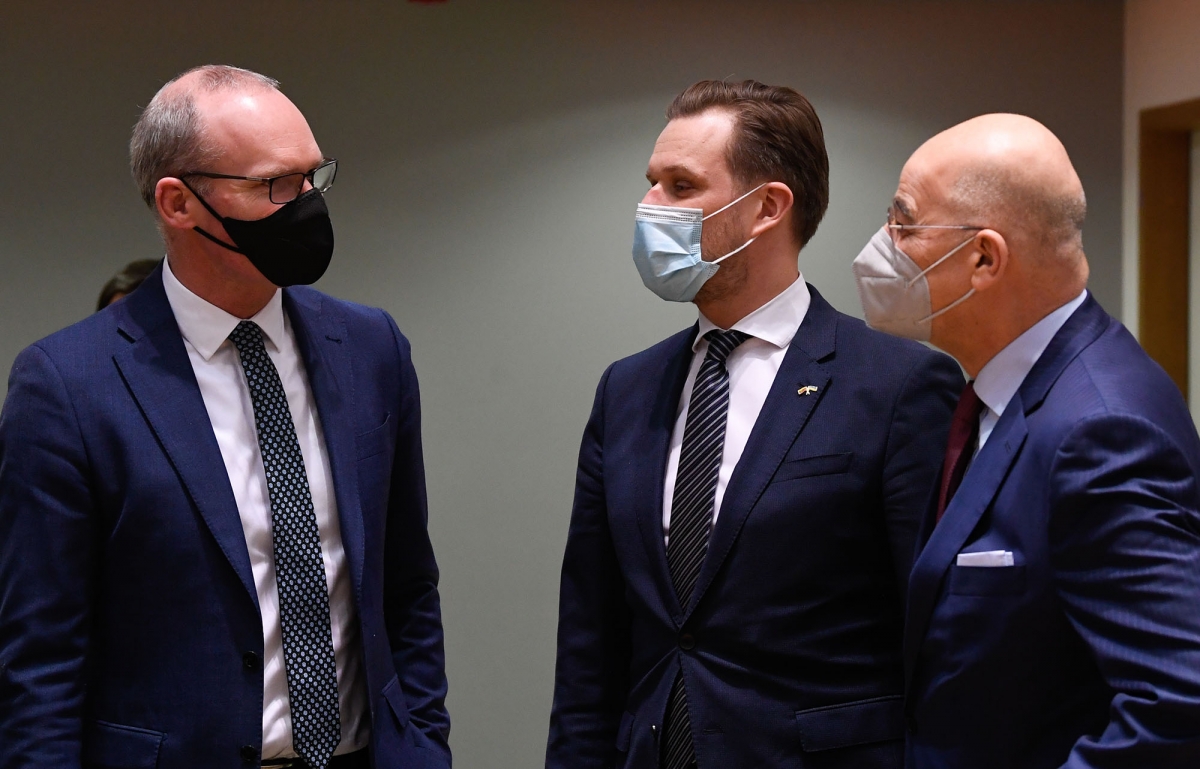
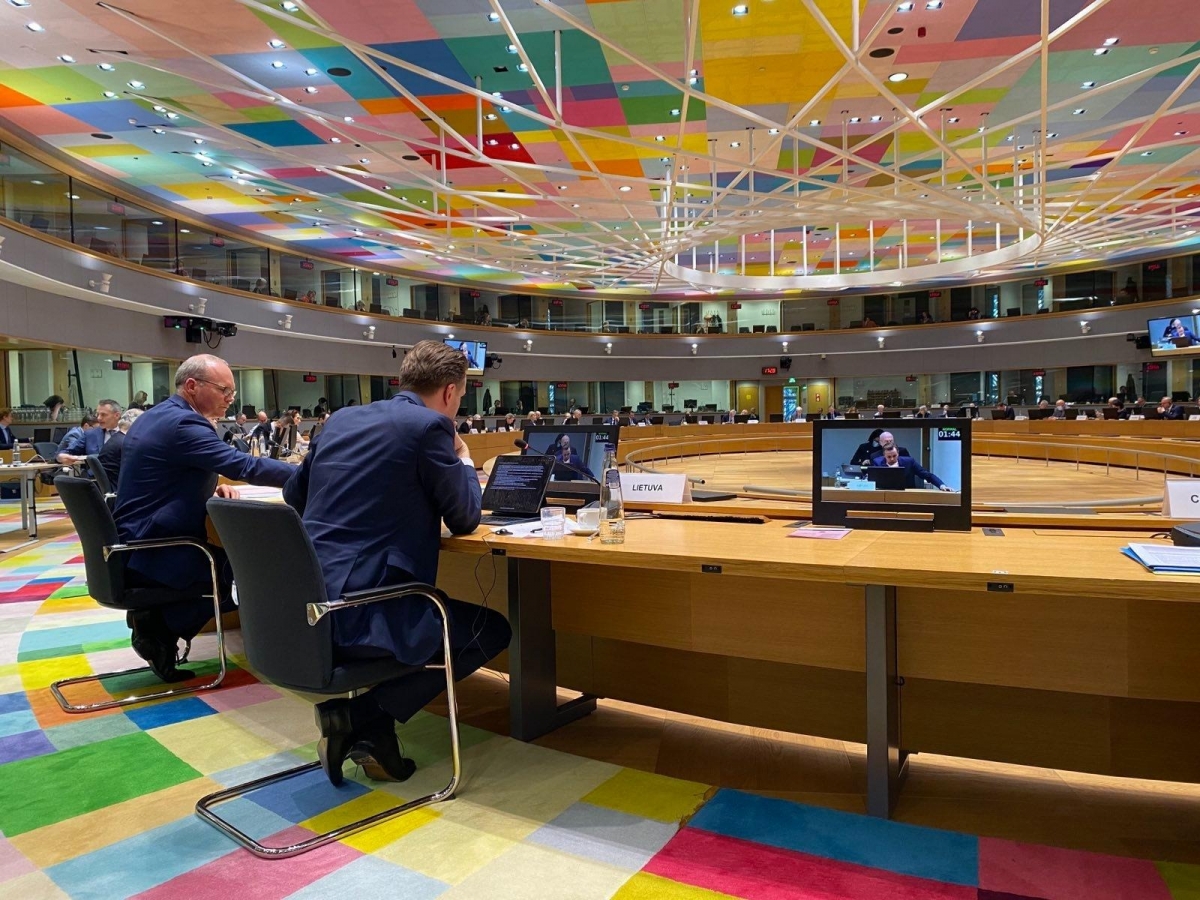
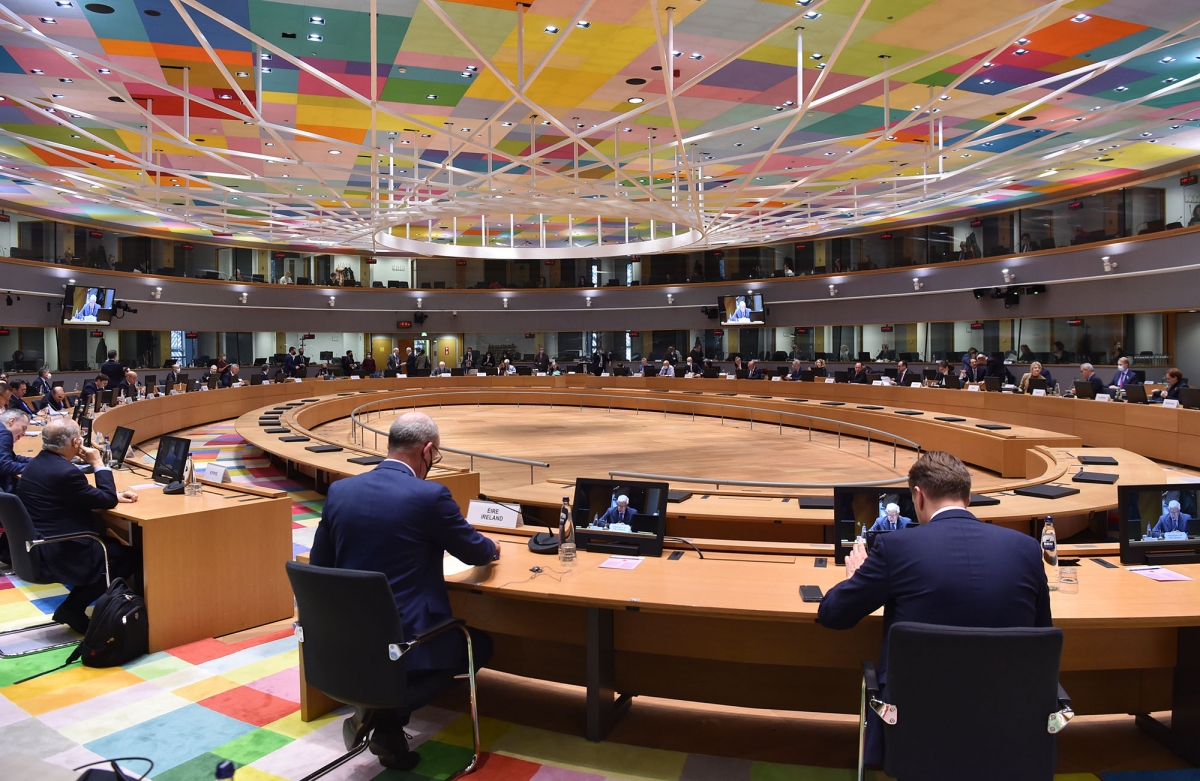
On 4 March, the Minister of Foreign Affairs of Lithuania Gabrielius Landsbergis took part in the extraordinary Foreign Affairs Council. During the meeting, Foreign Ministers together with partners — NATO, the United States, the United Kingdom, and Canada — discussed further joint steps to de-escalate the situation, to provide the necessary support for Ukraine, and to ensure the protection of the civilian population.
The Ukrainian Foreign Minister Dmytro Kuleba joined via video conference and provided an overview of the latest developments in Ukraine.
“Tonight, Russian military forces attacked the Zaporizhzhya nuclear power plant, posing a significant nuclear threat to the whole of Europe. Ukraine has 15 nuclear reactors, which can be attacked at any moment. Thus it is crucial that the international community prevents such actions that could endanger the whole of Europe by declaring a safe zone around Ukraine’s nuclear power plants," Landsbergis said.
Landsbergis highlighted the importance of ensuring the opening of humanitarian corridors from Ukraine to allow for the safe passage of civilians fleeing war and the provision of essential aid — food, water, medical supplies — aimed at supporting residents of Ukrainian cities bombarded by Russia.
“The EU and its partners’ response to Russian military aggression has been extremely strict and united. However, in order to stop Russia’s further military aggression, we need to move faster and further. We must strongly support Ukraine’s chosen pro-European path and grant it the EU candidate status. Today, Ukrainians are fighting not only for their country, but also for Europe's democratic values and security," the Foreign Minister said.
“We must strengthen our response to the Kremlin's propaganda and the spread of disinformation aimed at justifying Russian military invasion of Ukraine, concealing the ongoing war crimes, and questioning international support for Ukraine. The EU has already banned Russian state-backed television channels on its territory. But it is also important to disseminate information in Russian and Ukrainian languages and to strengthen the joint effort by blocking persons who instigate war and aggression on social media,” said Landsbergis, who urged EU member states to jointly address technology companies, offering leadership in the fight against disinformation.
The meeting was also attended by the NATO Secretary General Jens Stoltenberg, the United States Secretary of State Antony Blinken, the Canadian Foreign Minister Mélanie Joly, and the British Foreign Secretary Liz Truss.
Photos: The European Union
Social media


