


Lithuania’s Foreign Minister Gabrielius Landsbergis: The EU partners speak in favor of a strong response, if the situation at the Ukrainian border escalates
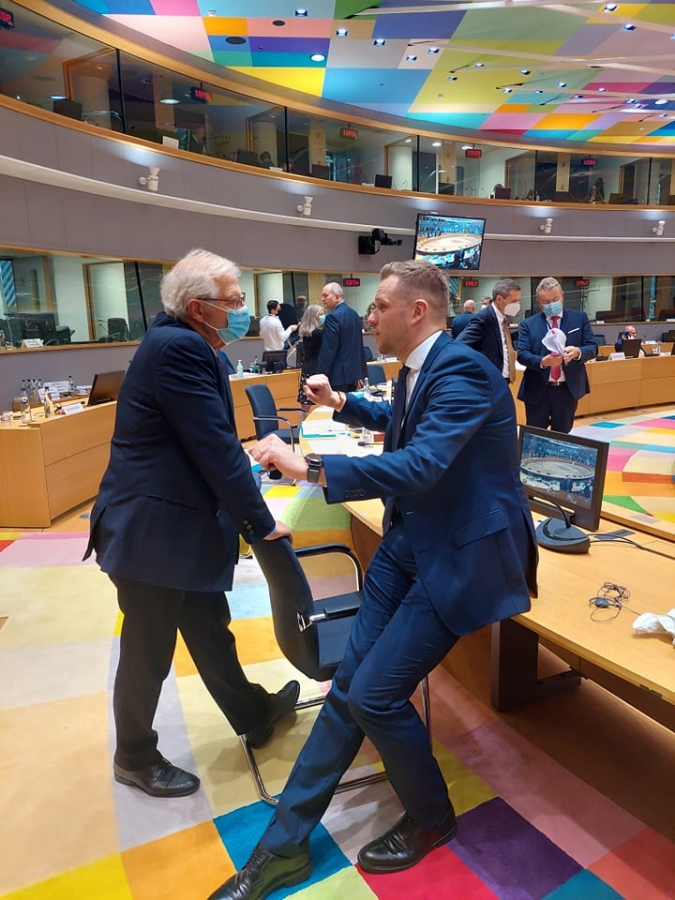
On 13 December, the Foreign Affairs Council in Brussels made a political assessment of the situation in Belarus, eastern Ukraine, and the economic pressure from China.
The EU Foreign Ministers paid particular attention to the escalation along Ukraine’s eastern borders and the Russian military build-up.
“Russia’s aggression against Ukraine has continued for almost eight years. Today, we see that Russia draws new red lines again. It threatens Ukraine and democracies by refusing to seek a constructive and diplomatic solution. We must send a clear message that no third country can have a veto right over decisions of a democratic and independent state. Today, the Ministers very unanimously stressed the need for a strong and very strict response, if the situation at Ukraine’s borders escalated," said Landsbergis.
The Foreign Minister also noted that the EU should contribute to the strengthening of the resilience of Ukraine and its society, develop deterrence measures and clearly identify possible future consequences of Russia’s military escalation.
As regards the situation in Belarus and at the eastern border of the EU, Lithuania's Foreign Minister stressed the need to maintain focus on both the instrumentalisation of migrants by Lukashenko's regime, and the increasing repression and the deteriorating human rights situation in Belarus.
“Despite some positive steps — organised repatriation flights — the situation remains tense and a large number of migrants remains on the territory of Belarus. We need to be prepared for further provocations. The internal situation in Belarus is also worsening: the number of political prisoners has reached unprecedented heights, civil society is under increasing pressure and independent media has been liquidated. It is therefore crucial to maintain pressure on the regime," said the Foreign Minister, who also stressed the importance of continuing the non-recognition policy of the illegal President, demanding to release and rehabilitate political prisoners, and to ensure that those responsible do not go unpunished.
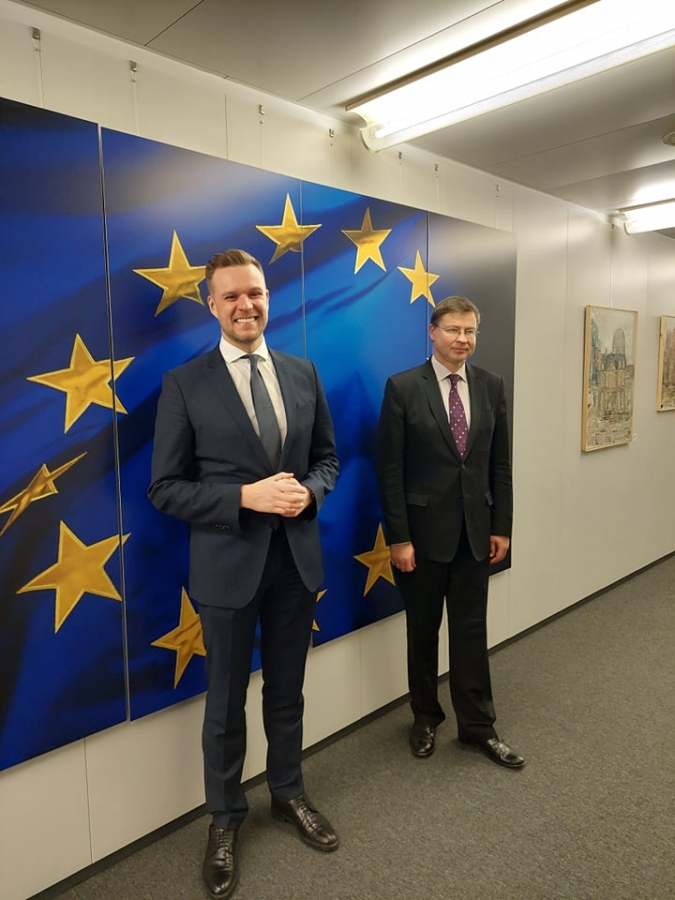
Landsbergis also highlighted the need for the EU's urgent and united action in response to China's pressure on Lithuania. Today, the Foreign Minister presented the trade disruptions in detail to the Executive Vice President of the European Commission for an Economy that Works for People, and European Commissioner for Trade Valdis Dombrovskis.
During the discussion about the EU’s relations with the Central Asian countries, Lithuania's Foreign Minister voiced concerns over the economic and humanitarian crisis in Afghanistan, and its impact on the states in the region. Landsbergis agreed on the importance of increasing the EU’s engagement in the region, promoting the implementation of democratic reforms and discussing the human rights situation. The Foreign Minister also stressed the need for foreseeing measures to help countries in the region build economic resilience, ensure the security of Afghan refugees, as well as their humanitarian needs.
Social media


