


Lithuania's Foreign Minister Gabrielius Landsbergis: Human rights violations can neither be tolerated in Moscow, nor Minsk, nor Hong Kong

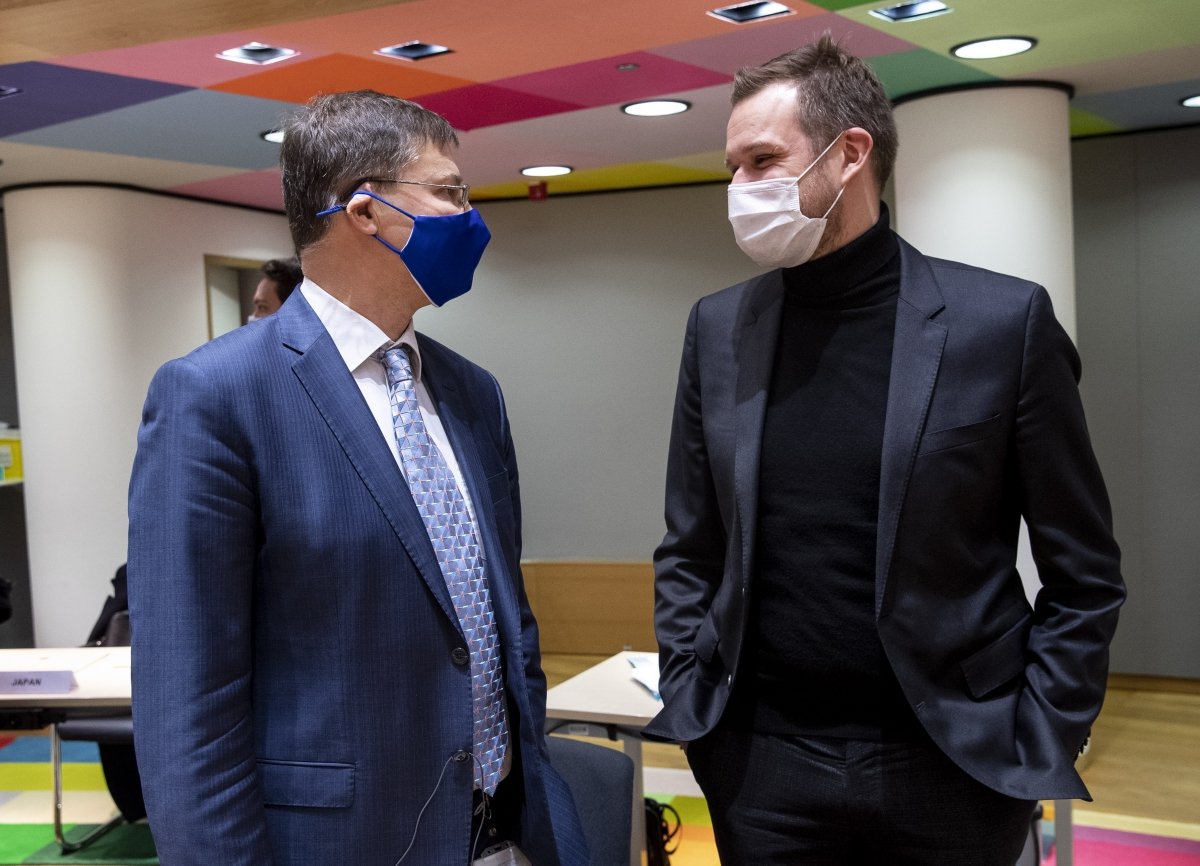
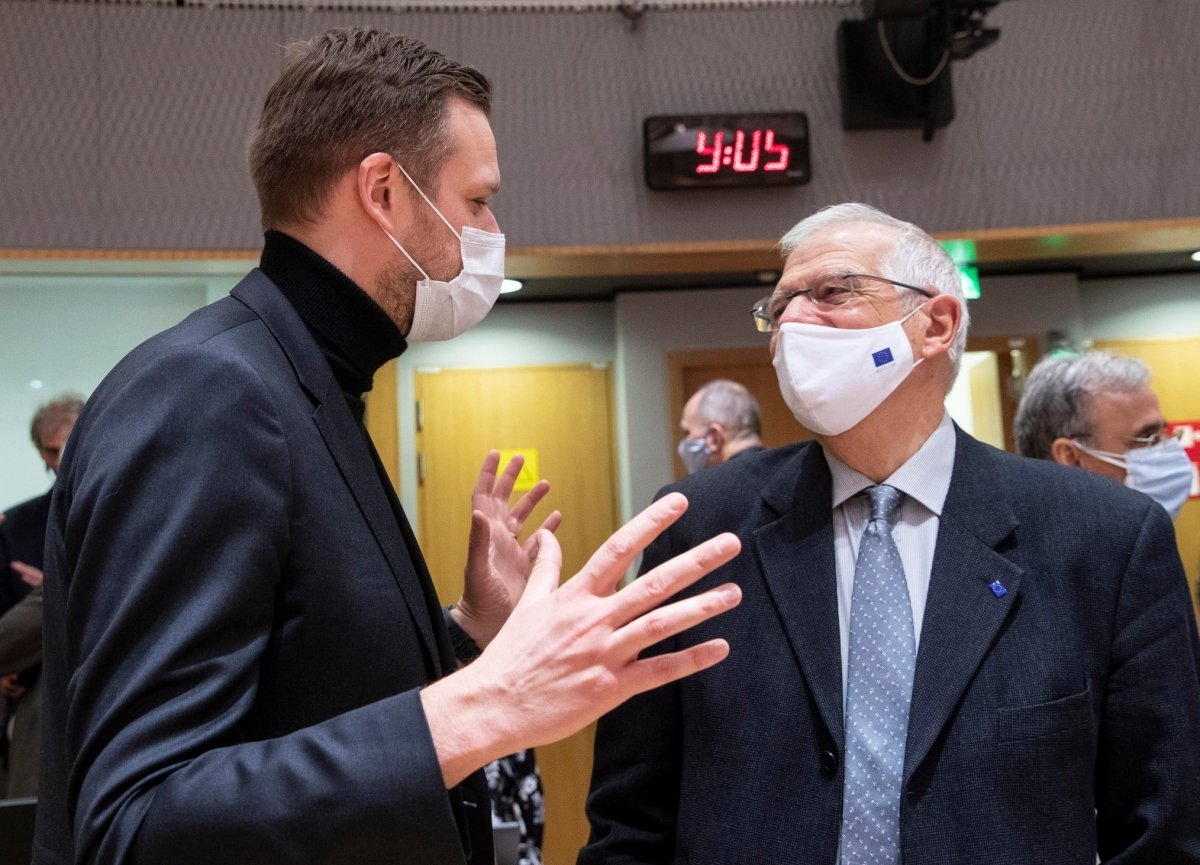
On 25 January, the Minister of Foreign Affairs of Lithuania Gabrielius Landsbergis attended the Foreign Affairs Council meeting. Ministers discussed the EU's response to the detention of Alexei Navalny, the strategy for sharing COVID-19 vaccines with our eastern partners, transatlantic relations in the light of the inauguration of the new U.S. President, the situation in Venezuela, Hong Kong, and other foreign policy issues.
When speaking about Russia’s opposition leader Navalny, Landsbergis stressed that the Kremlin’s obvious strategy was to eliminate all those who posed a threat to Vladimir Putin and that the EU should not limit itself solely to political statements about systematic human rights violations.
“The Kremlin is afraid that change is in the air. And Navalny, who almost died after being poisoned, symbolises the change that is expected by the people. We must react decisively to his detention. The EU must continue to discuss and reach a common agreement on restrictive measures against those responsible for the detention of Navalny. Human rights violations can neither be tolerated in Moscow, nor Minsk, nor Hong Kong," said Lithuania's Foreign Minister said, who called for using a new instrument - the EU's global human rights sanctions regime - to that end. The Foreign Minister stressed that the EU must continue to maintain a balanced and principled policy towards Russia.
As regards COVID-19 vaccines, the Foreign Minister noted that the EU must not only effectively address the issue of vaccination of its population, but also help our eastern partners secure access to COVID-19 vaccine.
“Our eastern partners need a functioning EU mechanism, which would send them a strong message of political support. This is a matter of geopolitical significance,” said the Foreign Minister.
At a virtual meeting with the Japanese Minister for Foreign Affairs Toshimitsu Motegi, Ministers discussed geopolitical challenges in the Indo-Pacific region. On behalf of Lithuania and Latvia, Landsbergis voiced his concerns about the especially close cooperation between China and Russia, hybrid threats, and highlighted the balancing role of the EU-Japan cooperation in ensuring regional security, as well as the importance of transatlantic cooperation.
The Council adopted conclusions on climate and energy diplomacy. In its conclusions, the Council recognises that climate change is an existential threat to humanity. It acknowledges that although Europe is showing leadership and setting an example by stepping up its domestic commitments, there is an urgent need for collective and decisive global action. The Council also notes the intrinsic link between climate change and security and defence, and the need to strengthen and mainstream work on the climate and security nexus.
Social media


