


LITHUANIAN FOREIGN VICE-MINISTER URGES EUROPEAN UNION TO HELP UKRAINE STAY ON PATH TO EUROPE
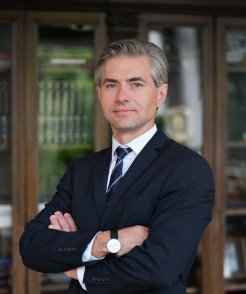
On May 14 in Brussels, Lithuanian Vice-Minister of Foreign Affairs Evaldas Ignatavičius called on the EU Foreign Ministers to seek engaging Ukraine into European processes, so that the confidence crisis would not be escalated.
“Aiming to help Ukraine stay on the European path of reforms we should open doors to cooperation and dialogue, so that we would share all the necessary knowledge at the highest level,” Ignatavičius said at the working meeting of Nordic and Baltic Foreign Ministers prior to the EU Foreign Affairs Council.“Isolating Ukraine would be the easiest way. It is more difficult to propose way out,” The Vice-Minister noted.
EU Foreign Ministers are discussing relations with Ukraine in the light of approaching European Football Championship and parliamentary elections. The Vice-Minister informed about the meeting of President of Lithuania Dalia Grybauskaitė with the convicted former Prime Minister Yulia Tymoshenko in hospital, and the meeting with President Viktor Yanukovych on May 11.
Ignatavičius stressed that the situation in Ukraine raised serious concerns, but the EU-Ukraine association agreement, which was drafted last year and initialled on March 30 this year, was the most important stimulus for Ukraine to carry out reforms and to stand close to European values. Therefore, its signing should not be postponed indefinitely. Whether Ukraine itself is ready to abide by the spirit of this agreement, we will be able to judge when the country ensures transparent parliamentary elections in October.
“The association agreement is the key instrument available to us. It has been proved that such agreements encourage reforms. It is not a gift to Ukrainians, it is a reform plan and its driving force,” Vice-Minister said.
Ignatavičius stressed that respect for human rights should be required not only from Ukraine, but also from other EU partners. If the EU were to be united, consistent and firmly committed to its goals, the EU-Russia Summit in June could give an essential impetus to the EU-Russia relations for addressing topical issues related to energy, trade cooperation and drafting of a new partnership and cooperation agreement.
According to Ignatavičius, it should be stressed to Russia at the meeting that the construction of unsafe nuclear power plants while violating international practice and breaching legal requirements was unacceptable. “Mistakes in the field of nuclear energy would be too painful,” the Vice-Minister said.
The Foreign Affairs Council discussed the Middle East peace process, the situation in Syria and Libya and the preparation for the EU-Mexico Summit. As the NATO Summit in Chicago is approaching, the ministers also confirmed the EU’s commitment to implement long-term projects aiming to aid Afghanistan also after 2014, when the responsibility for the country’s security would be transferred to the Afghan security forces.
Social media


