


LITHUANIAN FOREIGN VICE-MINISTER CALLS ON THE EUROPEAN UNION TO OPEN UP MORE IN RESPONSE TO THE PROGRESS OF ITS EASTERN PARTNERS
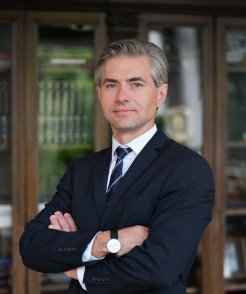
At the consultations of the three Baltic States, Austria, Slovenia, and Croatia in Luxembourg on 15 October, Lithuanian Vice-Minister of Foreign Affairs Vytautas Leškevičius said that the European Union should take further steps to strengthen Ukraine’s European integration, if this country held elections meeting international standards.
“The international community will be assessing Ukraine’s democratic maturity according to the results of the parliamentary elections. The European Union has to be ready to respond to the progress of Ukraine and take further steps, i.e., sign Association Agreement, including a Deep and Comprehensive Free Trade Area, and agree to start applying some provisions even before their entry into force,” Leškevičius said.
Lithuanian Foreign Vice-Minister also called on the European Union to continue supporting Georgia’s European aspirations in order to maintain the momentum in negotiations.
“We are reassured that Georgia is prepared to stay on the path to European and Euro-Atlantic integration. We have to be firmly committed to continue to fully support Georgia’s efforts of integration. We must aim to continue the European Union’s speedy negotiations with Georgia of an Association Agreement, including a Deep and Comprehensive Free Trade Area, and conclude it until the Eastern Partnership Summit in Vilnius in 2013,” Leškevičius said.
The Vice-Minister stressed that elections in Georgia were held in line with democratic standards and set an example of transfer of power for the entire region to follow. Leškevičius called on the EU to establish contacts with the new authorities as soon as possible.
The meeting, which was held on the margins of the EU’s Foreign Affairs Council, discussed also other issues related to the Eastern Partnership initiative. Lithuanian Foreign Vice-Minister called for adhering to the EU position that would take into consideration the region’s characteristics and would encourage Eastern Partnership countries to continue democratic reforms.
Participants of the consultations also discussed issues related to Kosovo and Serbia, Bosnia and Herzegovina, and the EU’s sanctions policy.
Social media


