


LITHUANIAN FOREIGN VICE-MINISTER CALLS ON EU TO ADEQUATELY FINANCE COHESION PROGRAMMES FOR BALTIC STATES, AGRICULTURE AND DECOMMISSIONING OF IGNALINA NPP
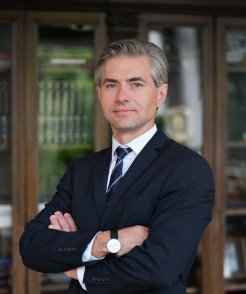
On June 11 at the informal meeting of the EU General Affairs Council in Aarhus, Denmark, Lithuanian Vice-Minister of Foreign Affairs Vytautas Leškevičius stressed the need during the negotiations on the EU multiannual financial framework to take into consideration the proposals regarding the financing of cohesion, common agricultural policy and the decommissioning of the Ignalina nuclear power plant.
“The crisis is not yet over in the European Union, therefore, it is particularly important to keep focused on the areas, which would mostly reduce the gap between the EU regions, promote growth and job creation. The greatest attention must be given to the countries that were most affected by the crisis and have very high degree of EU funds absorption,” Leškevičius said.At the meeting, the EU Ministers for European Affairs and representatives from EU institutions discussed the progress achieved in drafting the key document – the negotiating box – of the negotiations on the EU multi-annual budget.
The Vice-Minister reminded the participants of the meeting that it was proposed to allocate not enough direct payments to farmers in Lithuania and other Baltic states. According to him, this did not contribute to a more equal prosperity in the EU. Therefore, new solutions were required in this socially sensible sphere.
Leškevičius also reminded the participants about the EU commitments to ensure adequate and sustainable financing of the decommissioning of the Ignalina nuclear power plant (NPP). The Foreign Vice-Minister noted that the fixed support for the decommissioning of the Ignalina NPP was not limited in time in the Treaty of Accession of Lithuania to the EU.
Further negotiations on the EU budget for 2014-2020 will take place on June 26 at the EU General Affairs Council and on June 28-29 in the European Council.
Leškevičius thanked the EU member states, which noted that Lithuania and other Baltic states set an example of responsible fiscal policy and had a high degree of absorption of EU funds. Lithuanian representative also stated that allocation of sufficient EU financial support to the Baltic countries was an important precondition for smart and sustainable growth and job creation.
Social media


