


LITHUANIAN FOREIGN MINISTER IN CYPRUS UNDERLINES THE IMPORTANCE OF INITIATIVES AIMED AT CREATING A COMMON EUROPEAN HISTORICAL MEMORY
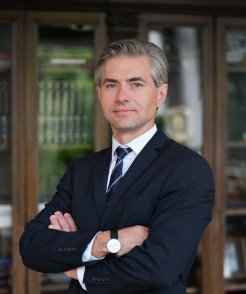
At an informal meeting of EU foreign ministers (Gymnich) on 7 September in Paphos, Cyprus, Lithuanian Minister of Foreign Affairs Audronius Ažubalis stressed the importance of education of the younger generation when creating a common European historical memory.
Head of the Lithuanian diplomacy emphasized the importance and necessity to further develop such initiatives as the Platform of European Memory and Conscience, which aim to create a common European historical memory.
According to Ažubalis, this is extremely important aiming to perpetuate the memory of all the victims of totalitarian regimes.
“A common European memory is becoming an integral part of the European political agenda. It is necessary to continue to inform Europe, evaluate and understand not just Nazi crimes, but also the crimes of the Communist regimes,” the Minister said.
He also called on the EU countries to continue to support the European Humanities University, a Belarusian university in exile based in Vilnius, as it fosters democratic values.
During the discussion on cooperation on water issues, Ažubalis called on the EU to more actively engage in a dialogue of Lithuania, Belarus and Russia on nuclear safety issues.
“The water of the two largest Lithuanian rivers - Nemunas and Neris - will be used to cool down the reactor of the Kaliningrad nuclear power plant (NPP) in Russia, as well as the reactor of the Belarusian NPP. Both nuclear power facilities are being constructed at the external borders of the European Union. Lithuania has not yet received any answers to questions about possible environmental effect and consequences in case of an emergency,” the Foreign Minister said.
According to him, the EU should pay attention to the non-transparent projects in its neighbourhood that are carried out in breach of international standards and pose a threat to the EU environment.
When discussing the EU foreign policy and situation in Syria, Ažubalis stressed a common position of Lithuania and the Nordic and Baltic countries, set out in the statements of the Group of Friends of the Syrian People in Tunisia, Istanbul and Paris.
According to the Minister, Syrian President Bashar al-Assad was responsible for the deaths of civilians and should be tried at the International Criminal Court.
Social media


