


LITHUANIA SUPPORTS MUTUAL LIBERALIZATION OF MARKETS OF AGRICULTURE AND MANUFACTURED GOODS
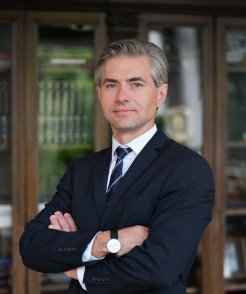
On 18 July, during the extraordinary meeting of General Affairs and External Relations Council (GAERC) of the European Union, Vice-Minister of Foreign Affairs of the Republic of Lithuania Jaroslav Neverovič and other Ministers of the EU Member States discussed the process of the Doha Round negotiations of the World Trade Organization (WTO) and negotiation guidelines for the European Commission, which it should follow at the WTO meeting of trade ministers, starting on 21 July in Geneva.
The purpose of week-long negotiations in Geneva is to confirm the agreements regarding the opening of the markets of agriculture and manufactured goods, also to agree on the liberalisation of the services market.
The positions of the WTO countries have not been adjusted yet regarding the liberalisation of the markets of agriculture and manufactured goods. This has not allowed for concluding a new world trade agreement for several years in a row. The scope of this agreement should include the liberalisation of agriculture, manufactured goods and services market, and should also set new rules for trade, customs procedures and requirements for the protection of intellectual property rights.
Lithuania expressed concern about the situation of negotiations, pointing out the position that not only the developed, but also the developing countries should open their markets for Lithuanian exporters of goods and services. Only in such case Lithuania shall be able to approve of the results of negotiations. The opening of the market for manufactured goods has to create new access to the markets of economically advanced developing countries (Argentina, Brazil, India, China, etc.).
During the negotiations on agriculture, Lithuania stressed that the European Union could not concede unilaterally, especially in reducing duties for sensitive products (pork, poultry, sugar, butter). Lithuania demanded that not just the EU, but also other countries should eliminate all forms of support for agriculture export in parallel.
The attitude of Ireland, Austria, Greece, Spain, Italy, Cyprus, Poland, Portugal, Romania, Slovakia and Hungary was similar to that of Lithuania.
Social media


