


LITHUANIA CONSISTENTLY SUPPORTS THE IMPLEMENTATION OF HUMANITARIAN LAW NORMS IN THE AREA OF CONVENTIONAL WEAPONS
On 21 October in New York, during the United Nations General Assembly debates on the issues of disarmament measures and international security, Lithuania presented the results of its year-long chairmanship over the Protocol on Explosive Remnants of War to the Convention on Certain Conventional Weapons and its efforts to encourage as much as possible the accession of the new states parties to this important Protocol and its implementation in the world.
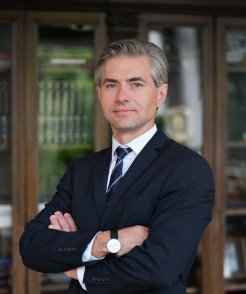
Permanent Representative of Lithuania to the United Nations Office and other International Organizations in Geneva, President-designate of the Second Conference of the Protocol on Explosive Remnants of War, Edvardas Borisovas informed that the number of states parties to the Convention has increased to 108. He highlighted the success of the support unit and suggested establishing a secretariat for strengthening the implementation of the Convention.
Lithuania is among the ten supporters for the implementation of the Convention and a coordinator of the support unit.
Our country is a consistent and active supporter of the implementation of principles and norms of the humanitarian law in the area of conventional weapons, a participant in the International Mine Action and a donor.
Currently Lithuanian also chairs the International Committee for Mine Clearance of the International Anti-Personnel Mine Ban Treaty.
Lithuania was one of the first in the region and the world to prepare its national program for evaluation of the pollution of the territory and of clearance of explosive remnants of war. This program is being implemented by the Engineering Battalion of the Lithuanian Armed Forces and local municipalities.
The Convention on Certain Conventional Weapons and its five Protocols regulate or prohibit the use of inhumane weapons. Currently the negotiations regarding the sixth Protocol are under way. This Protocol would regulate the use of cluster mines.
Social media


