


Linkevičius: the OSCE has to look for new solutions to the Russia-Ukraine crisis
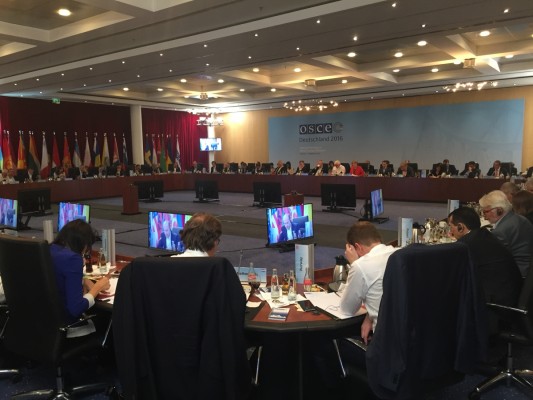
In the ongoing informal OSCE Foreign Ministers’ Meeting on 1 September in Potsdam, Germany, the Minister of Foreign Affairs of Lithuania Linas Linkevičius drew attention to the lack of progress in finding a solution to the conflict between Russia and Ukraine, and called for maintaining the issue as a priority item on the OSCE’s political agenda.
“Despite active efforts of the entire international community, especially those of the Normandy Four countries, we see no progress in the implementation of the Minsk agreements. Every day we get new reports of extensive violations of the ceasefire and civilian death toll. It is evident that the conflict continues, therefore, we must continue political debates and further look for causes and possible solutions to the security crisis. We must also review the OSCE’s role and existing progress in resolving the conflict peacefully,” stressed the head of Lithuania’s diplomacy.
Lithuania’s Foreign Minister also voiced his concerns over Russia’s recent provocative actions in the illegally annexed Crimean peninsula. According to him, through such actions Russia aims to discredit Ukraine at the international level and to direct attention away from its own illegal actions in eastern Ukraine and Crimea.
“These provocations were carried out utilising methods of media disinformation. I am convinced that the OSCE should take up a more active role in the fight against the propaganda, especially in fuelling hatred or war,” emphasized Linkevičius.
In Potsdam, the OSCE Foreign Ministers are discussing the key challenges ahead for the European security architecture – conflicts in the OSCE region, including Russia’s aggression against Ukraine, migration and refugee crisis, the fight against terrorism and radicalisation, as well as matters of arms control.
The OSCE is a regional security organization with 57 participating States in Europe, North America and Central Asia. Germany is the Chair of the OSCE this year.
Social media


