Landsbergis: “Economic coercion is no longer just a hypothetical threat but a reality that many of our nations are forced to confront"
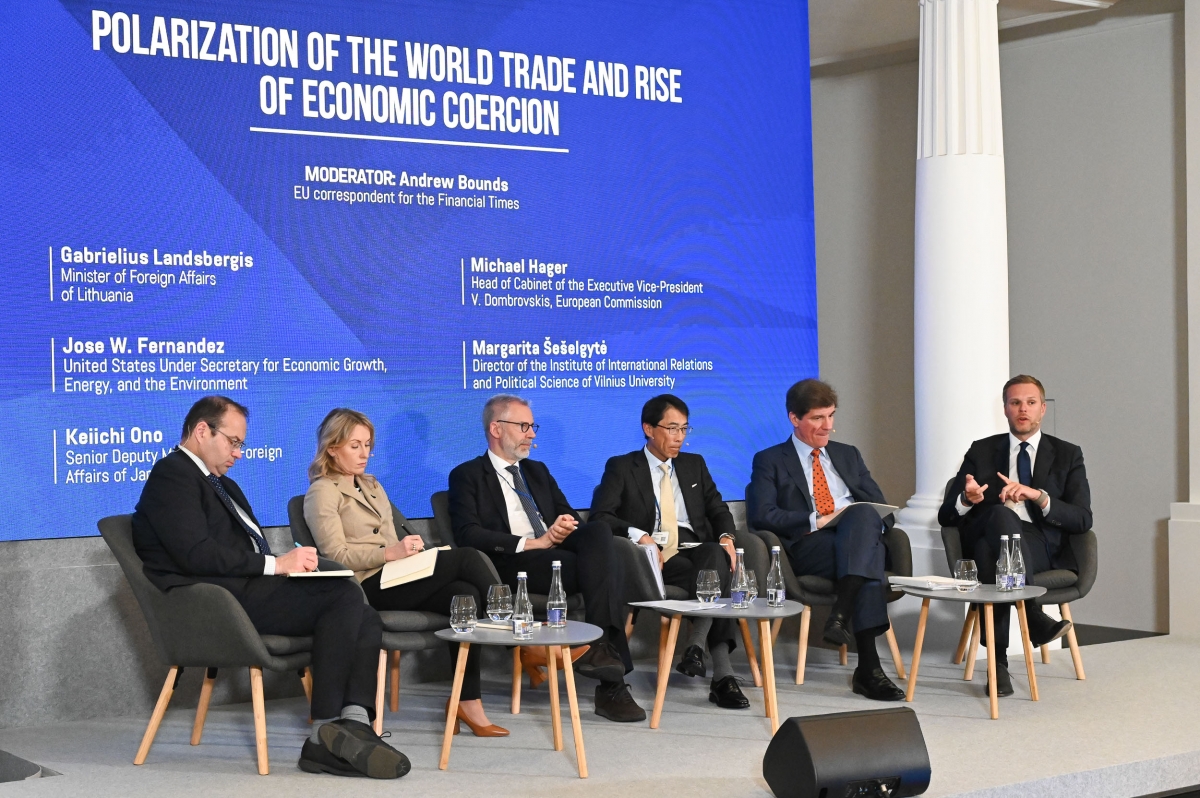
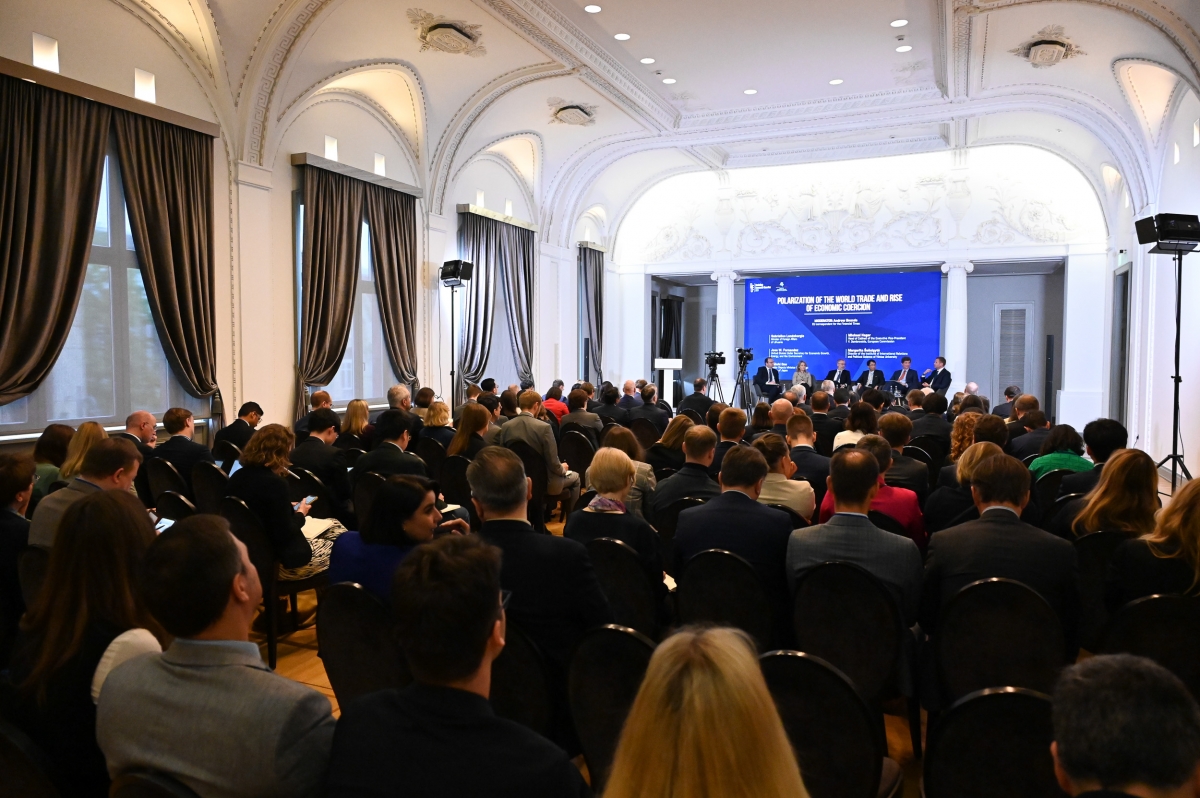
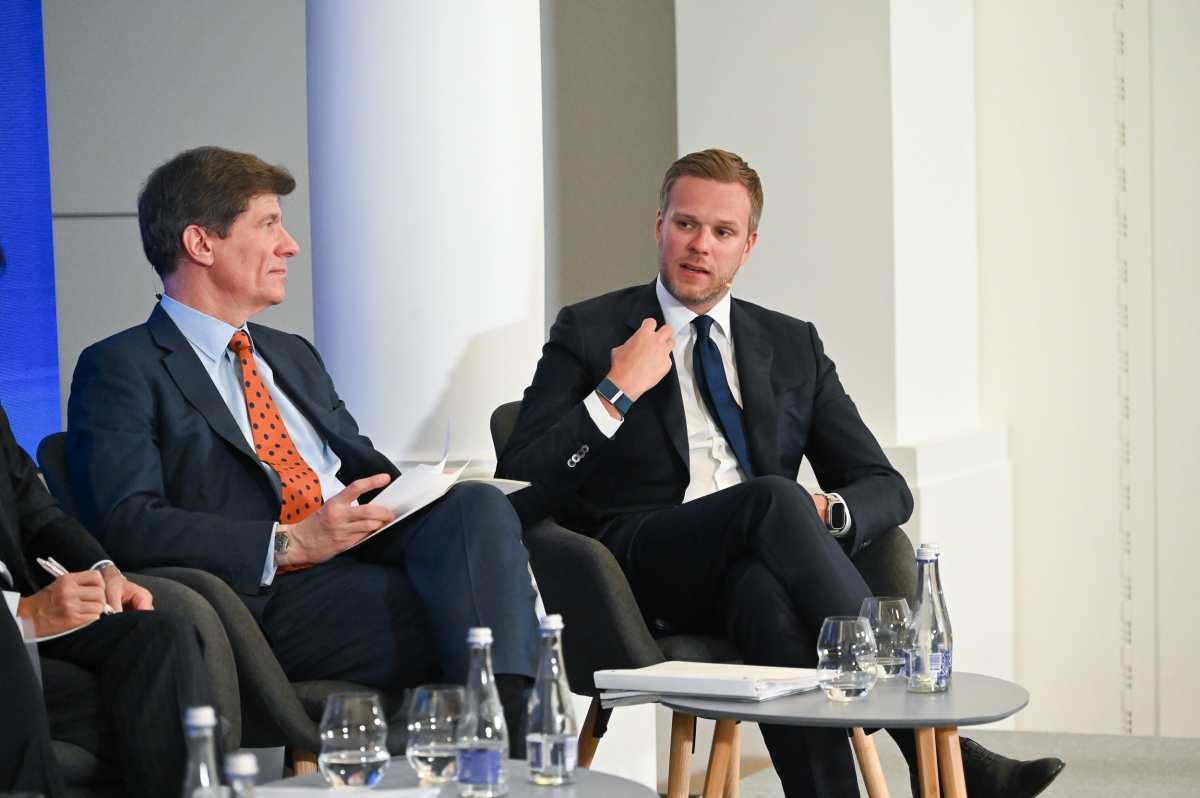
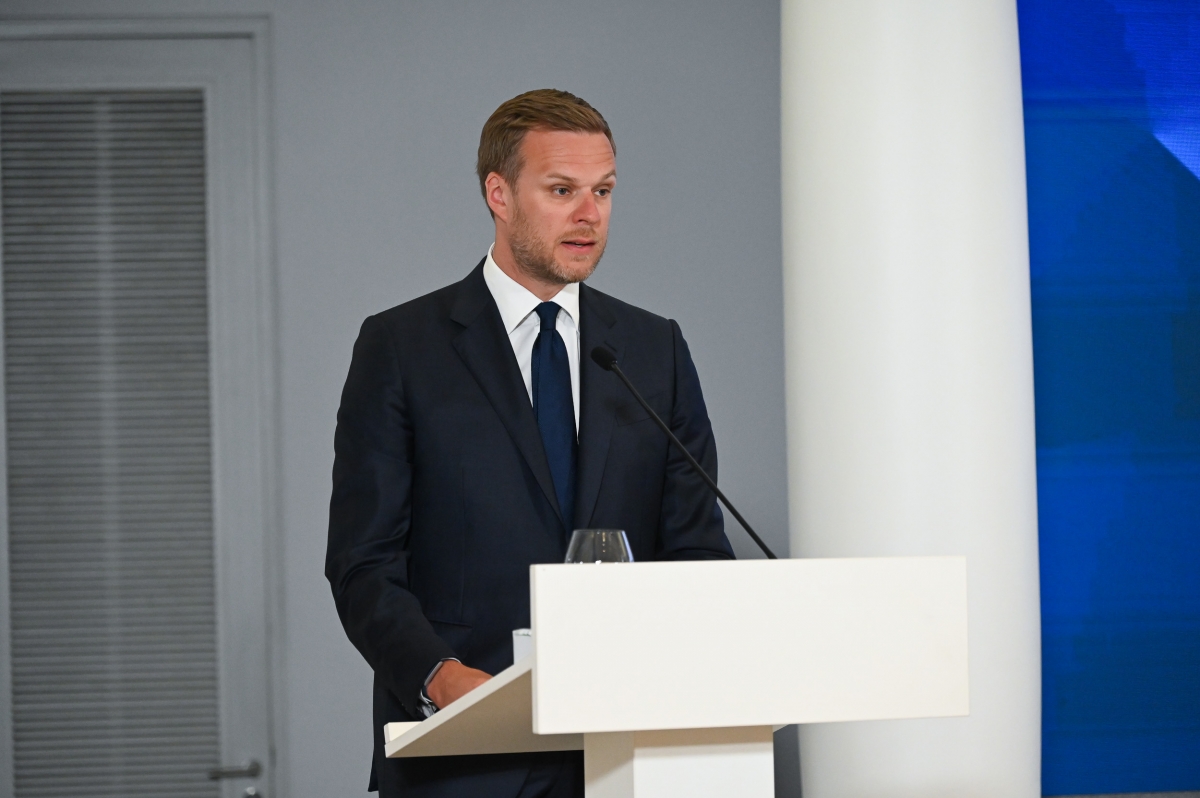
On May 6, Lithuania’s Minister of Foreign Affairs, Gabrielius Landsbergis, opened an international conference titled “Building resilient economy and resisting economic coercion.” The conference aims to draw attention to the increased use of economic coercion and discuss the need for closer international cooperation and political means in response.
In his speech of congratulations, the head of Lithuania’s diplomacy stressed that Lithuania was well aware of economic coercion because Russia had used it against the country for decades. In recent years, we have also experienced it from another largest country in the world - China. Economic coercion, like military force, undermines the rules-based international order.
“Today, as Russia's war of aggression rages in Ukraine and tensions around the world are at a breaking point, this order is questioned by those who feel that size and military arsenals entitle them to be above the rules. Economic coercion that these actors use to pursue their interests is no longer a hypothetical threat but a reality that many of our nations are forced to confront. Therefore, this conference is a much-needed step to help the international community mount an effective defence of the rules-based order,” Landsbergis said.
You can watch the conference “Building a resilient economy and resisting economic coercion” live here
The events on the first day of the conference at the Merchant's Club in Vilnius will be public. During high-level panel discussions, international policymakers and representatives of business and academic communities from the European Union, the USA, Japan, Australia, and other countries will discuss the increasing use of economic coercion and the need to strengthen international cooperation to combat it.
Lithuania's Minister of Foreign Affairs, Gabrielius Landsbergis, and Costa Rican Minister of Foreign Trade Manuel Tovar Rivera, U.S., will attend the conference, as well as the Under Secretary of State Jose W. Fernandez, Japanese Senior Deputy Minister for Foreign Affairs Keiichi Ono, Michael Hager, Head of Cabinet of the Executive Vice-President of the European Commission Valdis Dombrovskis, Eduard Hulicius, Deputy Minister of Foreign Affairs of the Czech Republic, Bernd Lange, Chair of the Committee on International Trade of the European Parliament, and Žygimantas Pavilionis, Chairman of the Seimas Committee on Foreign Affairs.
The second day of the conference will be held by the rules of Chatham House. It will be reserved for experts from EU institutions, the OECD, national administrations, who will discuss foreign and security policy recommendations on combating economic coercion.

Social media