


IT IS NECESSARY TO KNOCK DOWN WALLS SEPARATING NEW AND OLD EU MEMBER STATES SINCE THE TIMES OF THE SOVIET UNION, LITHUANIAN FOREIGN VICE-MINISTER SAYS
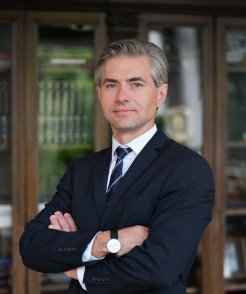
During the conference marking the 20th anniversary of the dissolution of the USSR at the European Parliament on 7 March, Lithuanian Vice-Minister of Foreign Affairs Egidijus Meilūnas stressed that the EU membership opened new possibilities for Lithuania and other post-Soviet countries, all physical barriers were removed, but the Baltic States remained an energy island in Europe.Moreover, according to the Vice-Minister, travelling from Vilnius to Warsaw or from Warsaw to Berlin still takes longer than one might expect in the 21st century.
The Group of the European People’s Party hosted the conference entitled “Life after the Soviet Union” marking the 20th anniversary of the collapse of the USSR.Participants of the event discussed transformation of post-Soviet states, walls between them, inhabitants and their identity issues, also EU challenges that are particularly important to Lithuania.
Many of the speakers underlined the role of Lithuania and other Baltic states in the fall of the totalitarian Soviet regime, their self-sacrificing struggle for freedom and independence.
Meilūnas reminded to the participants of the event that during the Soviet times contacts with foreign countries were very limited, which is why Eastern and Central European countries had underdeveloped cross-border infrastructure, especially in the fields of transport and energy.
“It is necessary to make every effort to eliminate the divide between old and new EU member states as soon as possible. For that purpose it is especially important to adequately fund common policies, in particular in the fields of cohesion and agriculture, also to prompt the implementation of cross-border transport and energy projects,” the Vice-Minister said.
Participants of the conference noticed that the totalitarian regime had caused considerable damage to the mentality of people in post-Soviet countries. Therefore, it is necessary to launch various educational initiatives for the younger generation, to inform them about the totalitarian regimes, in every detail in order to prevent any such crimes from happening again in the future.
Member of the European Parliament, Chairman of the EPP Group Joseph Daul opened the conference, and Member of the European Parliament from Latvia, head of the Reconciliation of European Histories Group Sandra Kalnietė was one of the moderators of the event.
At the event, Lithuania was represented by Member of the European Parliament Radvilė Morkūnaitė-Mikulėnienė, who also gave a speech. Ex-President of the European Parliament Jerzy Buzek also welcomed the participants.
The event was attended by members of European and national parliamentarians, representatives of academic community, mass media and non-governmental organizations.
Social media


