


INFORMAL MEETING OF THE EU FOREIGN MINISTERS: UNDERSECRETARY OF LITHUANIAN MINISTRY OF FOREIGN AFFAIRS INDICATED THAT IT WAS IMPORTANT TO HAVE A CONSOLIDATED EU POSITION ON RUSSIA
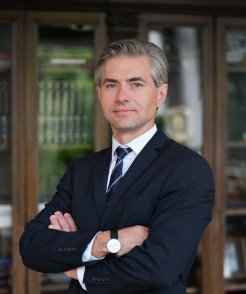
During an informal meeting of the EU Ministers of Foreign Affairs (Gymnich) on 7 September in Viana do Castelo, Portugal, Undersecretary of Lithuanian Ministry of Foreign Affairs Laimonas Talat-Kelpša indicated that a consolidated EU position vis-à-vis Russia was necessary in case we wished to have results rather than a process. The Lithuanian diplomat drew the attention of the representatives from the EU Member States to the fact that lately the EU-Russia summits more and more seldom produced the desired results.
According to the Undersecretary of the Ministry, sometimes it seems, that there are efforts to create an impression of differentiation between those EU members who allegedly do not want cooperation with Russia and those who want it.
“I can assure you that this is not the case. Lithuania, the same as other EU Member States, want good relations with Russia”, L.Talat-Kelpša said.
In the words of the Lithuanian diplomat, there is a need for a wider discussion on the problems of individual Member States in the context of their relations with Russia. The entirety of the views of all 27 EU Member States would allow to get a more detailed picture and might allow to find a common solution to some of those problems, such as energy security and the need to diversify the energy supplies.
“There also are other topics to be discussed in the context the EU and Russia relations. One of these, for example, is the issue of free-of-charge visas for the residents of Kaliningrad. We have a paradoxical situation here: Russia is offering something, but we decline it. We could really work out a more effective, Schengen-compatible travel arrangement”, the Undersecretary of Lithuanian Ministry of Foreign Affairs told the Ministers.
The diplomat stressed that the EU must react to the assaults against EU citizens and diplomats, which take place in Russia. The persons directly involved, as well as the activists of the nationalist organizations, could be banned from entering the EU territory. Such a step would at the same time encourage the remnants of the Russian civil society, which believe in the morality of the EU.
L.Talat-Kelpša has once again emphasized the importance of the European Neighbourhood Policy, as well as the importance of the successful integration of Georgia, Moldova and especially Ukraine into the EU. In this context, it is important to introduce modifications in the EU visa policy towards Georgia and Moldova, the official said. According to him, we support the view that the EU has to express its clear position concerning the recent missile incident in Georgia.
At the meeting in Portugal heads of diplomacy also intend to discuss other issues that are on the agenda of the EU foreign policy – namely, the status of Kosovo, reform of the EU treaties, Middle East peace process.
Social media


