


IN VILNIUS, LITHUANIAN FOREIGN MINISTER MET WITH THE EU AMBASSADORS ACCREDITED TO LITHUANIA
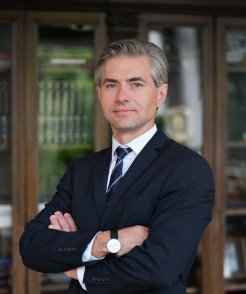
On 17 June in Vilnius, at the invitation of the Embassy of the Hungarian Presidency of the European Union, Lithuanian Minister of Foreign Affairs Audronius Ažubalis attended a meeting with heads of EU diplomatic missions, who reside in Lithuania and are accredited to our country.
A.Ažubalis thanked the Ambassadors for their efforts this year to organize the events that are dedicated to the 20th anniversary of the re-establishment of Lithuania’s diplomatic relations with foreign countries and positively assessed the intention of the majority of the EU countries to actively participate in the events of the Community of Democracies on June 30-July 1 in Vilnius.The Minister acquainted the Ambassadors with the achievements of Lithuania’s Chairmanship of the Organization for Security and Cooperation in Europe (OSCE) and the results of his, as the OSCE Chairman’s, recent visits to Central Asia, also with Lithuania’s plans for the preparation to the OSCE Ministerial Council meeting, which will be held in December in Vilnius.
The head of the Lithuanian diplomacy acquainted the representatives of the EU countries with major energy projects that are being implemented in Lithuania and once again drew their attention to the fact that in Lithuania’s opinion, planned nuclear projects in Lithuania’s neighborhood lacked transparency.
The Minister presented Lithuania’s position on further implementation of the EU Eastern Partnership initiative and on the situation in the participating countries. He expressed hope that the EU’s Eastern Partnership Summit in Poland this September would confirm that it was open to potential development, if both sides were ready.
A.Ažubalis thanked Hungary for a successful Presidency of the EU and stressed that this Presidency would go down in history, because during it the EU’s door was widely opened to Croatia. The Minister wished success in adopting and implementing the EU’s Strategy for the Danube, the objectives of which are: development of transport and infrastructure along the Danube River, improvement of maritime security, implementation of environmental projects, and strengthening of business and social contacts.
Social media


