


In Istanbul, Lithuania’s Foreign Minister underlines need to share responsibility aiming at efficient delivery of humanitarian aid
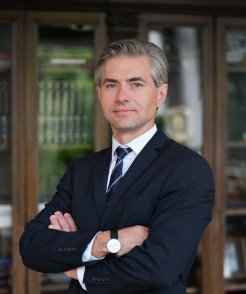
On 23-24 May, the Minister of Foreign Affairs of Lithuania Linas Linkevičius is participating in the first World Humanitarian Summit in Istanbul, which is dedicated to humanitarian assistance. When speaking at a plenary session, Lithuania’s Foreign Minister stressed that in the changing global context and increasingly complicated crises it was necessary to promote a real global partnership and share the responsibility aiming at efficient delivery of humanitarian aid.
Lithuania’s Foreign Minister also stressed the need to step up political efforts aimed at conflict prevention and resolution, because only by reducing the number and scope of conflicts could we also reduce the need and funding for humanitarian assistance.
Lithuania has committed to continue its active political leadership and efforts to resolve conflicts in the European Union’s Eastern neighbourhood, to promote compliance with international humanitarian law around the world, to contribute to the international effort by opening up opportunities for an increased participation of women in peace processes, and to continue providing humanitarian assistance.
Lithuania’s Foreign Minister informed the participants of the summit about the decision taken by the Ministry of Foreign Affairs of Lithuania to support the new Global Acceleration Instrument on Women, Peace, Security and Humanitarian Action, which was created by the United Nations, countries and civil society and which will receive a contribution of EUR 10 thousand this year.
The purpose of the summit is to take concrete steps to improve the humanitarian system, so that it will be able to address the mounting humanitarian needs of the 21st century.
Today, more than 125 million people around the world are in need of humanitarian aid and the number of forcibly displaced people is the highest for the first time since World War Two. The largest share of the humanitarian response is to be provided to people affected by conflicts.
During the two-day summit is attended by heads of state and government as well as leaders of international, regional and non-governmental organizations, and representatives of private sector, who support the United Nations Secretary General’s initiative to find a more effective way of reaching out to help the suffering.
Ahead of the summit, the UN Secretary General launched a report, which provides his ‘Agenda for Humanity’. The report calls on global leaders to commit to core responsibilities for action by member states: to prevent and end conflict; upholding the norms that protect humanity, by respecting the rules they have endorsed in international humanitarian and human rights law; leaving no one behind, by committing to reducing displacement; moving from delivering aid to ending need; and investing in humanity.
Social media


