


In Berlin, Budrys meets German Bundesrat representatives and presents Lithuania’s EU Council Presidency priorities
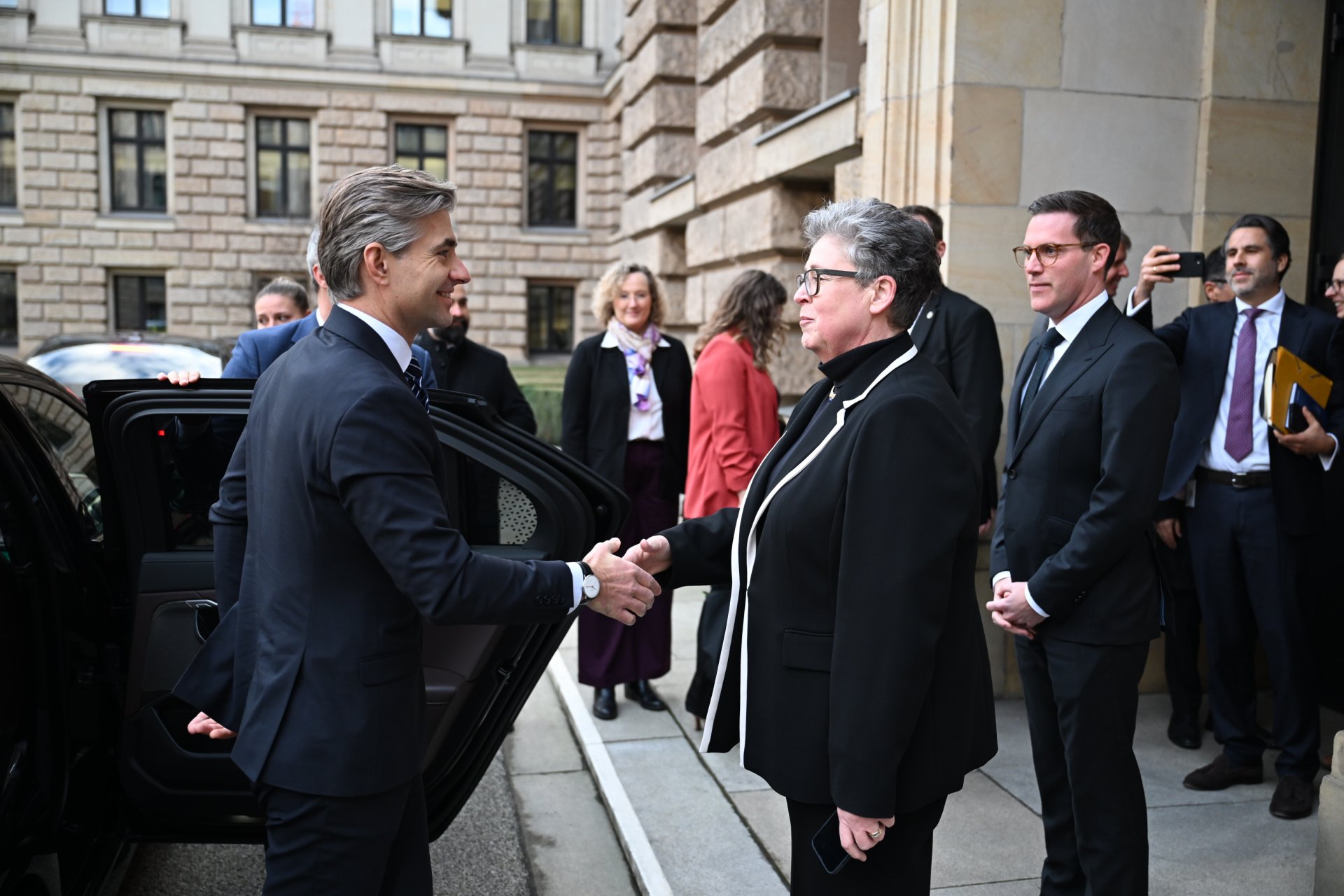
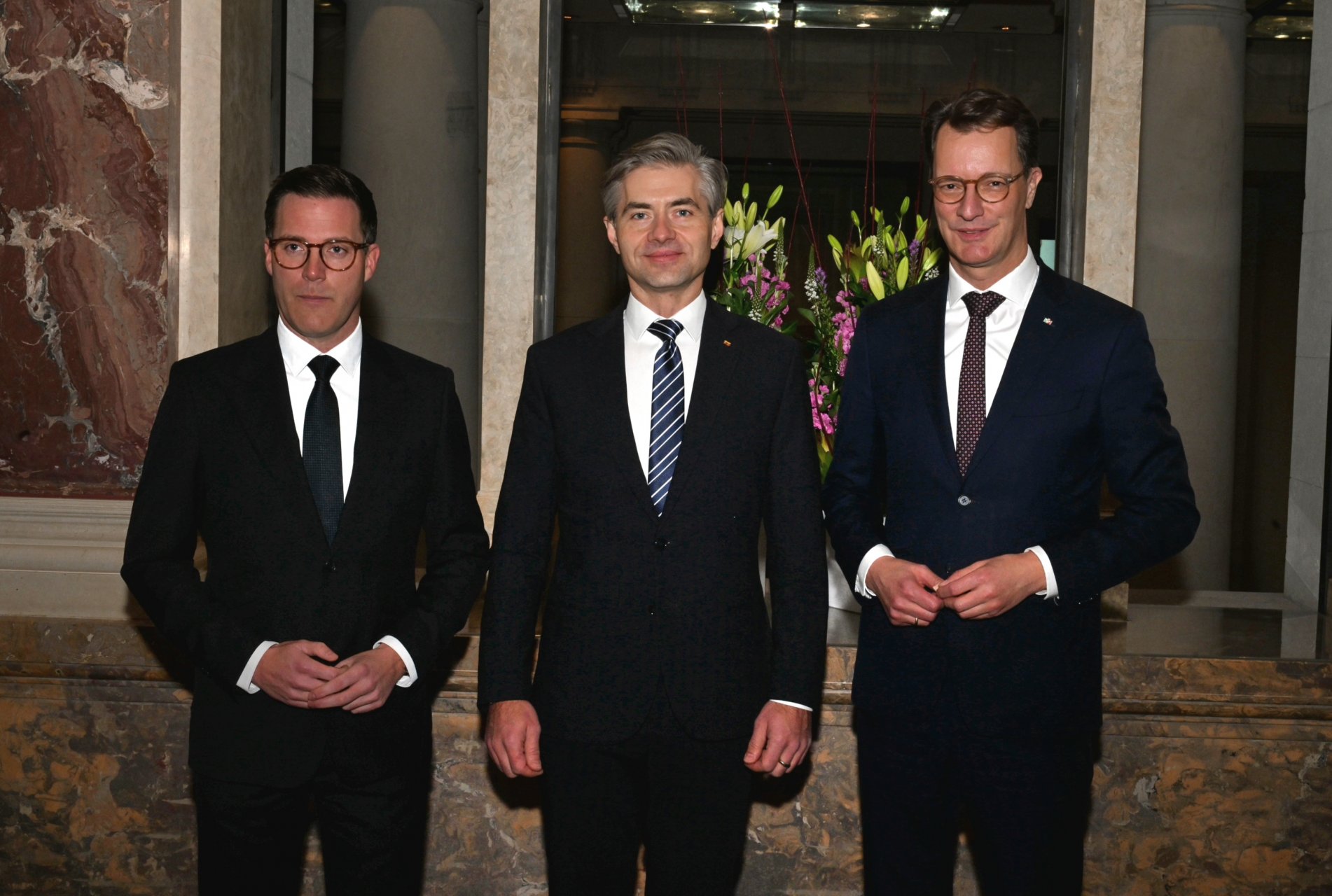
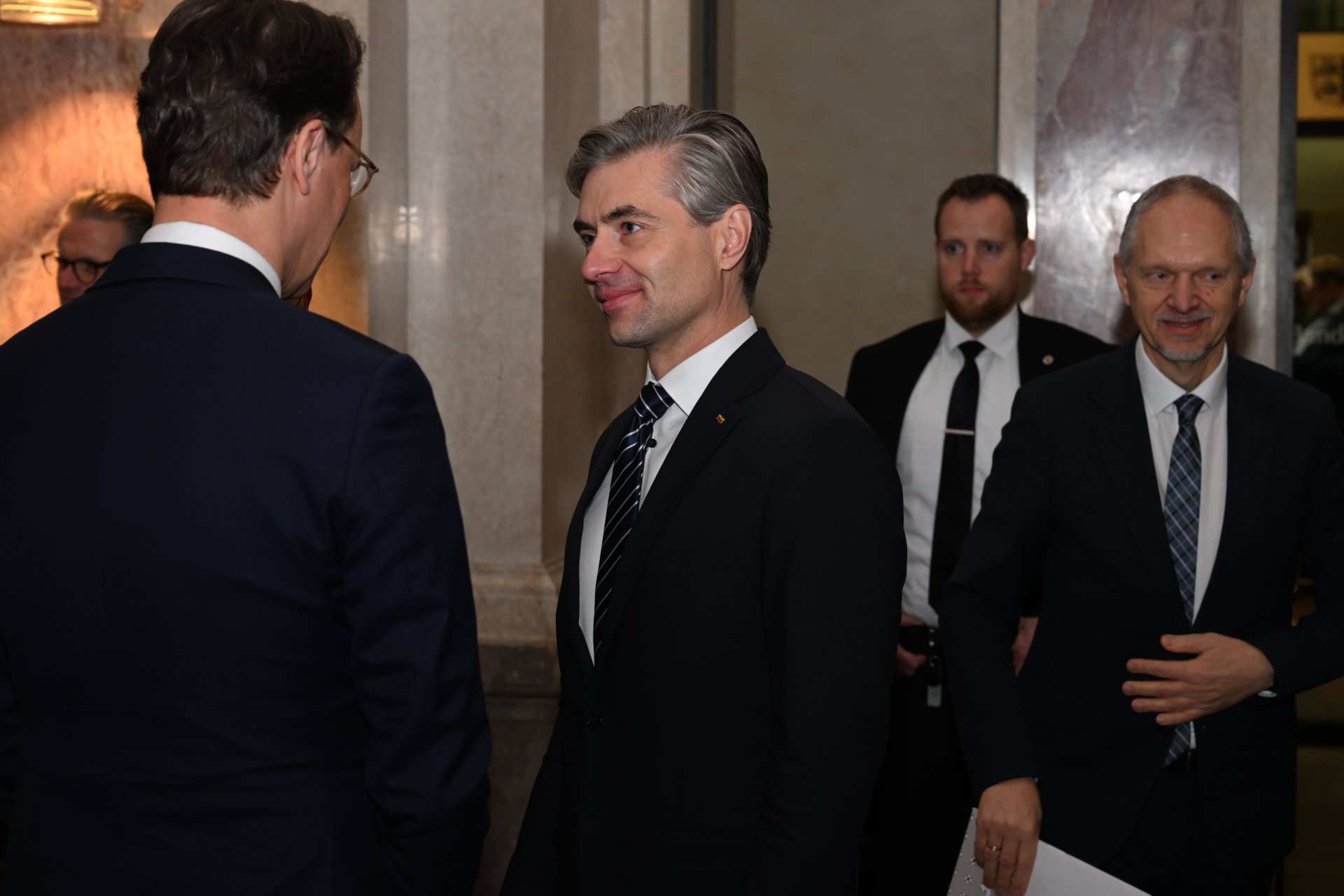
On 20 November in Berlin, Minister of Foreign Affairs Kęstutis Budrys met Manuel Hagel, Chair of the Committee on European Union Affairs of the German Bundesrat , and representatives of the federal states responsible for European and international affairs. During the meeting, the minister presented Lithuania’s preparations for its Presidency of the Council of the EU in the first half of 2027 and outlined the key priorities of the forthcoming Presidency.
On 20 November in Berlin, Minister of Foreign Affairs Kęstutis Budrys met Manuel Hagel, Chair of the Committee on European Union Affairs of the German Bundesrat , and representatives of the federal states responsible for European and international affairs. During the meeting, the minister presented Lithuania’s preparations for its Presidency of the Council of the EU in the first half of 2027 and outlined the key priorities of the forthcoming Presidency.
Minister Budrys stressed that close ties with Germany’s federal government and federal states are of great importance to Lithuania, given the active role of the Länder in shaping Germany’s positions on EU issues and contributing to common European decisions.
According to Budrys, Lithuania’s Presidency agenda will be shaped by today’s geopolitical realities: Russia’s war of aggression against Ukraine, growing hybrid threats, economic security challenges and the need to strengthen Europe’s competitiveness.
“Lithuania’s Presidency will take place at a pivotal time for Europe. Our aim will be not only to ensure a smooth legislative process, but also to bring Member States together around decisions that strengthen Europe’s security, resilience and capacity to act. Europe must be ready to defend its citizens, interests and values,” the minister said.
The meeting focused extensively on European security and defence. The Minister stressed that Europe must accelerate its efforts to meet defence readiness objectives, increase defence investment, strengthen its defence industry and close critical capability gaps.
According to Budrys, these efforts must be underpinned by a strong transatlantic bond, with NATO remaining the cornerstone of collective defence and cooperation between the EU and the Alliance being further strengthened.
“Germany’s decision to deploy a brigade to Lithuania is a historic step that clearly demonstrates that European security begins with taking responsibility for our collective defence. Germany’s leadership is particularly important today, both in strengthening NATO’s eastern flank and in mobilising Europe for sustained support for Ukraine,” Budrys said.
Turning to Ukraine, the Minister stressed the need to maintain long-term and sustained support for the country. During its Presidency, Lithuania will seek to ensure uninterrupted military, political and financial support for Ukraine, strengthen its defence capabilities and support progress towards EU membership. At the same time, efforts will continue to increase pressure on Russia and those enabling its aggression by ensuring the effective implementation of sanctions and combating their circumvention.
“Ukraine’s security is Europe’s security. We must maintain and strengthen our support for Ukraine while increasing pressure on Russia. We must also maintain the momentum of the enlargement process, as Ukraine’s and Moldova’s integration into the EU is an investment in the stability and security of Europe as a whole,” the minister noted.
Budrys also stressed that during its Presidency Lithuania will place particular emphasis on strengthening European competitiveness and geoeconomic security, protecting the EU’s external borders and enhancing social security.
According to Budrys, another key task for Lithuania’s Presidency will be negotiations on the EU’s 2028–2034 Multiannual Financial Framework, with the aim of ensuring sufficient funding to strengthen security, defence, economic resilience, innovation and European competitiveness.
Social media


