


EU MEMBER STATES STRESS THAT IT IS IMPORTANT NOT ONLY TO ASSUME NEW OBLIGATIONS, BUT ALSO TO MEET EXISTING OSCE COMMITMENTS
At the Ministerial Council of the Organization for Security and Co-operation in Europe (OSCE) on 5-6 December in Kyiv, the Foreign Ministers reaffirmed the Helsinki +40 process to map the OSCE’s future path.
The OSCE Ministerial Council adopted relevant decisions in the human dimension – those on the freedom of thought, conscience, religion or belief, and on improving the situation of Roma and Sinti in the OSCE area.
The OSCE Foreign Ministers welcomed decisions in the economic and environmental dimension, including those on improving the environmental footprint of energy-related activities and on the protection of energy networks from natural and man-made disasters.
The Ministers also made decisions in the politico-military dimension related to non-proliferation and transnational threats, and adopted a set of the OSCE confidence-building measures to reduce the risks of conflict stemming from the use of information and communication technologies.
“European Union welcomes the OSCE Ministerial Council decisions. At the same time the European Union stresses the need to implement fully both new and existing OSCE commitments,” the EU closing statement reads.
The 2014 Swiss Chairmanship of the OSCE stressed that the full implementation of OSCE commitments was the priority of its Chairmanship.
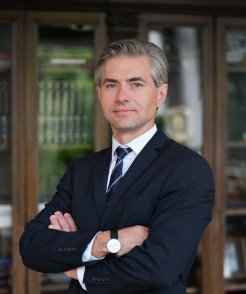
At the 20th OSCE Ministerial Council, Lithuania was represented by the Vice-Minister of Foreign Affairs of Lithuania Neris Germanas.
Meetings of the OSCE Ministerial Council are held by the OSCE Chairmanship. Ukraine holds the OSCE Chairmanship in 2013.
Social media


