


Cooperation in the field of connectivity discussed with eastern partners in Vilnius
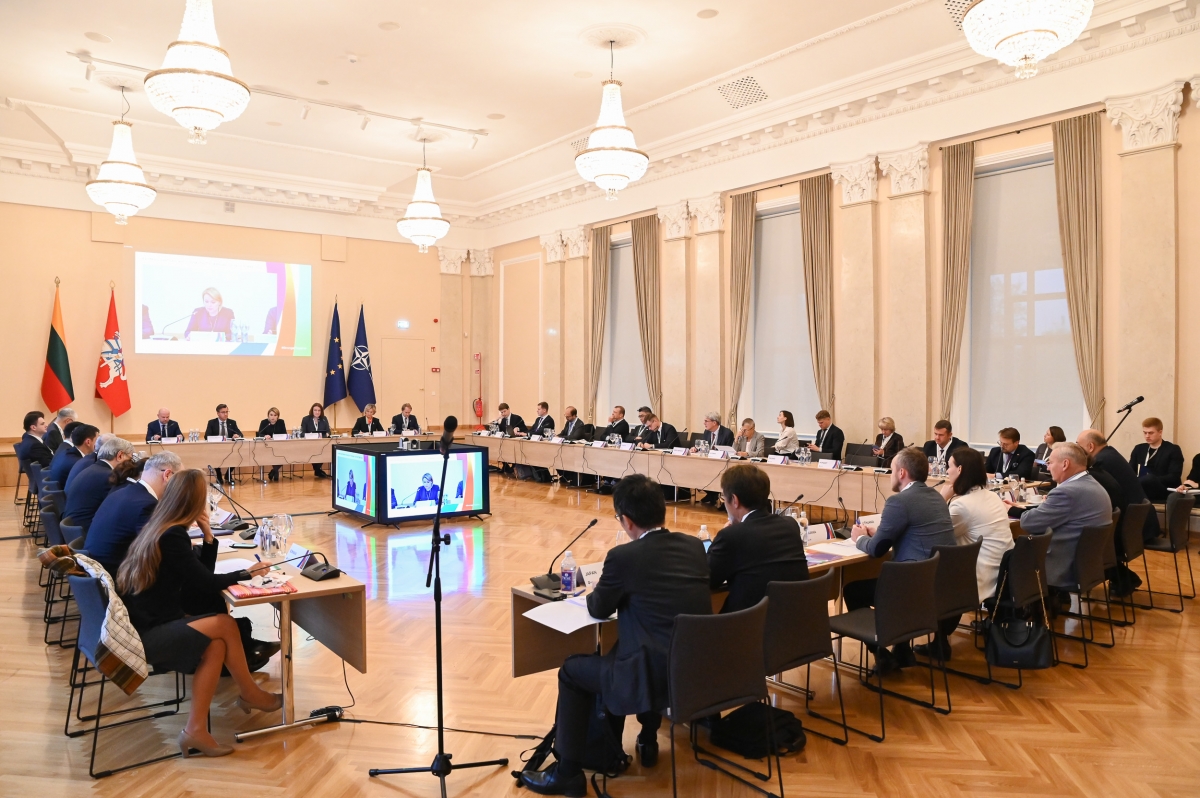
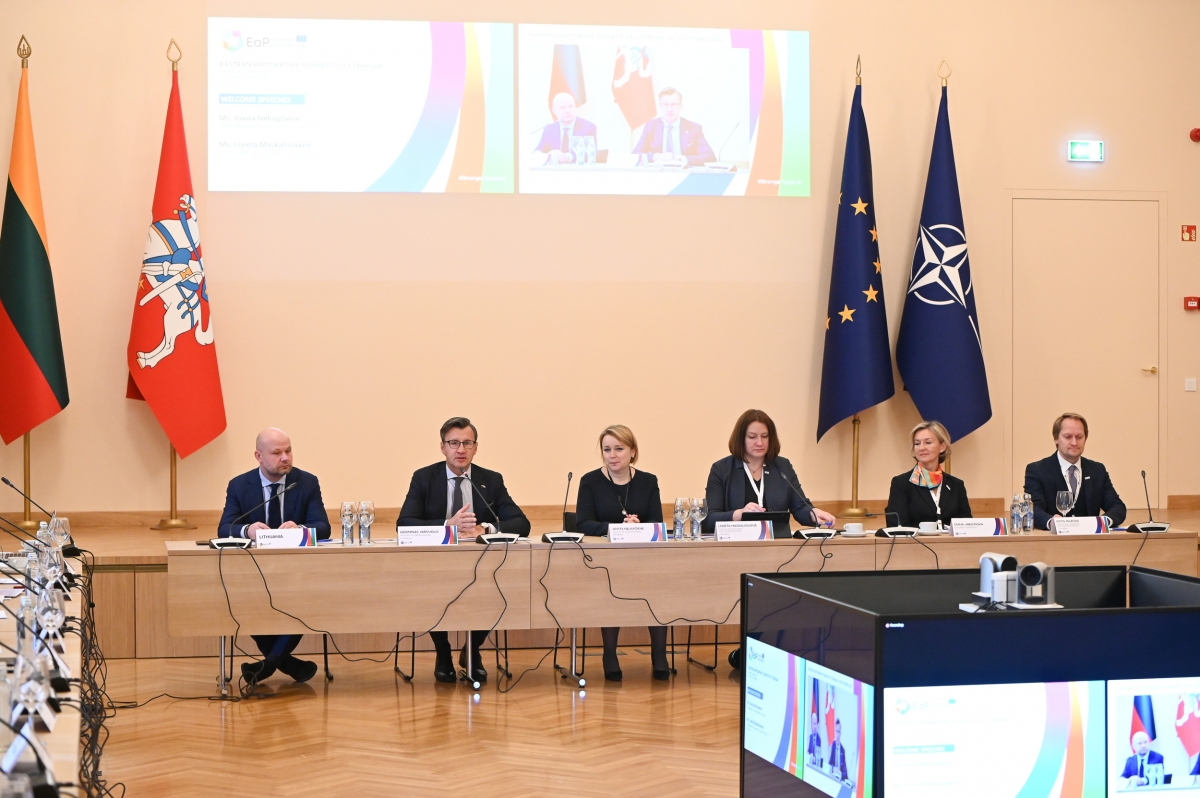
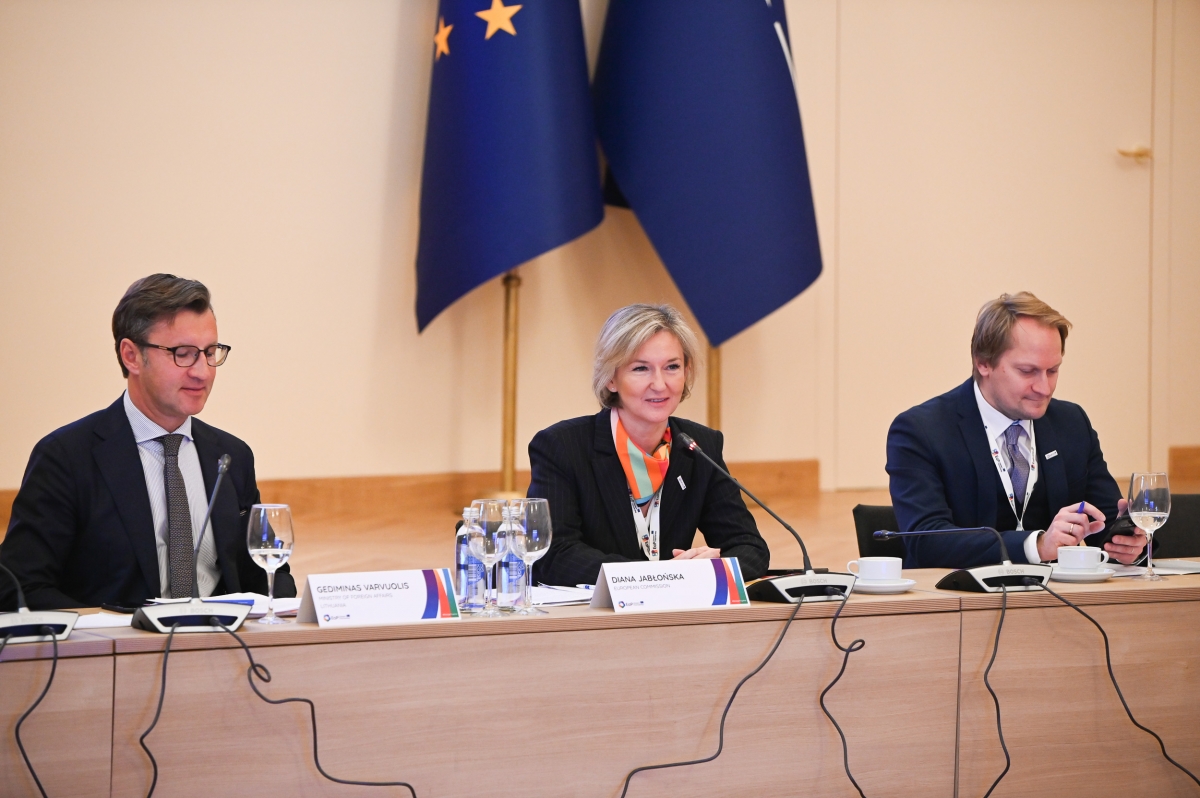
On 19 October, the European Union's Eastern Partnership Connectivity seminar was held at the Ministry of Foreign Affairs of Lithuania. The event brought together policy-makers and experts from EU institutions, EU member states, five eastern partner countries - Armenia, Azerbaijan, Moldova, Georgia and Ukraine - as well as Japan, the United States of America, the Three Seas Initiative Investment Fund, diplomatic corps and business representatives.
The Vice-Minister of Foreign Affairs of Lithuania Jovita Neliupšienė welcomed the participants. She was glad that the Eastern Partnership was among the most successful EU policies towards the eastern neighborhood and had to be continued with a particular focus on connectivity, regional and sectoral cooperation.
When discussing the consequences of Russia’s war against Ukraine and other challenges facing the region, the participants unanimously agreed on the importance of responding to these huge changes, reviewing the Eastern Partnership strategy and adapting it to new geopolitical trends. They also stressed that in the light of recent developments, the Eastern Partnership needed a much broader geopolitical strategy.
“The focus on connectivity in the Eastern Partnership region and beyond is becoming one of the key priority areas for our future cooperation,” Neliupšienė said. She also noted that the significance of the development of connections in digital, transport and energy infrastructure was increasing not only in economic terms, but also in terms of regional security and resilience.
The participants of the seminar discussed in detail opportunities offered by the EU’s new connectivity strategy - the Global Gateway - and other global and regional connectivity platforms, such as the Trans-European Transport Network (TEN-T) and the Three Seas Initiative, and other connectivity priorities for eastern partners. The participants also discussed broader engagement opportunities for the EU’s strategic partners - the U.S. and Japan - and possible joint projects with them.
The Ministry of Foreign Affairs organized the seminar in cooperation with the Ministry of Transport and Communications, the European Commission and the European External Action Service.

Social media


