


Budrys to ambassadors gathered in Vilnius: Lithuania’s diplomatic priorities are security, Ukraine, and the Presidency of the EU Council
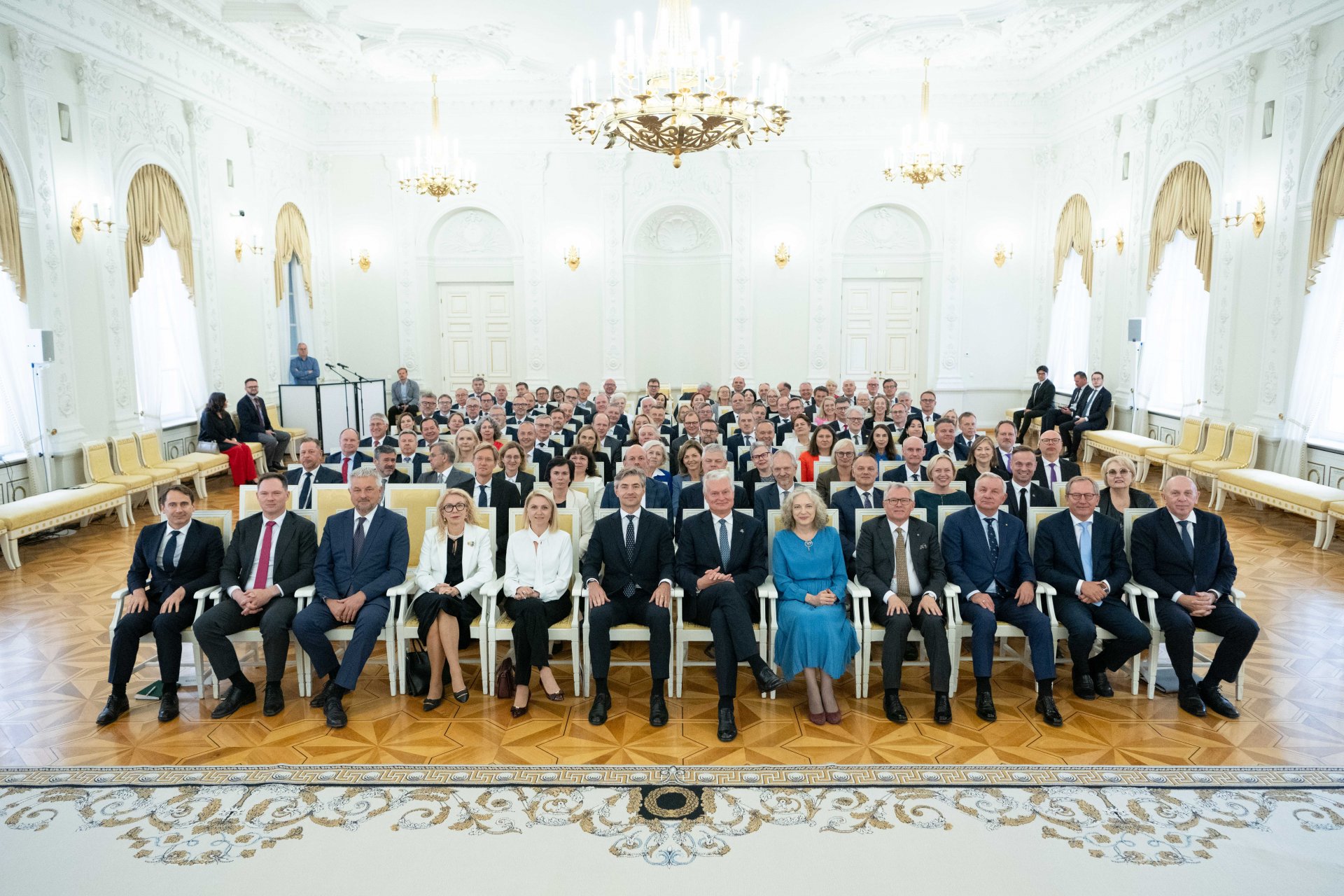
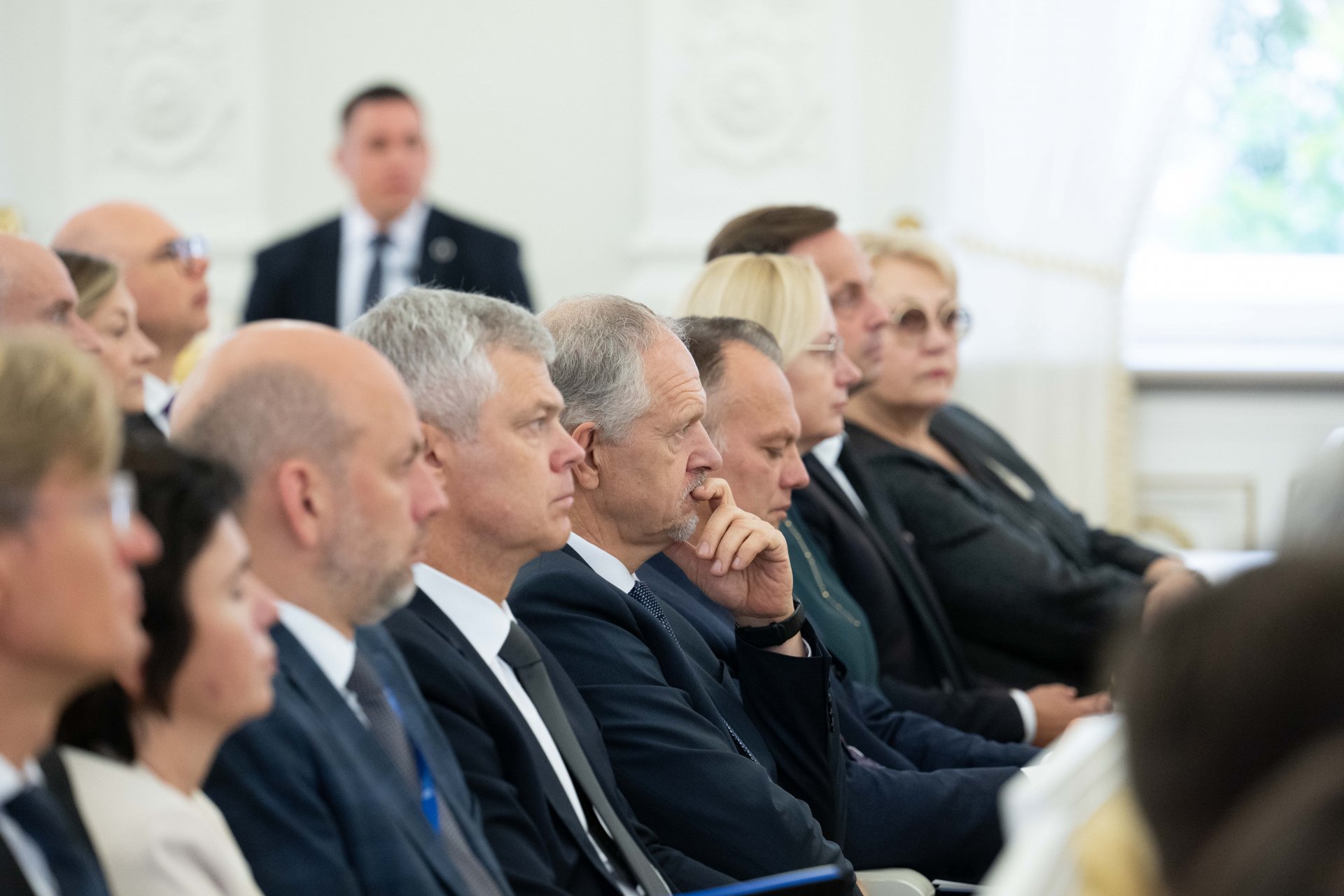
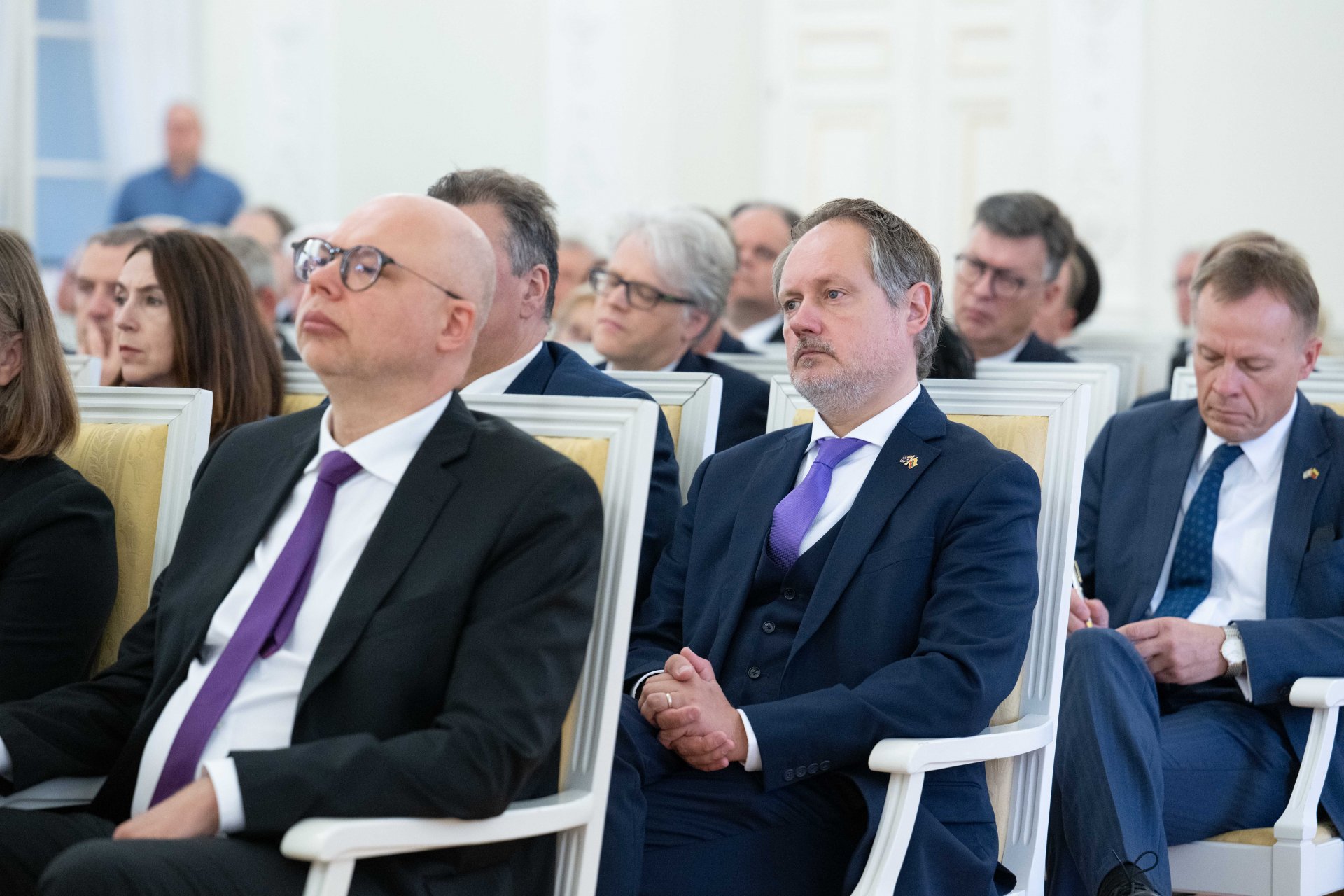
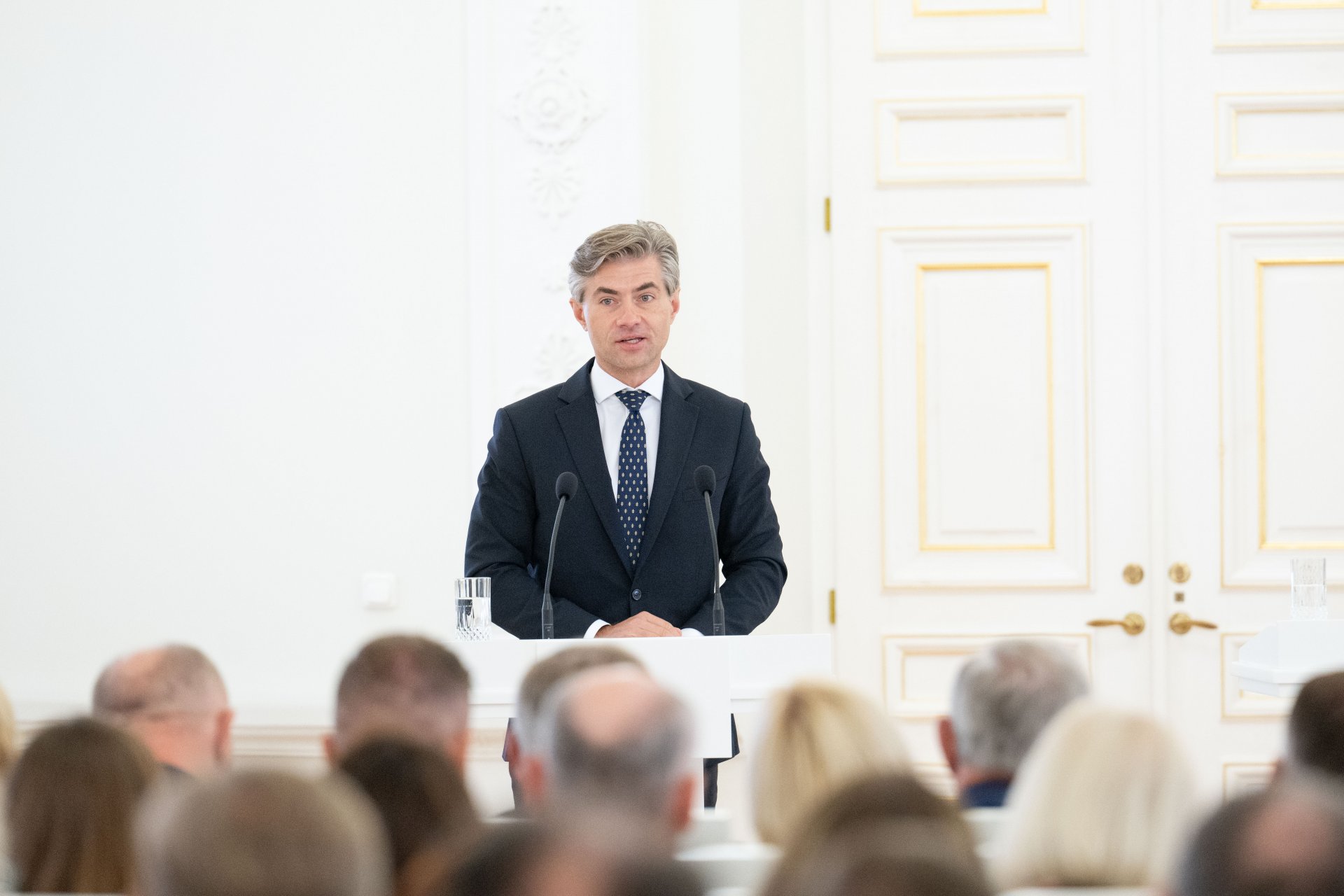
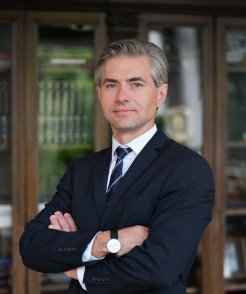
On 7 September, Minister of Foreign Affairs Kęstutis Budrys addressed Lithuanian ambassadors gathered at the Presidential Palace in Vilnius for their annual convention. The Minister emphasized that the past few years have been a period of constant uncertainty, crisis management, and rallying partners for Lithuanian diplomacy, but at the same time have allowed for significant achievements in strengthening the country’s security, support for Ukraine, and Lithuania’s position on the international stage.
“The past few years have not been a time when we could simply carry out our planned agenda. We had to spend a large part of our time managing crises, rallying partners, and defending the interests of Lithuania and the region. Nevertheless, today we can speak not only of challenges but also of concrete results,” said the Minister.
According to him, national and regional security remain among the highest priorities of Lithuania’s foreign policy. Budrys emphasized that special attention was paid last year to strengthening transatlantic ties and the strategic partnership with the U.S. Cooperation with Germany, the Nordic and Baltic countries, Poland, and other allies has also been consistently developed.
“Lithuania has actively contributed to strengthening NATO’s eastern flank, increased defense spending, and sought to ensure that the hybrid threats posed by Russia and Belarus are better understood and appropriately assessed within the European Union and NATO. Lithuania’s initiatives in the areas of border security, the instrumentalization of migration, critical infrastructure security, and the fight against disinformation have become part of the allies’ common agenda,” emphasized Budrys.
The Minister stated that significant attention has also been paid to sanctions policy. According to him, Lithuania has actively participated in the formulation and implementation of EU sanctions against Russia and Belarus, consistently seeking to increase pressure on aggressors and strengthen mechanisms for holding them accountable for violations of international law.
The Minister stressed that Lithuania remains among the most active supporters of Ukraine in Europe.
“Ukraine remains no less important. Our goal remains unchanged—to maintain political, military, and economic support for Ukraine, to intensify pressure on the aggressor, and to ensure that Ukraine’s future is shaped within the European and Euro-Atlantic framework,” the Minister said.
Speaking about future challenges, the Minister highlighted preparations for Lithuania’s Presidency of the Council of the EU. According to him, this will be an opportunity not only to coordinate the EU’s work but also to reinforce Lithuania’s influence in addressing issues such as European security, support for Ukraine, EU enlargement, and competitiveness.
The Minister also emphasized the growing importance of economic diplomacy. As global competition for investment, technology, and markets intensifies, Lithuania’s diplomatic missions will play an increasingly important role in strengthening the country’s economic security and international competitiveness.
“The key condition for achieving all of these goals remains our unity and collaboration. We work in different capitals, different regions, and under different circumstances, but Lithuania’s interests are the same, so we must continue to act as a single team,” said the Minister.
Social media


