


Budrys: security begins with effective deterrence
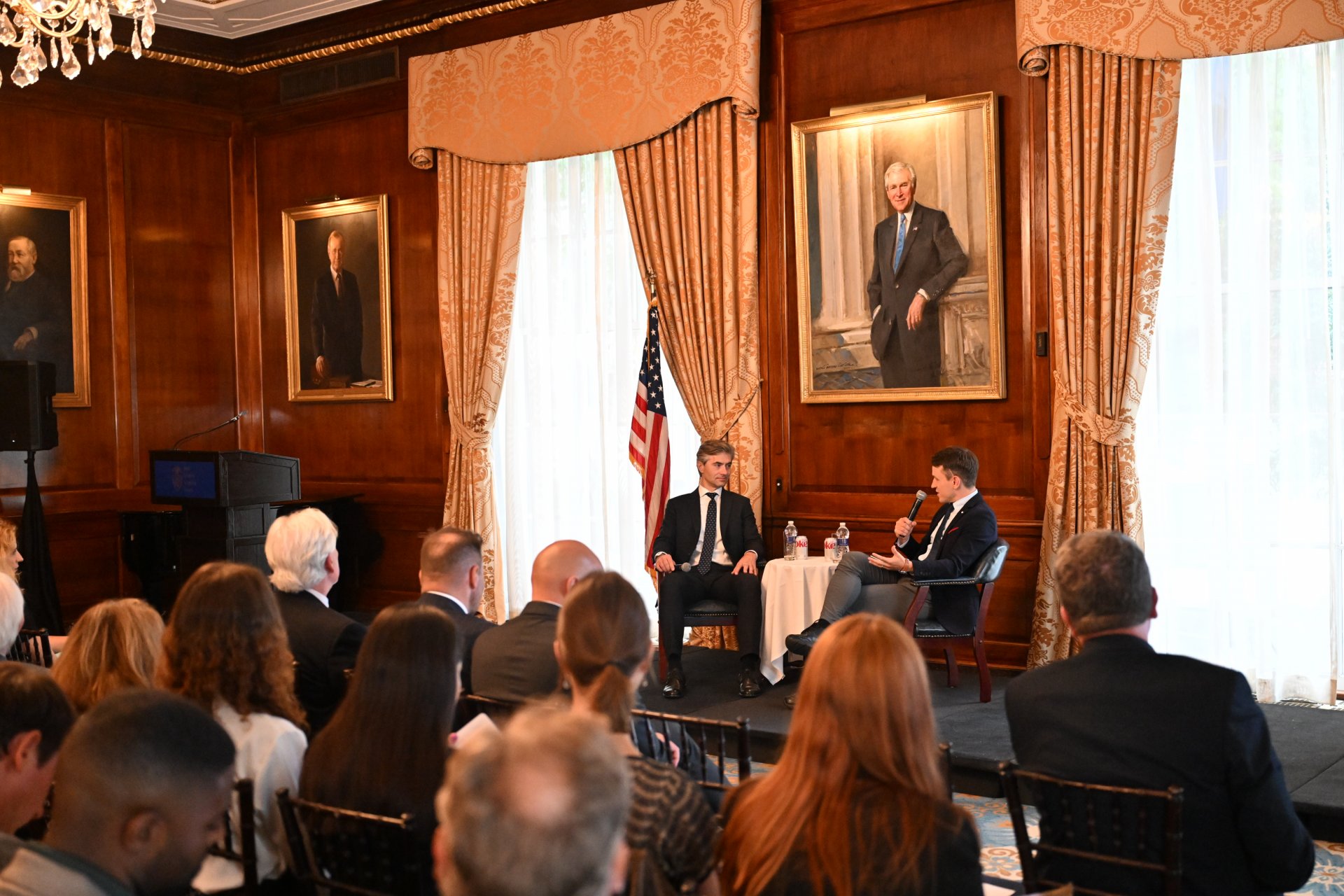
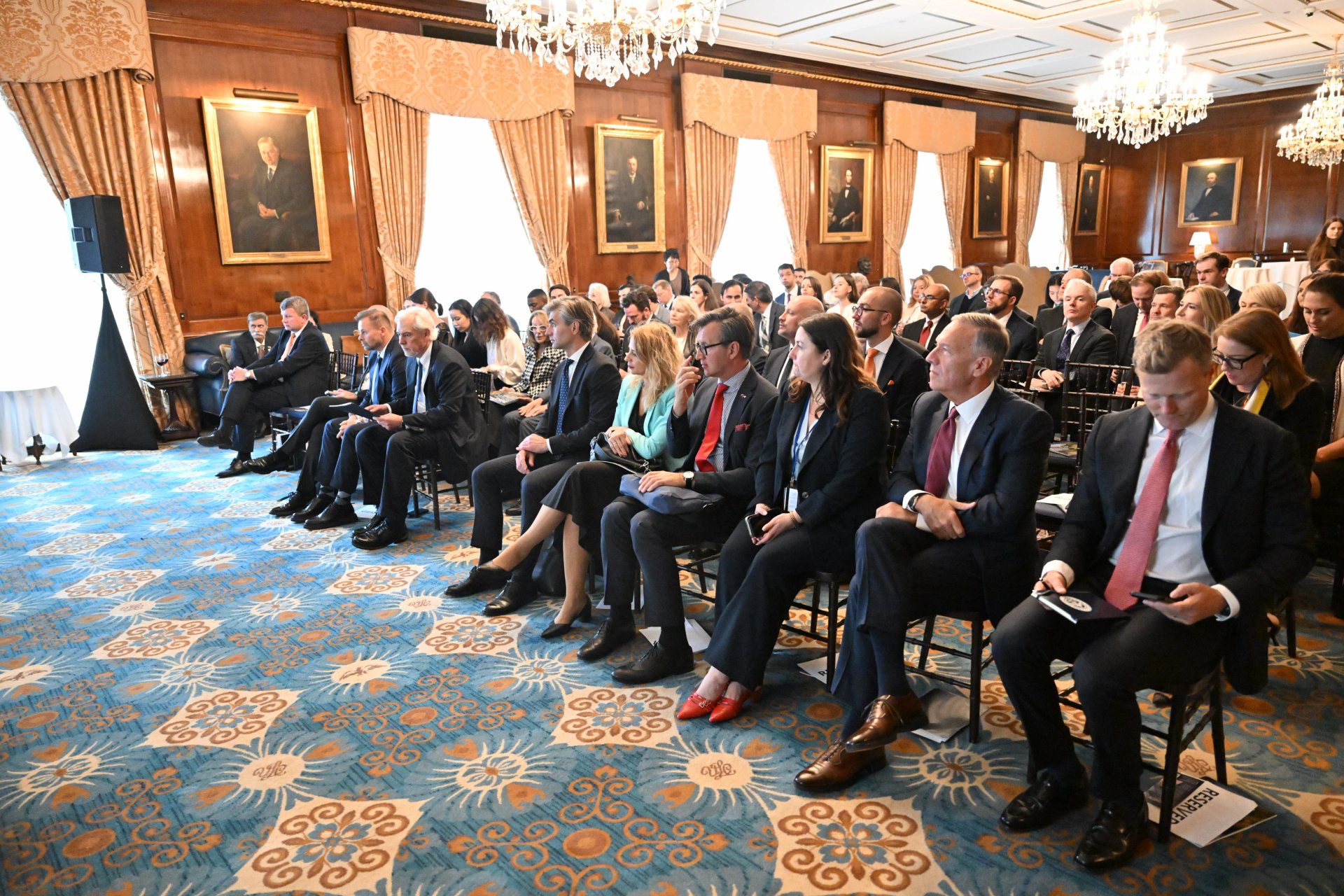
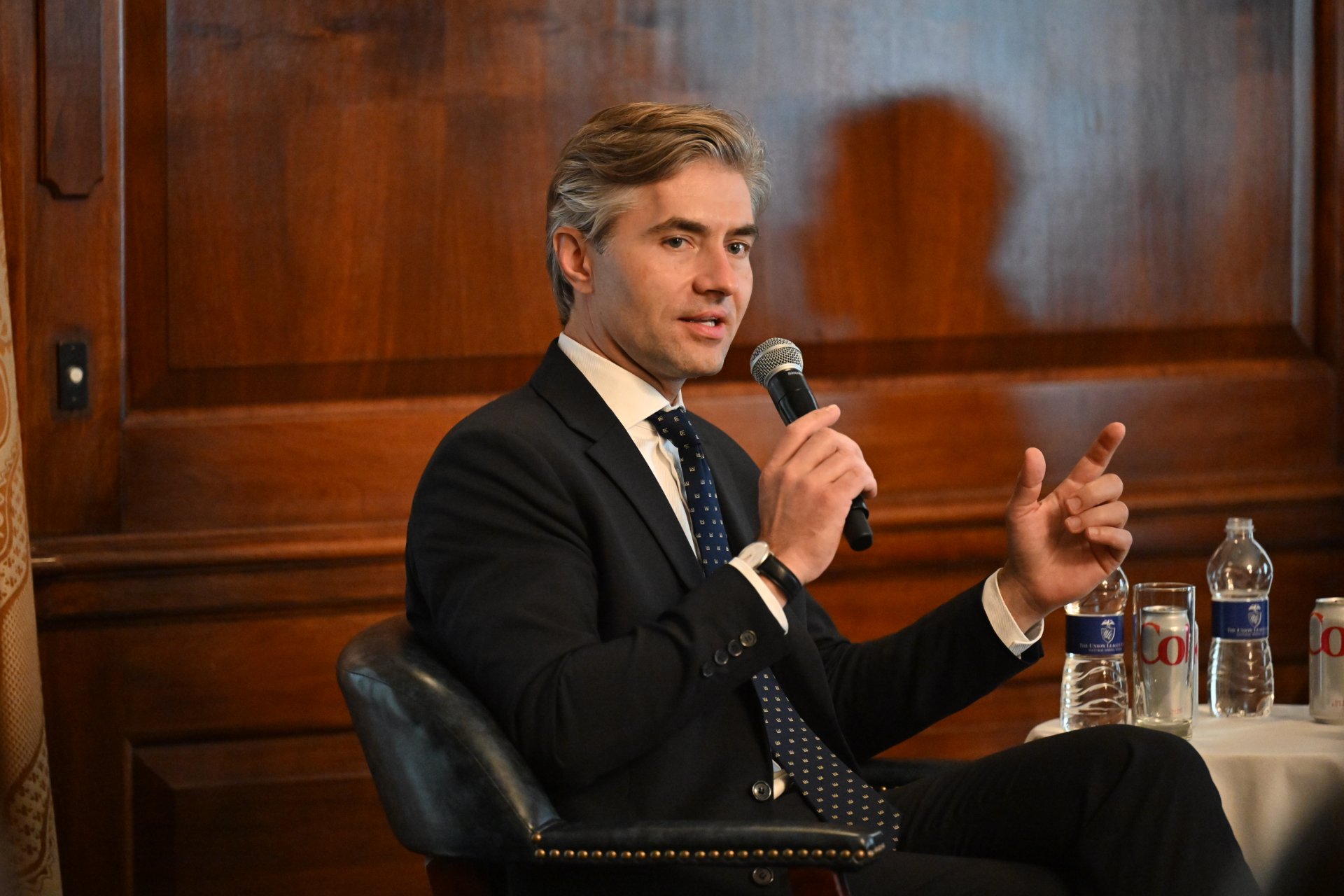
During the High-level Week meetings of the 81st session of the United Nations (UN) General Assembly, which began in New York on 21 September, the Minister of Foreign Affairs of Lithuania Kęstutis Budrys participated in an event organised by the Geopolitics and Security Studies Center entitled ‘Senior-Level Baltic–U.S. Panel on Strengthening Security and Resilience’.
During the discussion on security cooperation between the Baltic states and the United States of America, the Minister emphasized that the threat posed by Russia to the Baltic region remains direct; therefore, NATO's eastern flank must first of all rely on effective deterrence.
"The Russian war is not a distant or theoretical challenge. It is happening here and now, in our neighbourhood, in our region, and the incidents of recent weeks are once again a reminder that Russian aggression knows no borders. Our first objective must therefore be clear: deterrence. Defence starts when deterrence no longer works," said Budrys.
The Minister emphasized that the unity and decisive actions of NATO allies yield tangible results. According to him,
NATO's Baltic Sentry surveillance operation in the Baltic Sea, launched last year, has helped significantly reduce sabotage activities against critical infrastructure.
“When we act with unity and determination, the scale of hostilities decreases. This is clear evidence that collective deterrence works and that investment in security pays off", the Minister noted.
Budrys also emphasized that the Baltic states' approach to the threat posed by Russia is based not on theoretical assessments, but on historical experience and geopolitical reality.
“Grey area" or intermediate status between East and West was never a choice of Lithuania. We have chosen Western alliances, freedom and responsibility for our own security. This choice has led to unprecedented growth and strengthening of our countries," said the head of Lithuania’s diplomacy.
Speaking about European security, the Minister stressed the need to accelerate the strengthening of European defence capabilities and to take greater responsibility for the security of the transatlantic space.
"Europe needs to increase its ability to deter Russia. That is why we support a stronger European responsibility for defence within NATO," said Budrys.

Social media


