


Budrys: Russia’s hybrid attacks in Europe are increasingly taking on the characteristics of terrorism
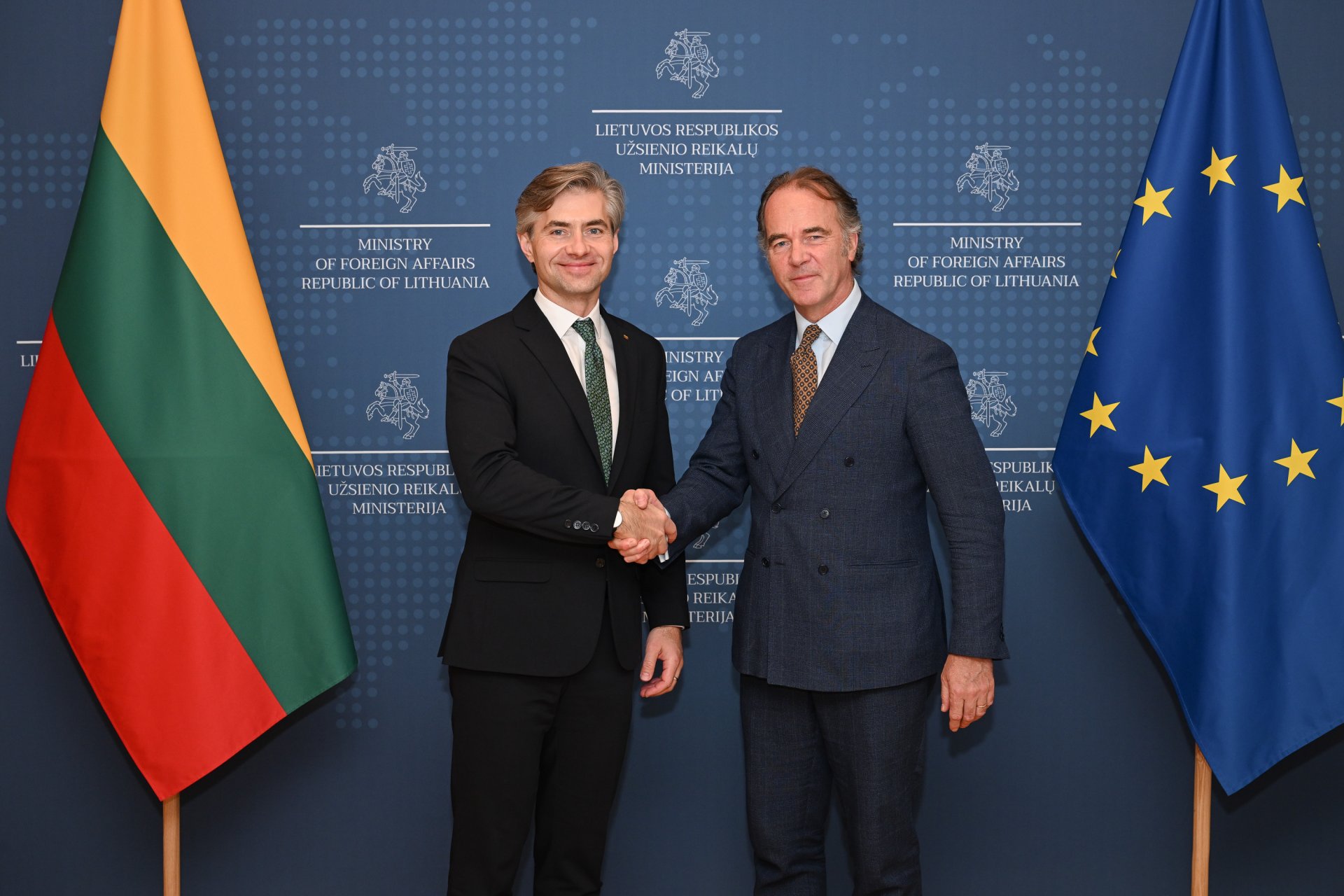
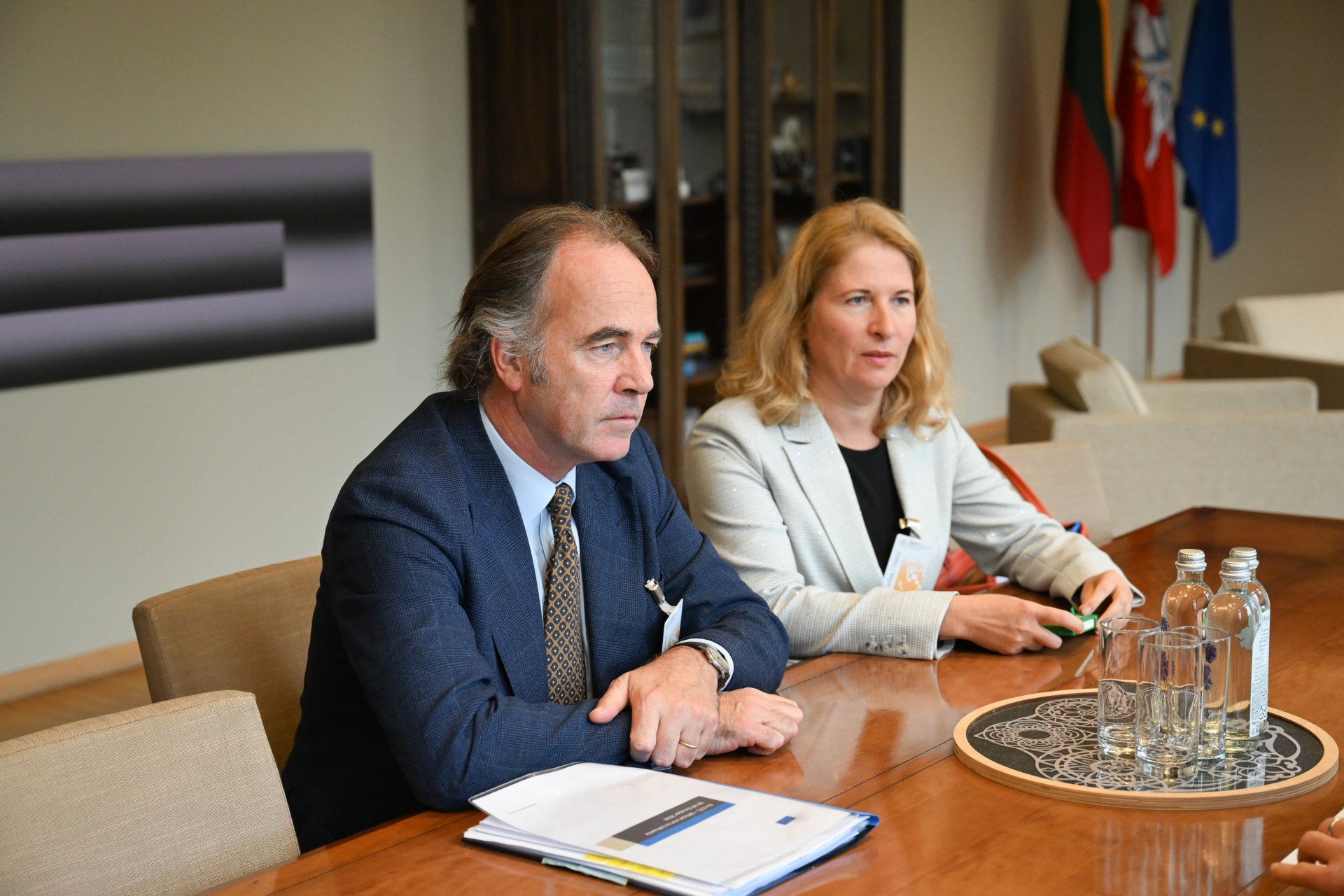
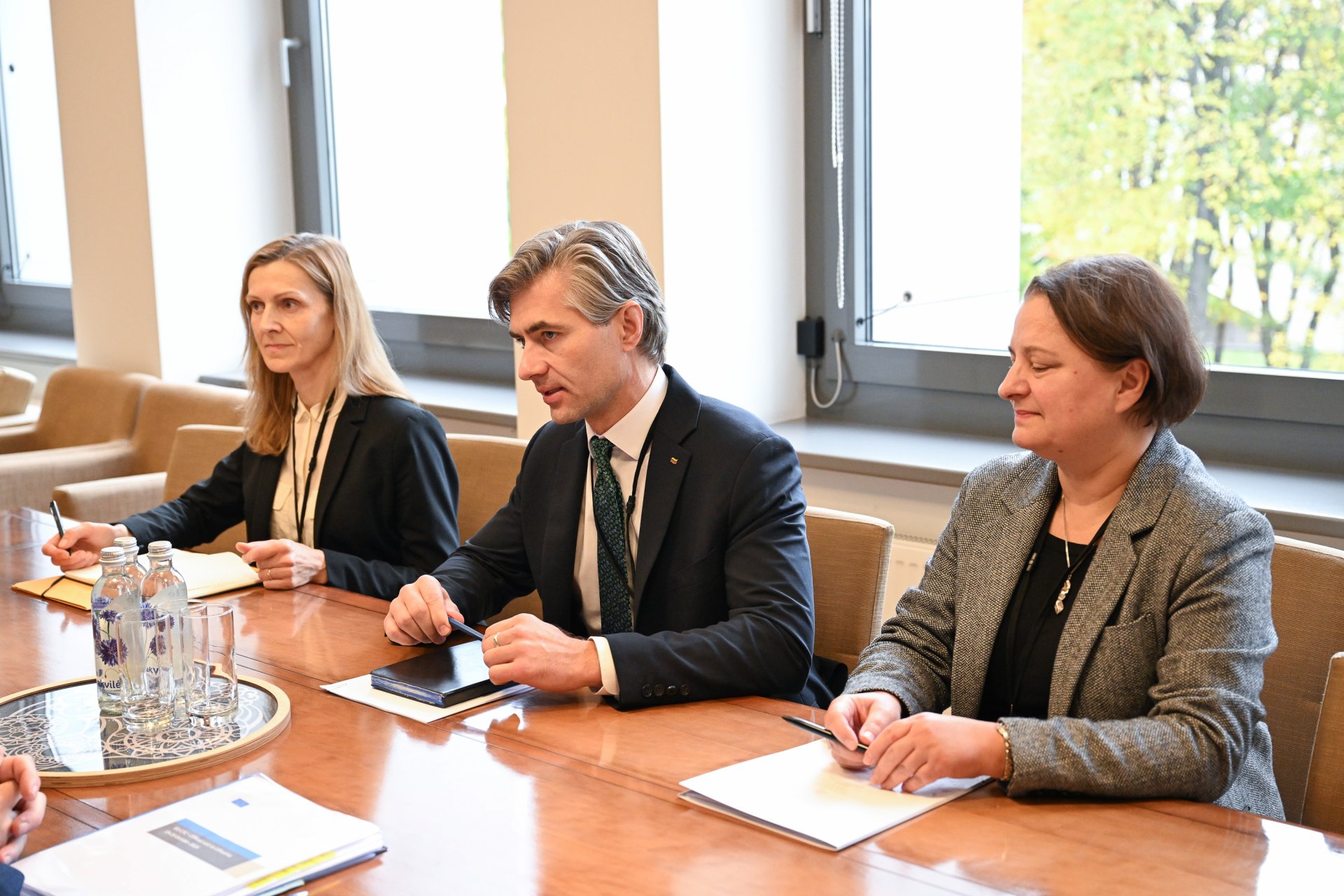
On 20 October, Minister of Foreign Affairs Kęstutis Budrys met with EU Counter-Terrorism Coordinator Bartjan Wegter. The meeting focused on the European Union’s counter-terrorism policy, the links between hybrid threats and terrorism, the threat of state-sponsored terrorism, and preparations for Lithuania’s upcoming Presidency of the Council of the European Union, during which Lithuanian representatives will chair working groups dealing with counter-terrorism.
Lithuania’s Foreign Minister stressed that the distinction between traditional terrorism and state-sponsored hybrid operations is becoming increasingly blurred in Europe’s security environment.
“The acts of sabotage, subversion, cyber-attacks and other hostile activities witnessed in Europe in recent years demonstrate that Russia is employing methods that, in their nature and intended impact, increasingly resemble terrorist activity. The European Union must therefore be prepared to respond in a coordinated and united manner,” Budrys said.
The meeting also addressed possible counter-terrorism priorities for Lithuania’s Presidency of the Council of the EU, including the issue of state-sponsored terrorism and the need to strengthen Europe’s resilience against hostile operations targeting the EU and its member states.
The Minister also stressed the need to increase pressure on Russia over acts of sabotage and other hostile activities carried out in Europe.
“We must not only respond to individual incidents, but also systematically identify and disrupt the networks, intermediaries and structures that plan, finance or carry out political violence on European soil. This requires closer intelligence cooperation, swifter attribution and more decisive action at EU level,” the Minister said.
Budrys also discussed Lithuania’s initiative to propose adding Russia’s military intelligence service, the GRU, to terrorist lists. According to the Minister, in responding to hostile operations orchestrated by Russia in Europe, the EU must make use of all legal and political instruments at its disposal.
The meeting also covered transatlantic cooperation on counter-terrorism, support for Ukraine in strengthening efforts to combat illicit arms trafficking, and measures to address emerging threats related to the malicious use of unmanned systems. The security situation in Syria, Iraq and other regions was also discussed.
The Minister stressed that Lithuania supports closer cooperation between the EU and Ukraine in addressing emerging terrorist threats and seeks to ensure that Ukraine’s experience in countering threats posed by unmanned systems is used to strengthen security across Europe.
During its Presidency of the Council of the EU, Lithuania will chair three principal working groups dealing with counter-terrorism: the Working Party on Terrorism (International Aspects) (COTER), the Working Party on Restrictive Measures to Combat Terrorism (COMET), and the Terrorism Working Party (TWP).
Social media


