


Budrys: Moscow’s strategy is to sow chaos; our response is unity and strength
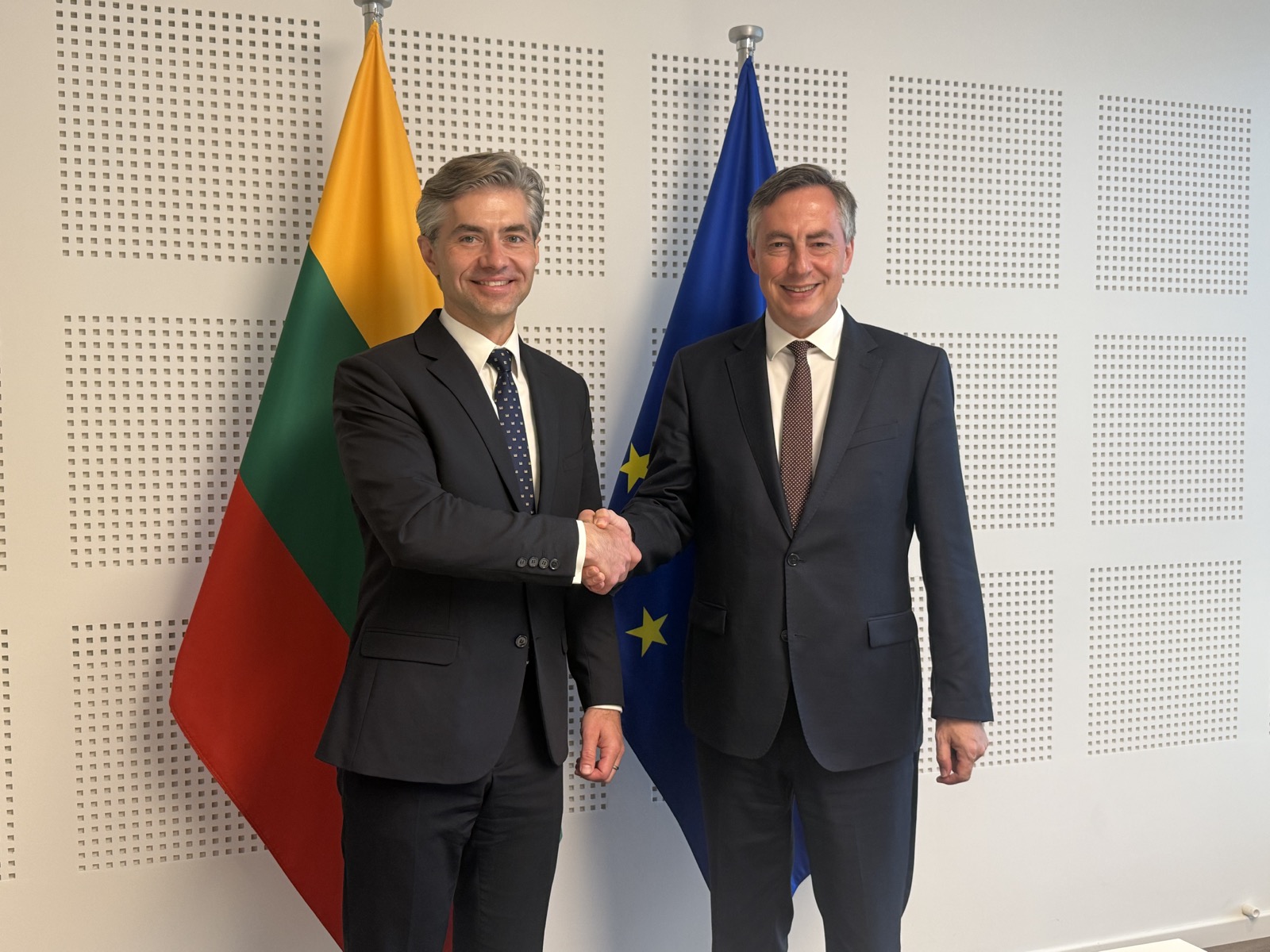
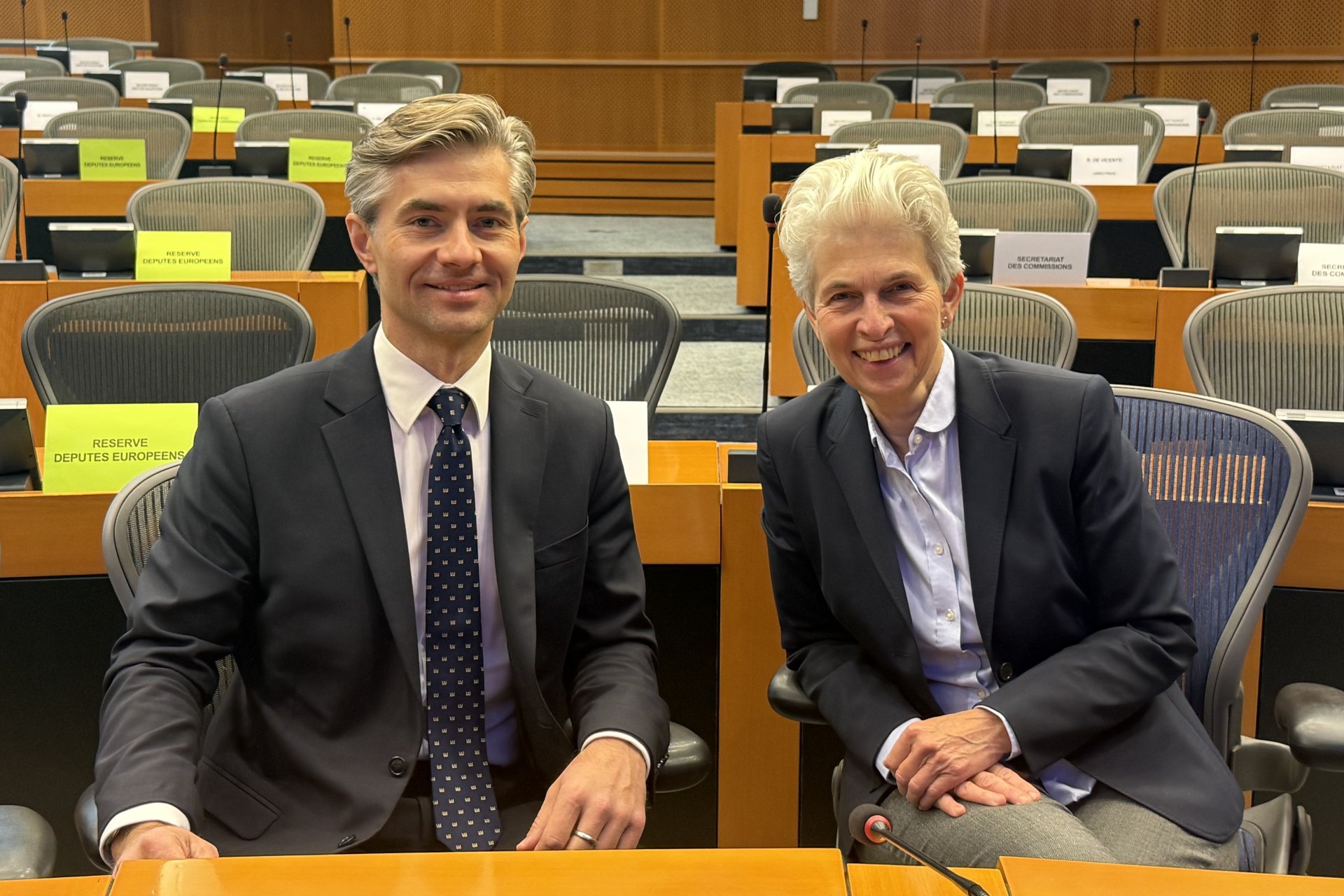
On 4 June, the Minister of Foreign Affairs Kęstutis Budrys met with Marie-Agnes Strack-Zimmermann, Chair of the European Parliament's Committee on Security and Defence (SEDE), and David McAllister, Chair of the Committee on Foreign Affairs (AFET).
Meetings with the European Parliament's representatives discussed the region's security situation, Russia’s aggression against Ukraine, growing hybrid threats, as well as support for Ukraine and its EU membership.
The Minister underlined that the recent violations of the Baltic airspace by drones from Russia or Belarus pose a direct threat to the security of the EU's external borders. This, according to Budrys, is part of a broader Russian strategy aimed at exerting military pressure, inciting fear and panic, and a hostile disinformation campaign to destabilise democratic societies.
"Today's security challenges show that Russia's actions – from the war in Ukraine to hybrid attacks and disinformation – are a coherent strategy to weaken Europe. Moscow’s plan is to create chaos, and our response must be unity and power. We must enhance the security of the Eastern Flank, increase our support for Ukraine, and prevent the aggressor from imposing its conditions and narratives on us," said Budrys.
The Minister called for strengthening the NATO-EU response to hybrid threats by implementing the Eastern Flank Watch initiative, expanding air defence capabilities, strengthening the protection of critical infrastructure, and developing solutions to counter unmanned aerial systems (UAS). Lithuania is already investing in these areas, improving institutional coordination and increasing preparedness to respond to air threats.
According to Budrys, European solidarity with frontline states, strengthening the fight against Kremlin disinformation, and consistently increasing pressure on Russia through diplomatic, economic, and political means, while ensuring sustainable support for Ukraine, are essential for long-term security and stability in Europe.
When discussing ending Russia’s aggression against Ukraine and sitting down at the negotiating table, the Minister stressed that Europe must act responsibly and with integrity: any deal must not legitimise aggression or pave the way for doing ‘business as usual’. Strengthening Ukraine, achieving a just and sustainable peace, and building European security based on deterrence, real capabilities, and a strong transatlantic bond remain a key objective.
Social media


