


Budrys meets Wadephul in Berlin: Lithuania and Germany share a common commitment to strengthening European security
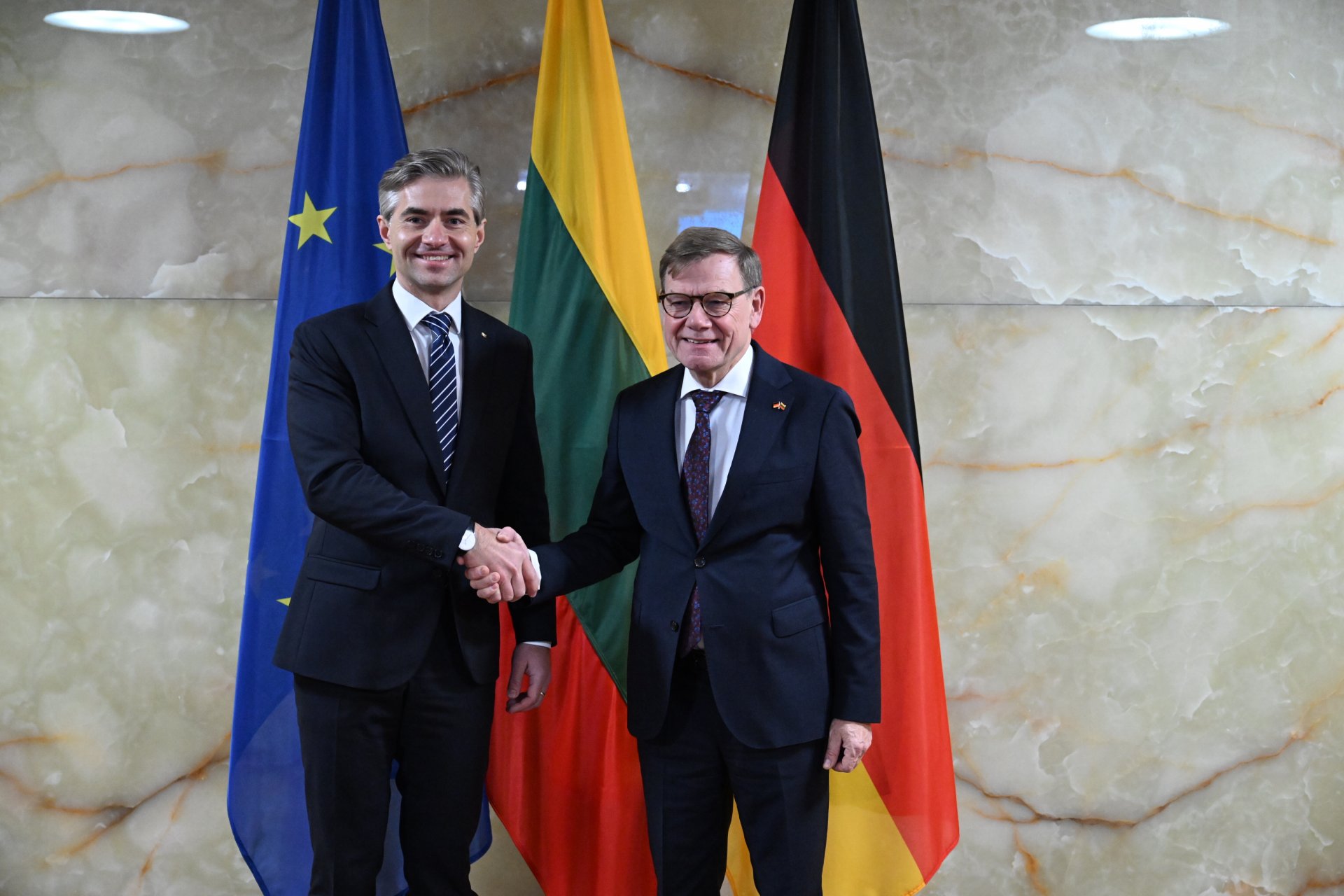
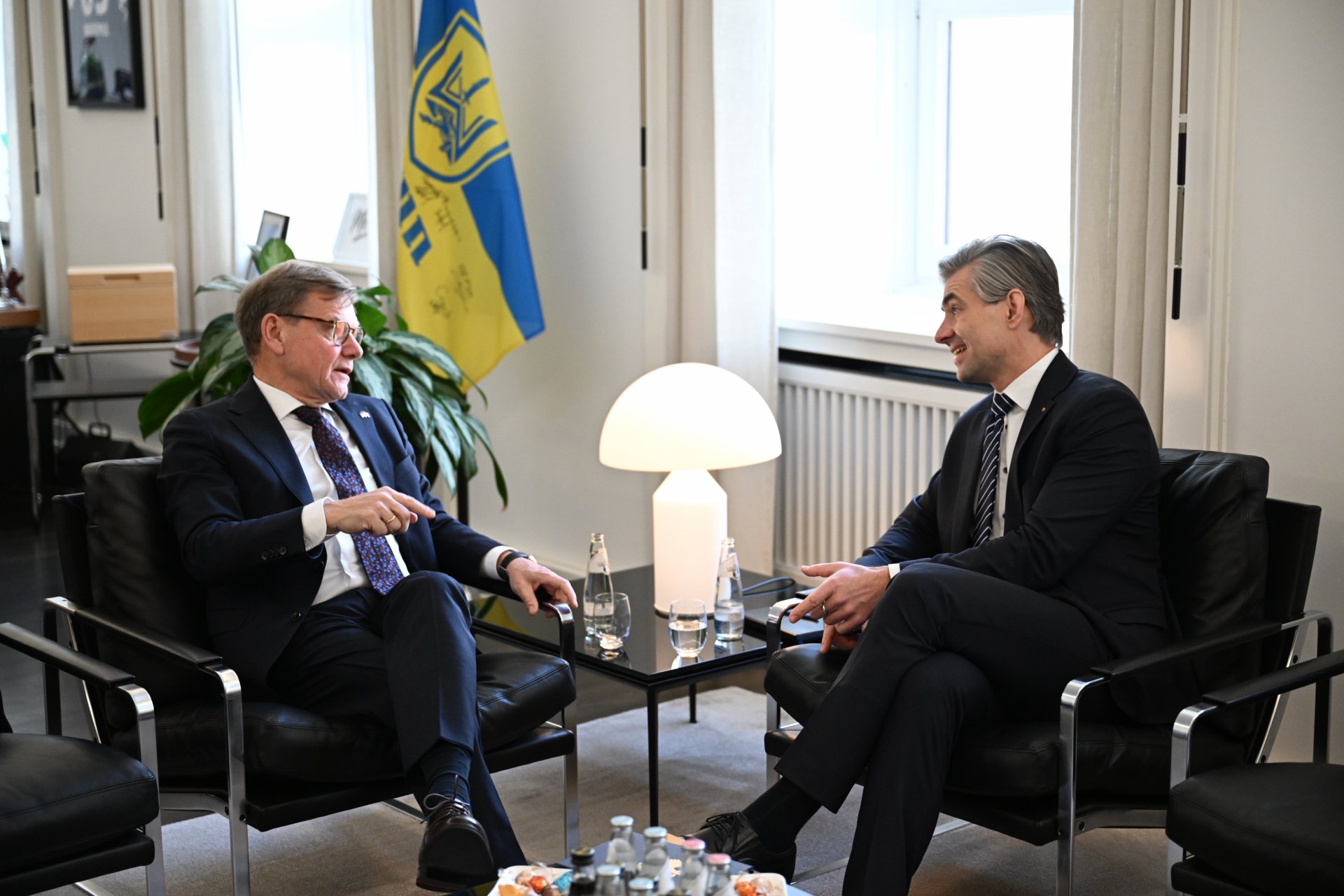
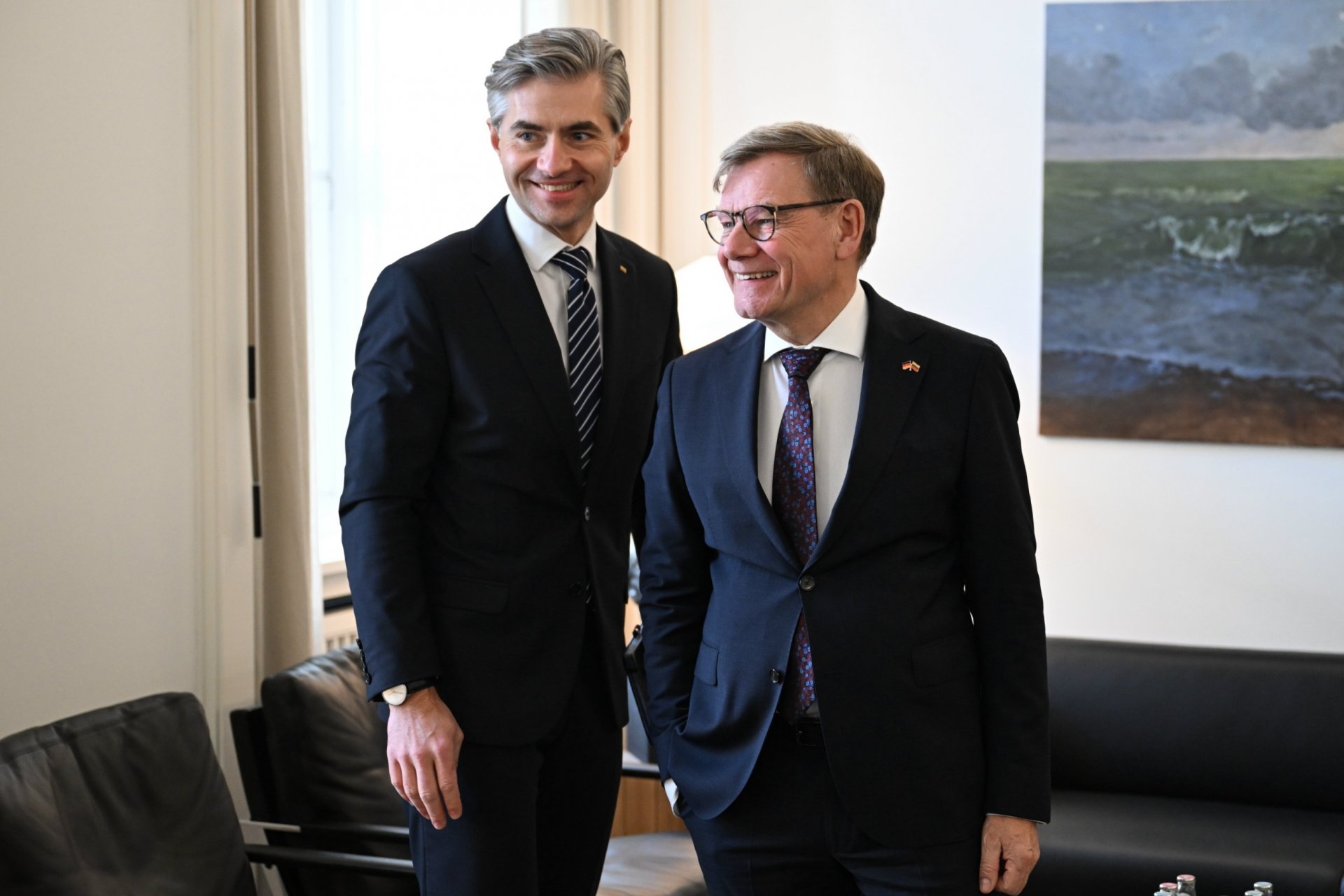
On 20 November in Berlin, Minister of Foreign Affairs Kęstutis Budrys met the Federal Minister for Foreign Affairs of Germany Johann Wadephul. The ministers discussed bilateral cooperation between Lithuania and Germany, strengthening European security, support for Ukraine, responses to the threats posed by Russia and Belarus, and the priorities of Lithuania’s Presidency of the Council of the EU.
Budrys stressed that Lithuania and Germany enjoy a close strategic partnership based on mutual trust, shared values and common interests. According to Budrys, intensive political contacts, growing economic cooperation, joint defence industry projects, as well as preparations for the Lithuanian Season in Germany and the German Season in Lithuania, reflect the strongest bilateral relations in the history of cooperation between the two countries.
“Relations between Lithuania and Germany are stronger today than ever before. We are united by the same values and interests, as well as a shared understanding that European security is built through responsibility, leadership and unity of action. The German brigade in Lithuania has become a tangible demonstration of such leadership, while our joint efforts to strengthen Ukraine, NATO and European security show that we are not only close allies, but also like-minded partners working together to build a stronger, safer and more resilient Europe,” Budrys said.
Minister Budrys thanked Germany for its leadership and contribution to the defence of Lithuania and the region as a whole. Budrys stressed the historic significance of the deployment of the German brigade in Lithuania, noting that it represents one of the clearest examples of Allied solidarity and collective defence in NATO’s history. The ministers also discussed further steps in Lithuanian-German cooperation to strengthen air defence capabilities and develop the European defence industry.
The meeting focused extensively on support for Ukraine. Budrys thanked Germany and Chancellor Friedrich Merz for their leadership in seeking to ensure long-term and sustainable financing for Ukraine’s defence and a fairer sharing of the burden among EU Member States. The Minister stressed the need to increase military support for Ukraine, strengthen its air defence capabilities, continue training Ukrainian troops and maintain pressure on Russia through sanctions and other measures.
Minister Budrys also presented the priorities of Lithuania’s forthcoming Presidency of the Council of the EU. According to Budrys, Lithuania will seek to act as an honest and impartial broker, strengthen EU unity and enhance its ability to act in the face of growing geopolitical challenges.
Budrys noted that the key priorities of Lithuania’s Presidency will include European security and defence, long-term support for Ukraine, EU enlargement, strengthening competitiveness, resilience to hybrid threats and more effective protection of Europe’s external borders. Lithuania will also focus its efforts on strengthening the transatlantic relationship in the areas of security and defence, geoeconomic security and resilience.
Minister Budrys stressed that security, resilience and competitiveness will serve as cross-cutting principles guiding Lithuania’s efforts towards a stronger and more effective EU.
Social media


