


Budrys: Lithuania’s Presidency aims for a faster, stronger and more resilient Europe
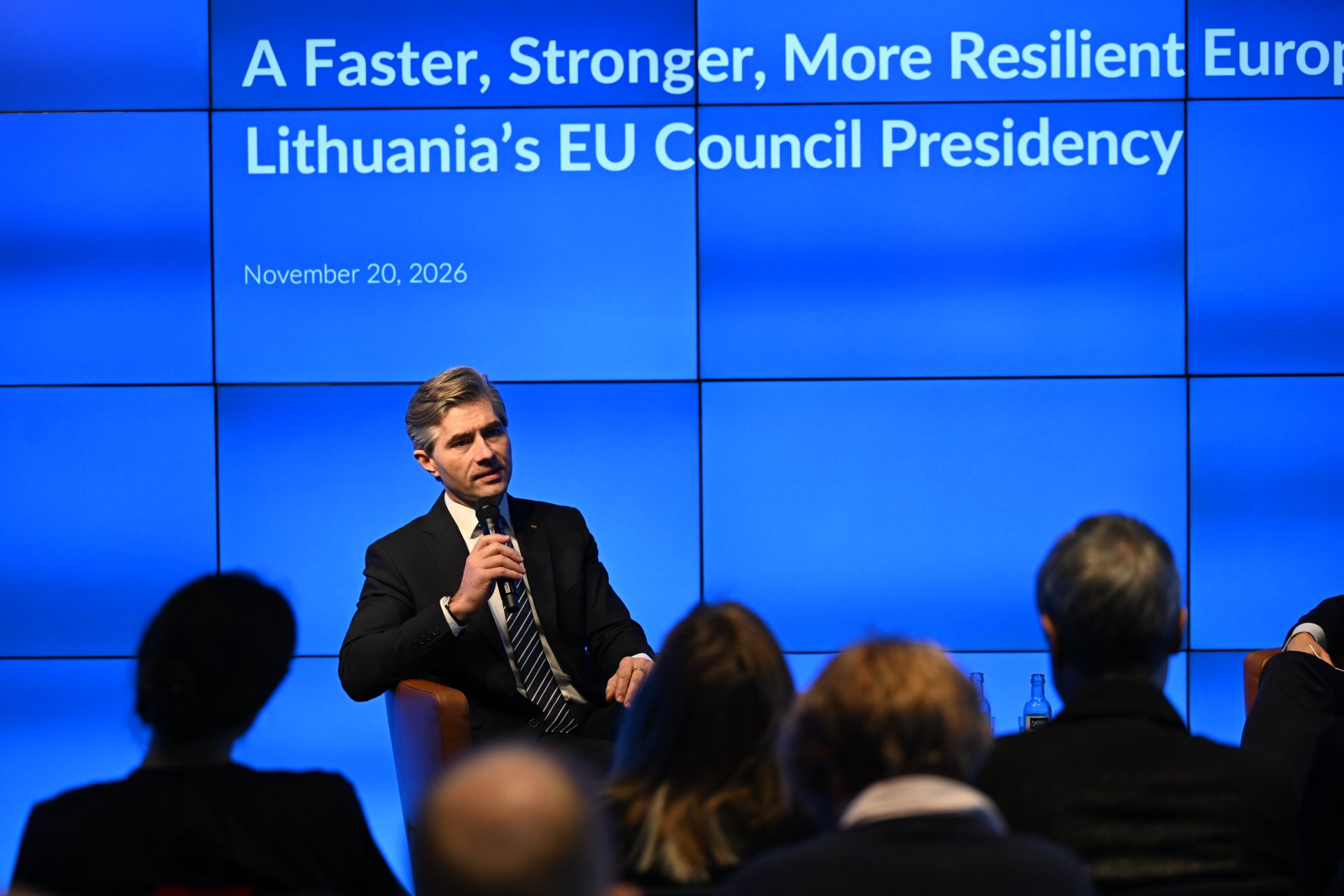
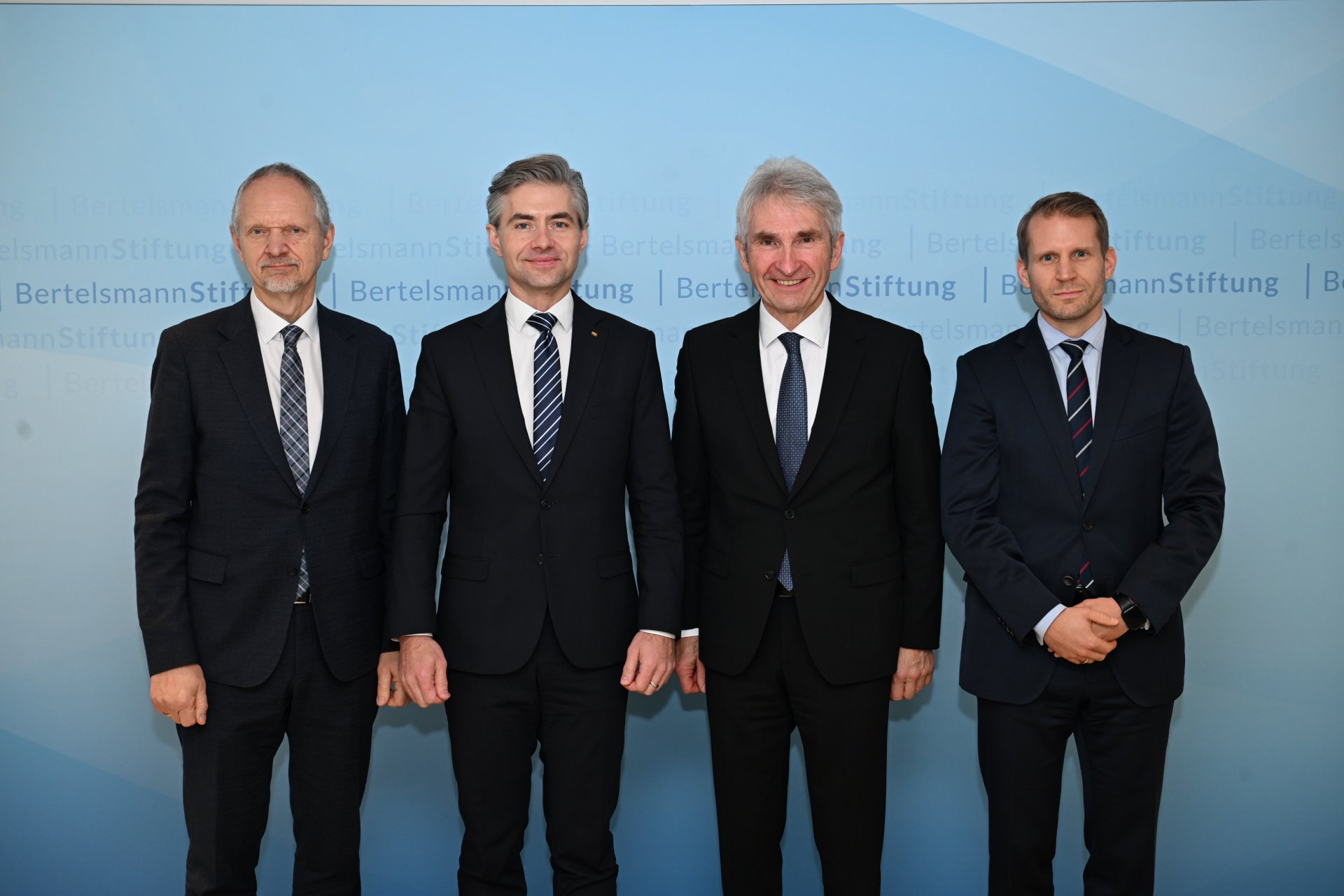
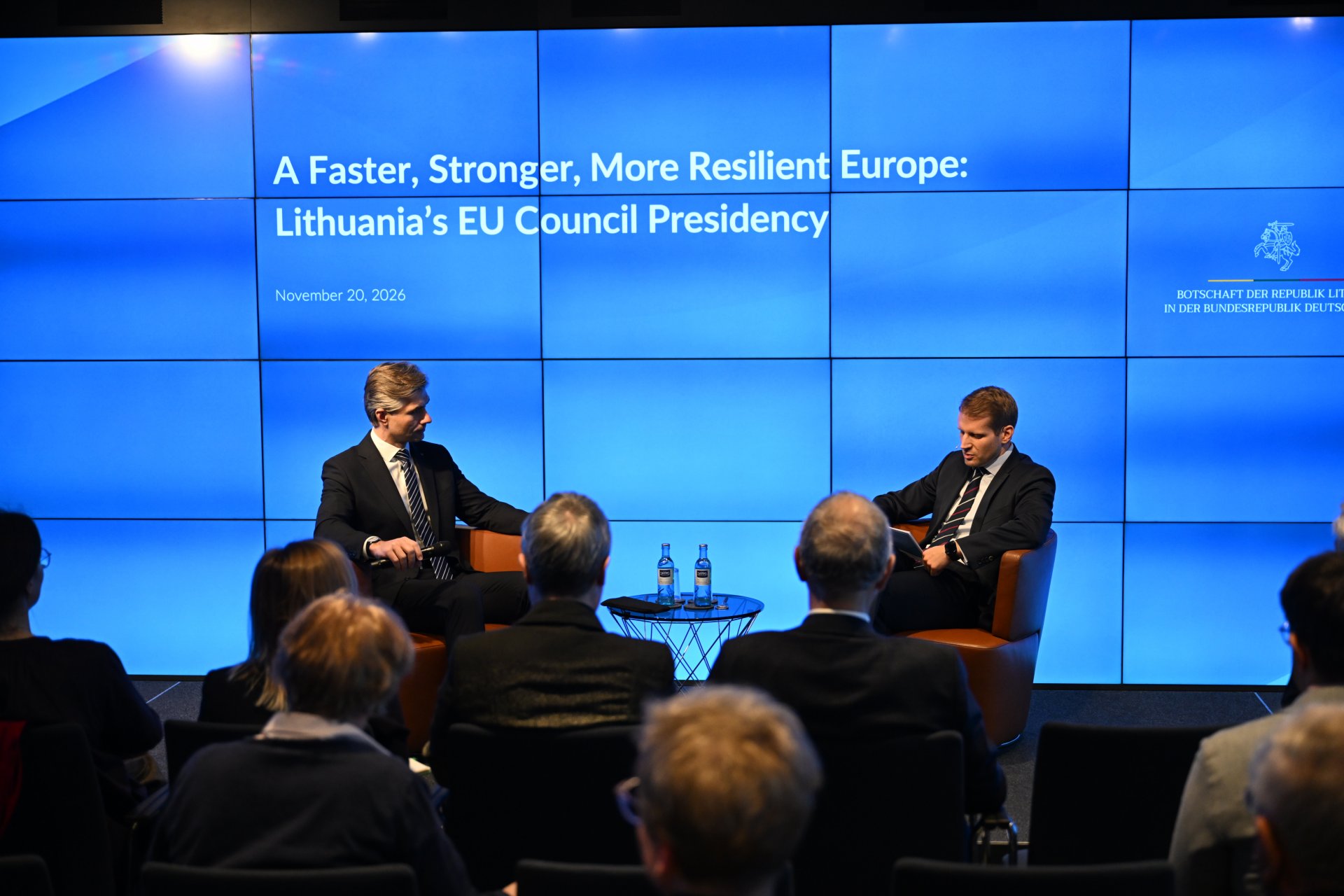
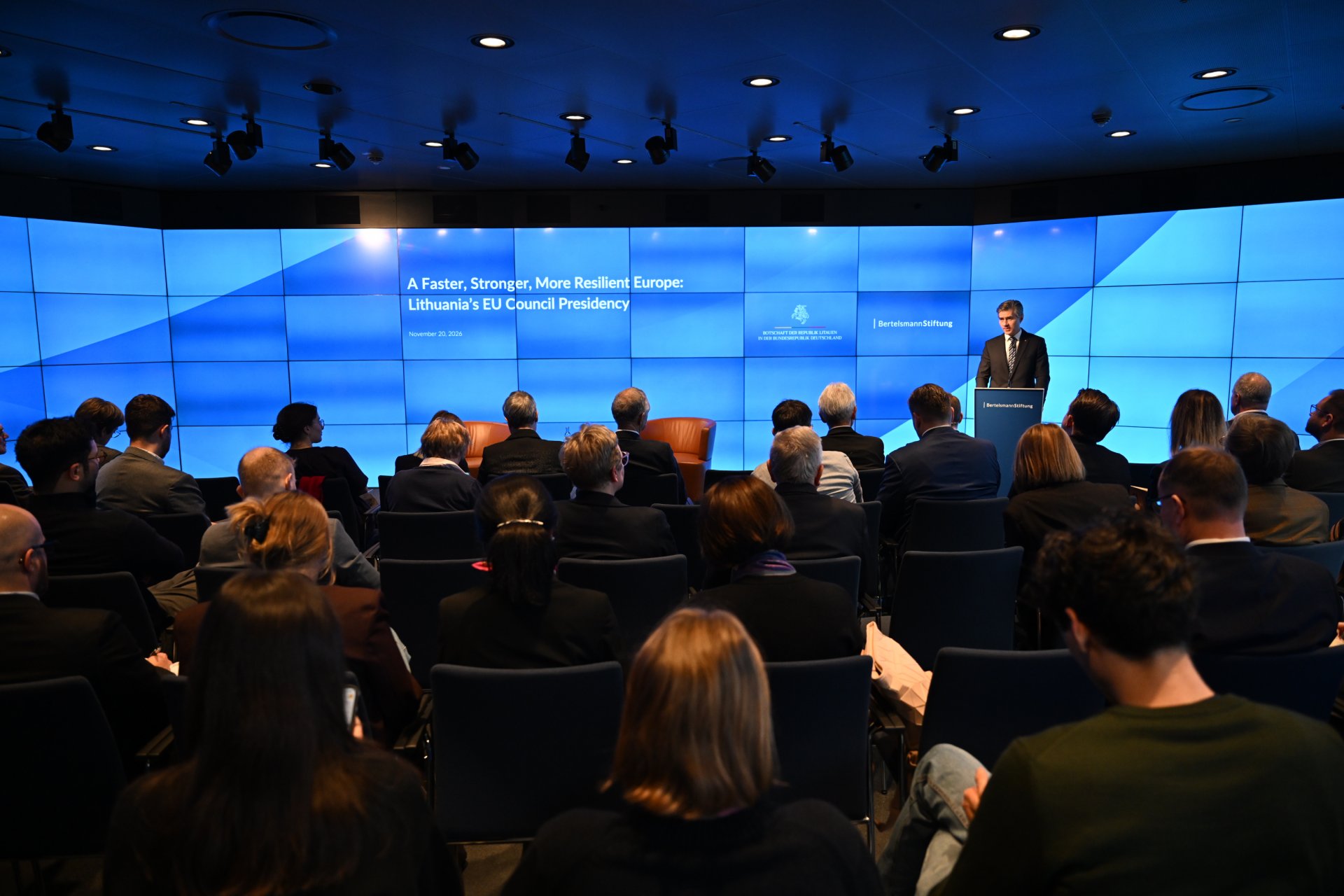
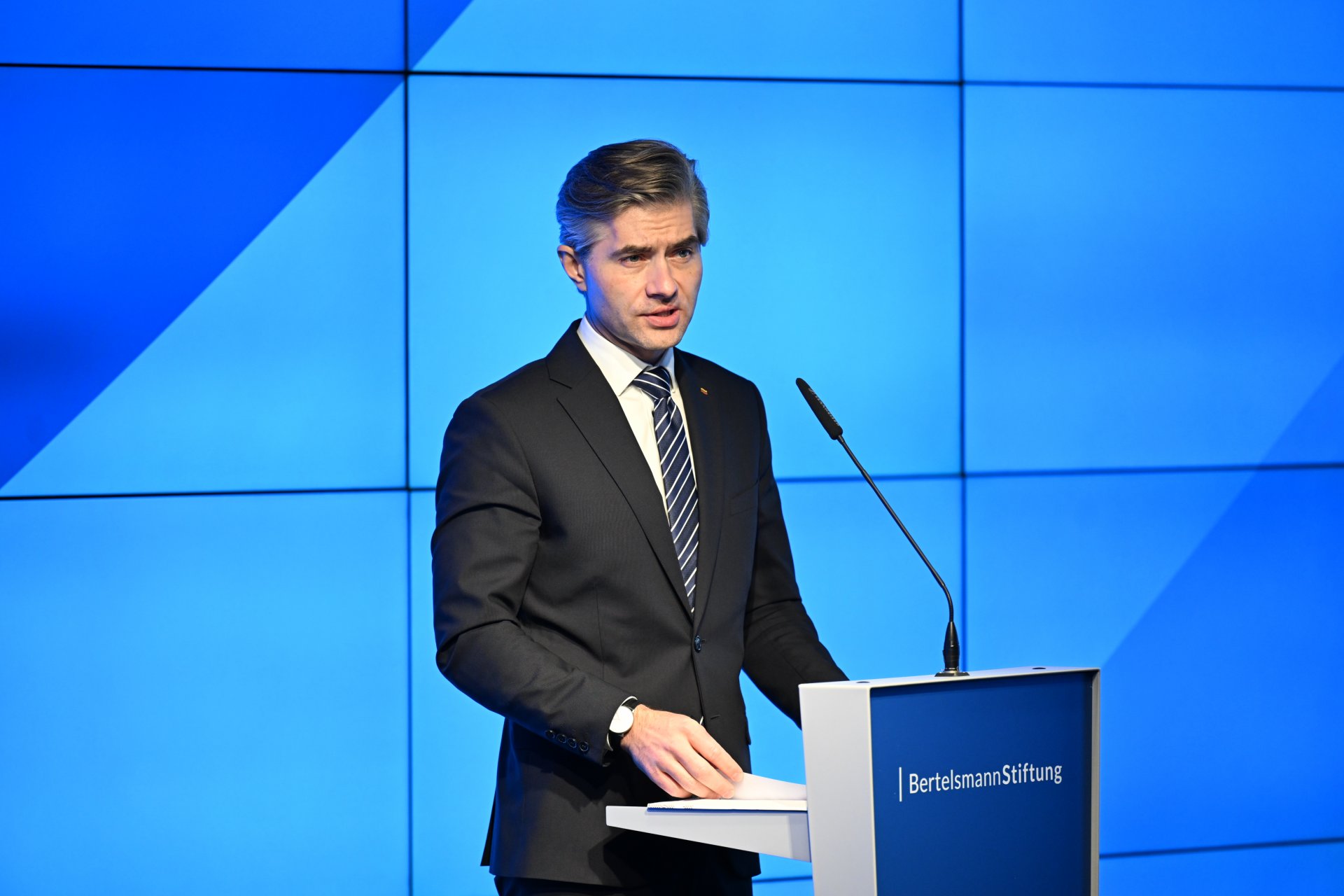
On 20 November, at the Bertelsmann Foundation event “A Faster, Stronger, More Resilient Europe: Lithuania’s EU Council Presidency” in Berlin, Minister of Foreign Affairs Kęstutis Budrys presented Lithuania’s preparations for its Presidency of the Council of the European Union in the first half of 2027, outlined the key priorities of the Presidency and took questions from the audience.
The event brought together foreign and defence policy experts and journalists.
In his address, the minister stressed that Lithuania will assume the Presidency at a time when Europe is facing one of the most consequential periods in recent decades. Russia’s war of aggression against Ukraine, growing hybrid threats, intensifying geopolitical competition and challenges to Europe’s competitiveness require swift and decisive action.
“The question today is no longer whether Europe needs to change. The question we must ask is whether we can change fast enough. Europe has the economic strength, technological potential and political influence to shape its own future, but we must be able to translate these advantages into concrete decisions and action,” Budrys said.
The minister noted that Lithuania’s vision for its Presidency is built around three key principles: a stronger, faster and more resilient Europe. First and foremost, Europe must strengthen its security and defence. Lithuania will seek to ensure sustained military, financial and political support for Ukraine, increase pressure on Russia and Belarus, and accelerate efforts to strengthen Europe’s defence readiness.
Budrys stressed that stronger European defence is not an alternative to NATO, but a prerequisite for a stronger transatlantic bond and more effective collective security. Minister Budrys also emphasised that European Union enlargement, particularly the European integration of Ukraine and Moldova, represents an investment in the long-term security and stability of the continent as a whole.
The second priority of Lithuania’s Presidency will be strengthening Europe’s competitiveness. According to the minister, economic strength and geopolitical influence are now inextricably linked. Europe must therefore complete the Single Market, reduce administrative burdens on businesses, improve access to capital, foster innovation and strengthen technological sovereignty.
“Competitiveness is not merely an economic objective. It underpins Europe’s security, strategic autonomy and ability to act in the world. Europe’s ambitions must be backed by adequate financial resources and by the ability to take and implement decisions in a timely manner,” Budrys stressed.
The minister identified strengthening Europe’s resilience as the third priority. According to Budrys, resilience today encompasses not only military security, but also the protection of critical infrastructure, energy and cyber security, responses to hybrid threats, stronger democratic institutions and society’s ability to withstand crises.
According to Budrys, the success of Lithuania’s Presidency will be measured not only by the number of agreements reached, but also by tangible progress towards building a safer, more competitive and more resilient Europe.
“Our goal is clear: to turn Europe’s shared ambitions into concrete results. We want a Europe that does not merely respond to crises, but has the strength, confidence and capabilities to shape its own future. A faster, stronger and more resilient Europe,” Budrys said.
Social media


