


Budrys: Lithuania's full CERN membership would create more opportunities for technological development and strengthen the country’s economic security
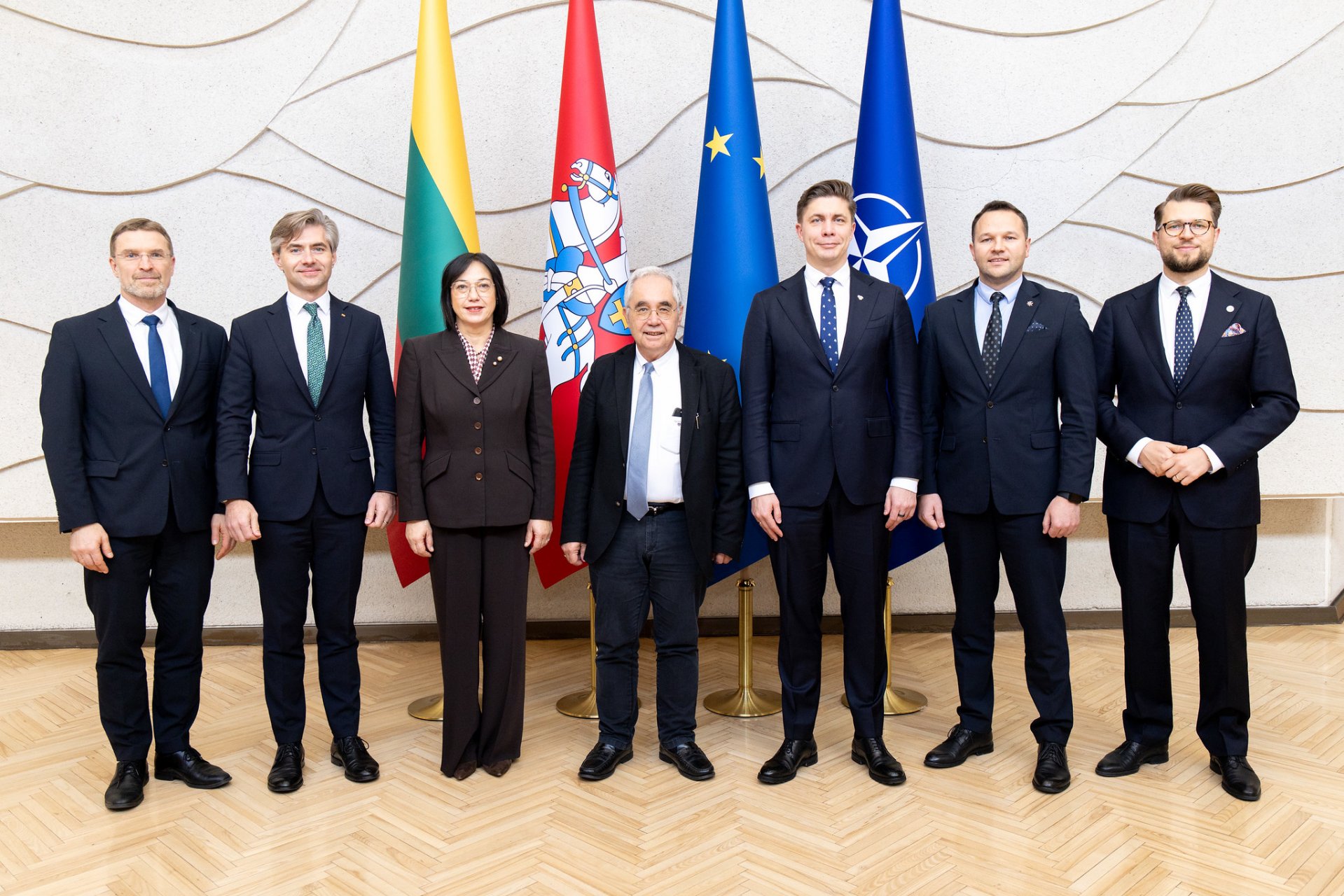
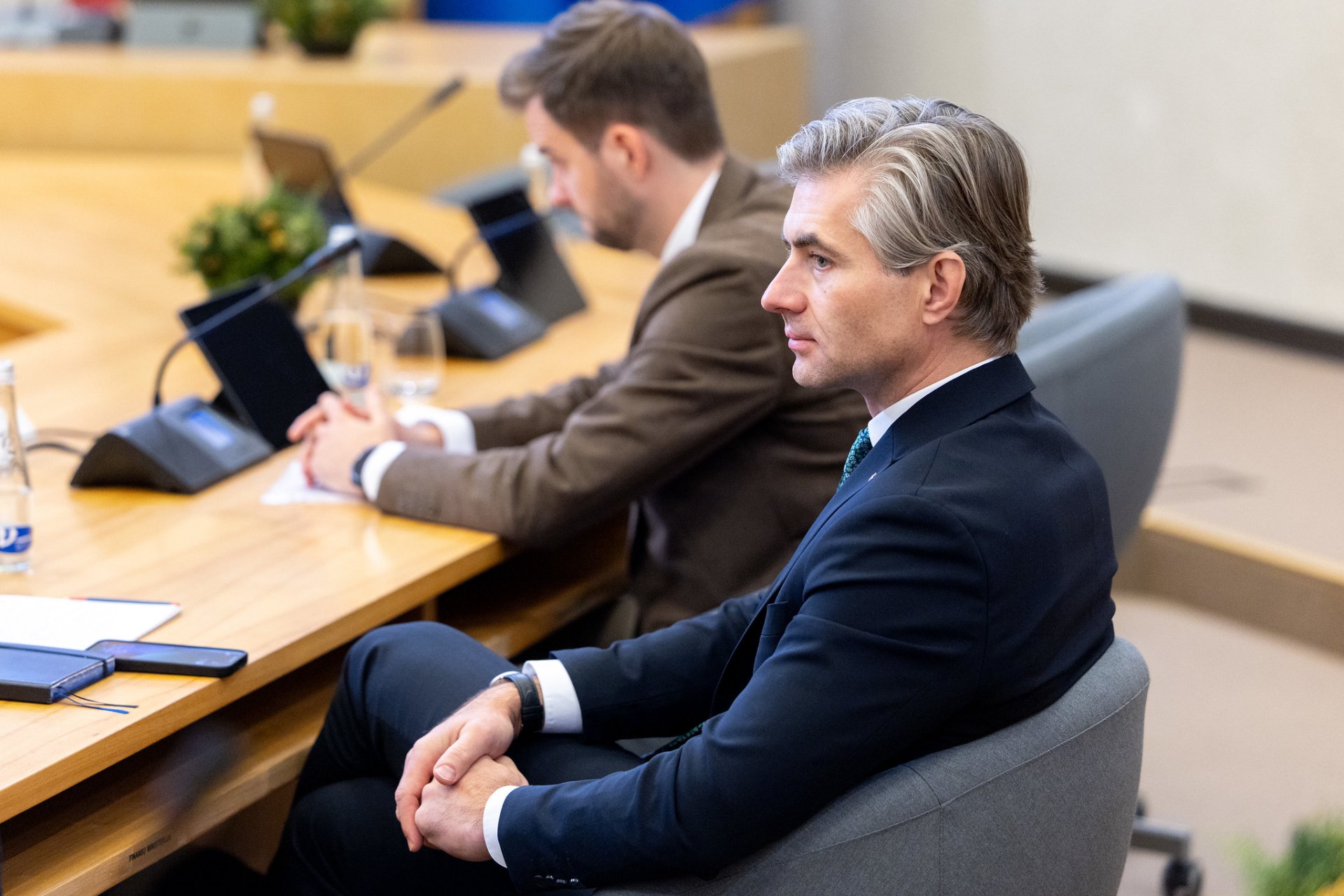
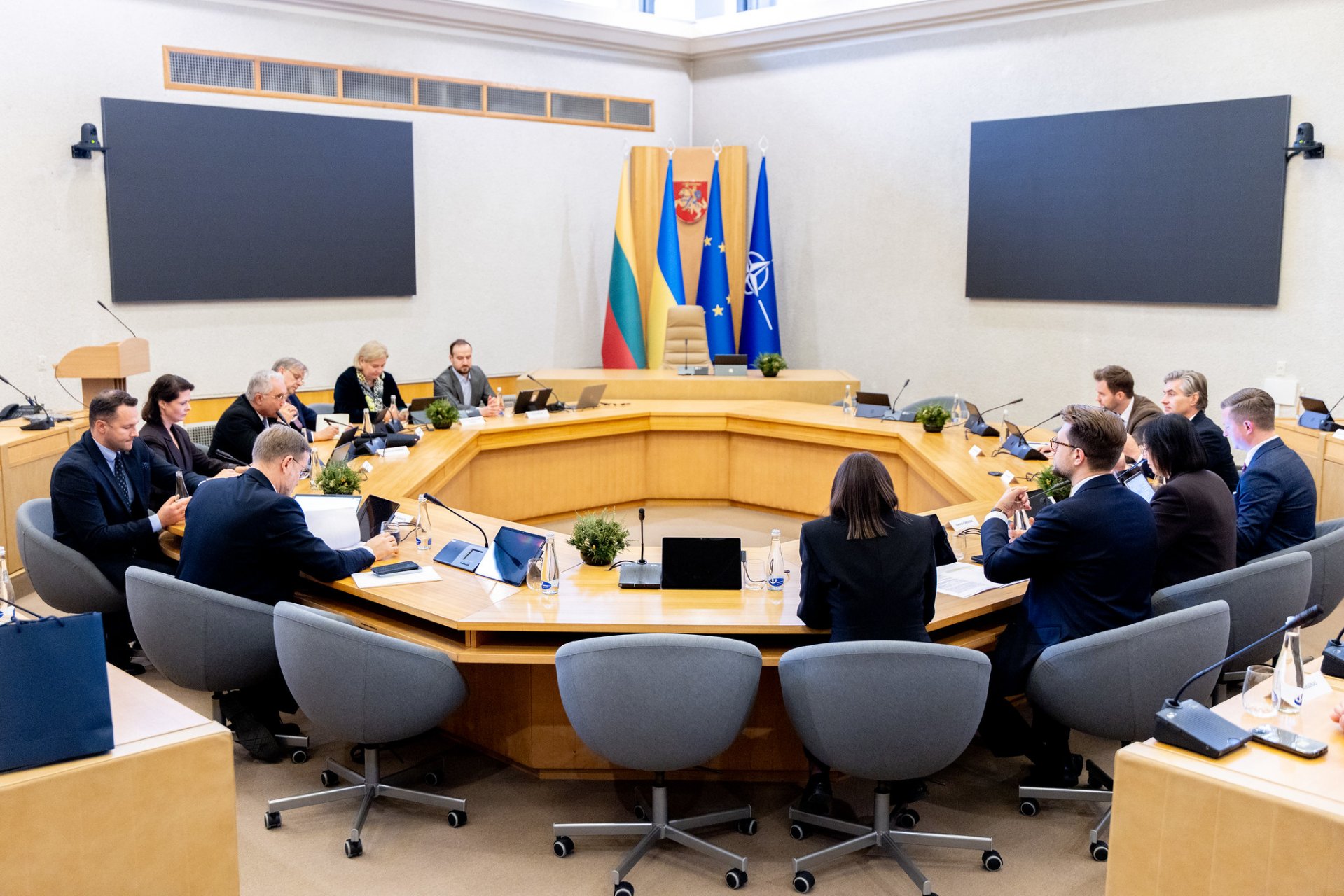
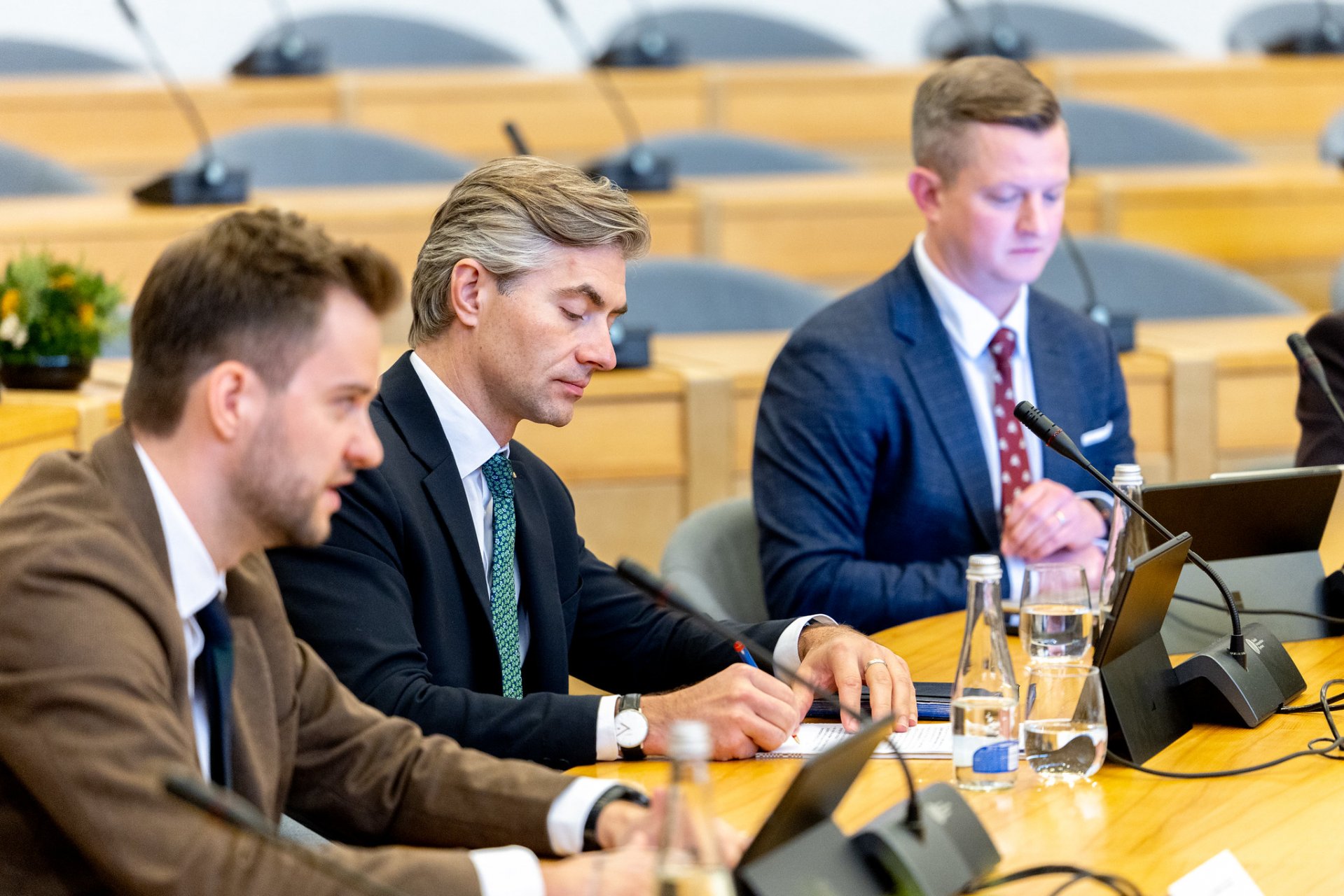
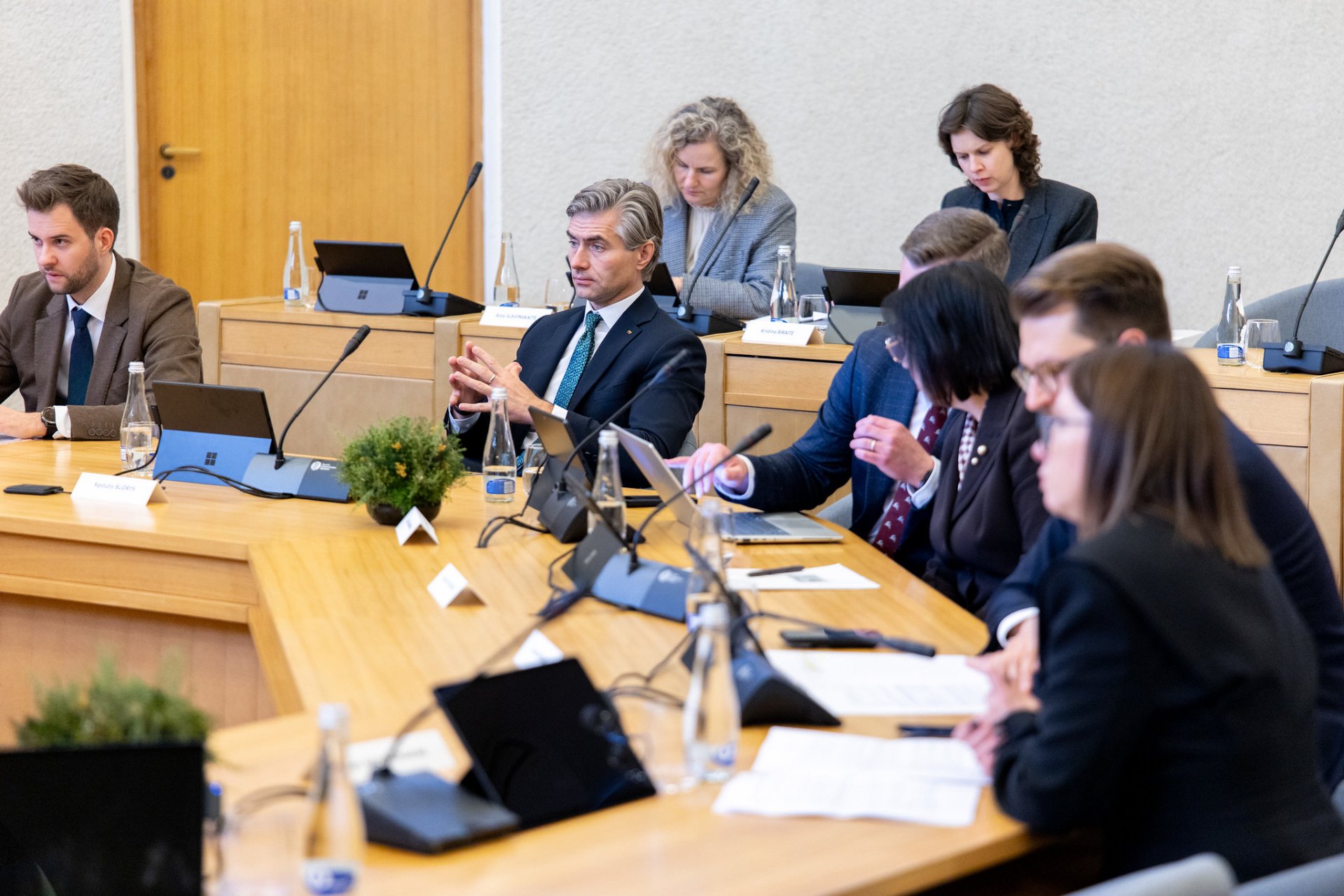
On 20 October, Minister of Foreign Affairs Kęstutis Budrys, together with the Ministers of Education, Science and Sport, the Economy and Innovation, Energy, and Health, met with Professor Costas Fountas, President of the CERN Council. The meeting focused on Lithuania’s ambition to become a full member of the European Organization for Nuclear Research (CERN), the expansion of scientific and technological cooperation, and strengthening cooperation between the EU and CERN during Lithuania’s Presidency of the Council of the European Union.
Minister Budrys stressed that full CERN membership for all three Baltic States would strengthen the region’s role in international scientific research and increase its contribution to CERN’s activities.
According to Budrys, CERN is a strategically important European research infrastructure that helps maintain Europe’s leadership in advanced technologies.
“Full membership would provide Lithuanian researchers and companies with greater opportunities to participate in international research projects, develop technologies and strengthen the country’s economic security. Lithuania already has strong expertise in lasers, photonics and life sciences, which could be applied even more extensively in CERN projects and related technology ecosystems,” Minister Budrys said.
Budrys stressed that Lithuania’s Presidency of the Council of the EU in the first half of 2027 could contribute to a broader dialogue on Europe’s strategic research infrastructures, including the future CERN Future Circular Collider project, which is of particular importance to Europe’s scientific and technological competitiveness.
CERN currently has 25 member states, while a further 11 countries are associate member states. Lithuania has been an associate member state of CERN since 2018 and, in September 2026, formally expressed its intention to become a full member state of the organisation. The CERN Council is expected to decide in March 2027 whether to launch Lithuania’s accession process. Around 100 Lithuanian researchers currently participate in CERN programmes, while 61 Lithuanian suppliers are registered in CERN’s procurement database.

Social media


