Budrys in Luxembourg: European security is inseparable from Ukraine’s EU membership
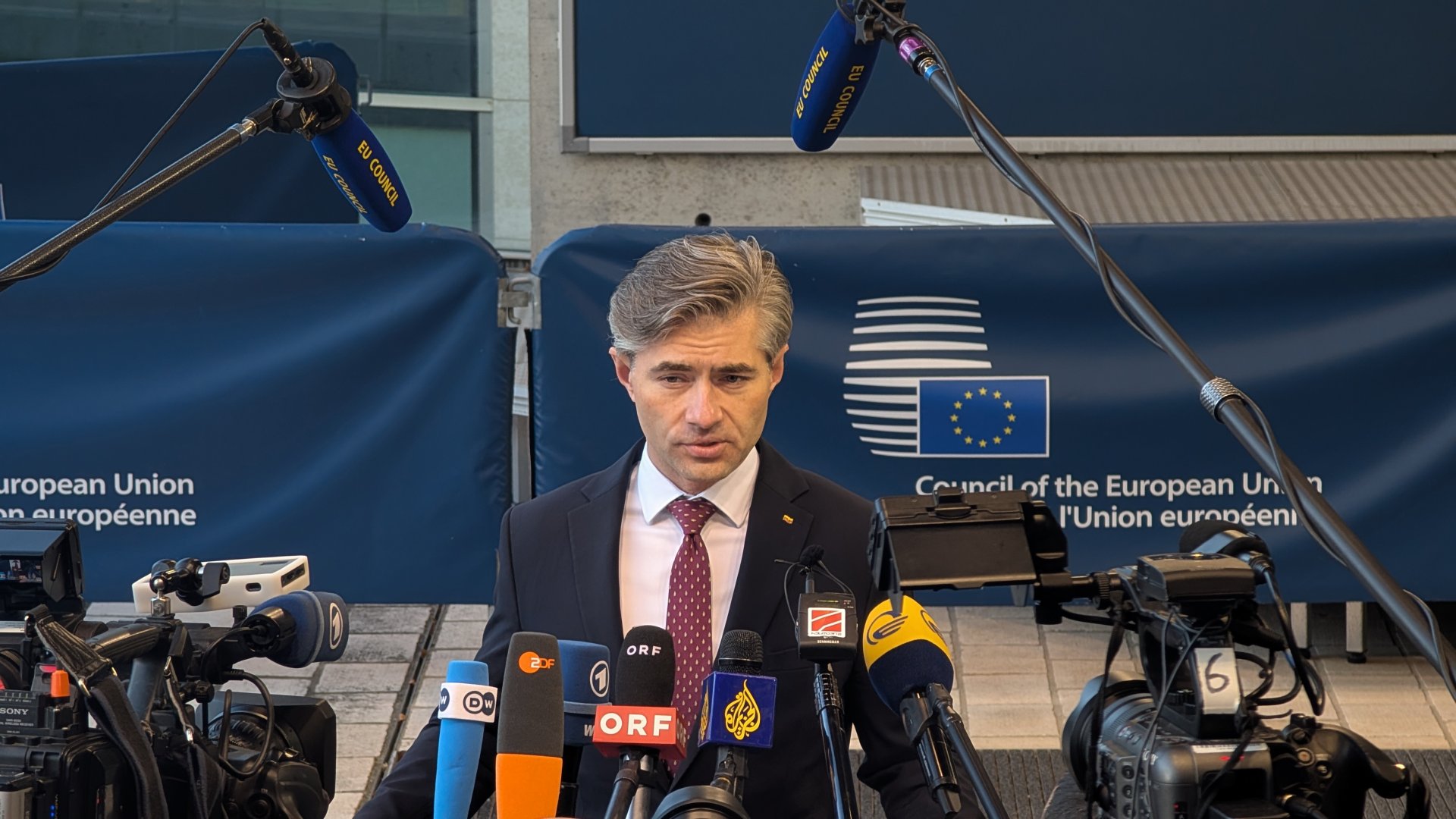
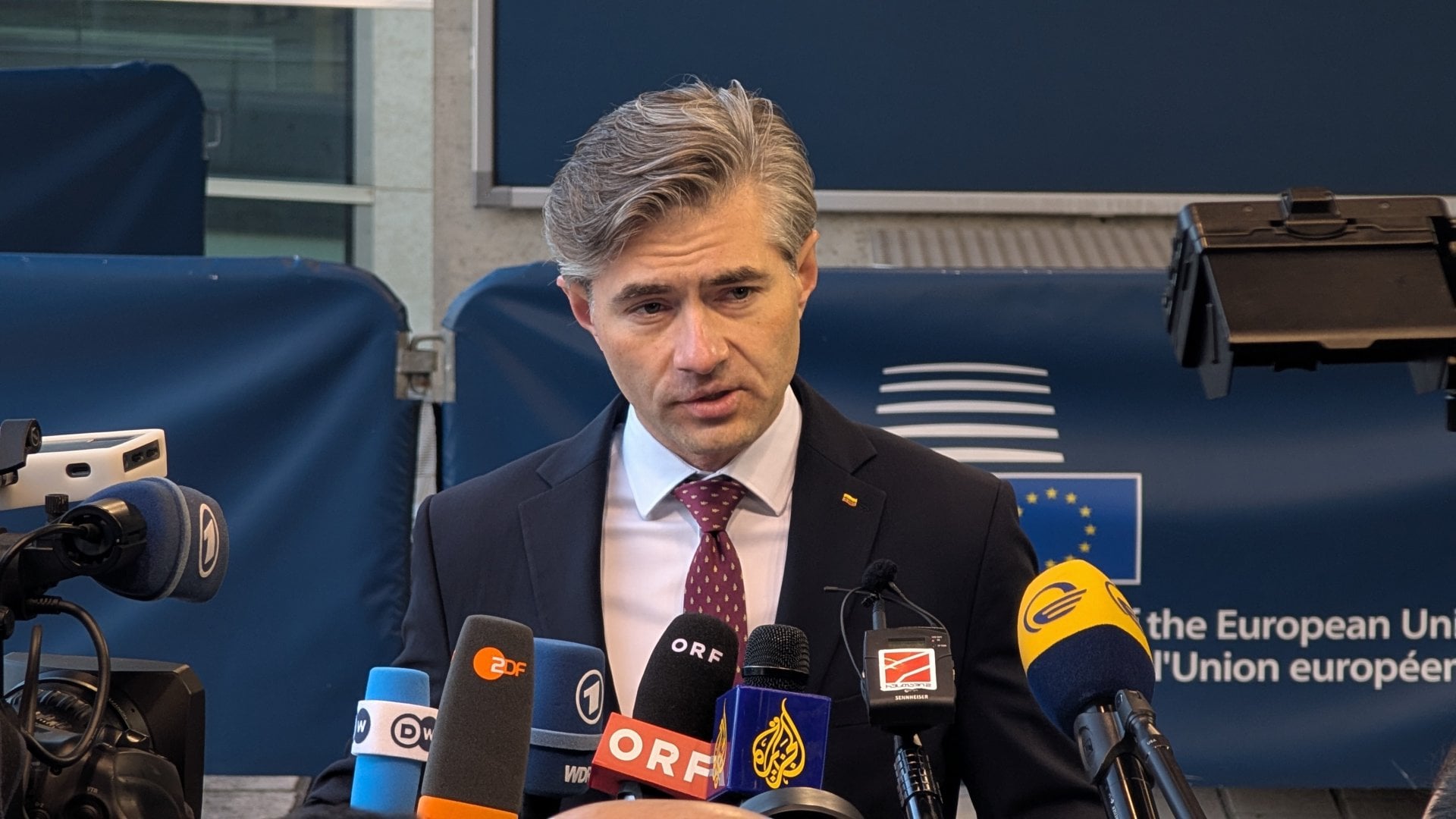
On 12 October, Lithuanian Minister of Foreign Affairs Kęstutis Budrys, attending the European Union (EU) Foreign Affairs Council in Luxembourg, called on EU Member States to take more decisive action to strengthen European security, increase pressure on Russia and maintain the momentum of Ukraine’s EU integration.
According to Lithuania’s Foreign Minister, European security today is inseparable from Ukraine’s victory and its membership of the EU.
“EU enlargement to include Ukraine is a geopolitical necessity for Europe. By delaying Ukraine’s accession process, we risk not only losing strategic momentum, but also failing to harness Ukraine’s unique potential to strengthen security across Europe. Ukraine’s military experience, defence technologies and resilience under wartime conditions are assets that Europe cannot afford to ignore,” Budrys stressed.
Ministers from the 27 Member States agreed on new sanctions targeting 1,600 entities and individuals linked to Russia’s military industry, information operations and destabilising activities in Europe.
Budrys also emphasised that pressure on Russia must continue to increase, including by strengthening sanctions against Russia’s financial and energy sectors, restricting the Kremlin’s revenues from energy exports, expanding measures to counter Russia’s shadow fleet, and seeking solutions to use frozen Russian assets for Ukraine’s needs.
The meeting also addressed Russia’s hostile activities against EU Member States, which, according to the Minister, have long since gone beyond the realm of hybrid attacks.
“These are acts of sabotage, subversion and kinetic attacks designed to intimidate our societies and test our unity. The EU and NATO response must be swift, united and deterrent,” Budrys said, proposing the suspension of the issuance of Schengen visas to Russian citizens and the designation of Russia’s intelligence services as terrorist organisations.
The Council also discussed the situation in Georgia, the Middle East and Iran’s actions in the Strait of Hormuz. Lithuania expressed support for additional EU sanctions against Iran over its destabilising role in the region and the threat it poses to international shipping and energy security. In Luxembourg, the Minister also took part in a discussion on EU strategic communication and countering disinformation.
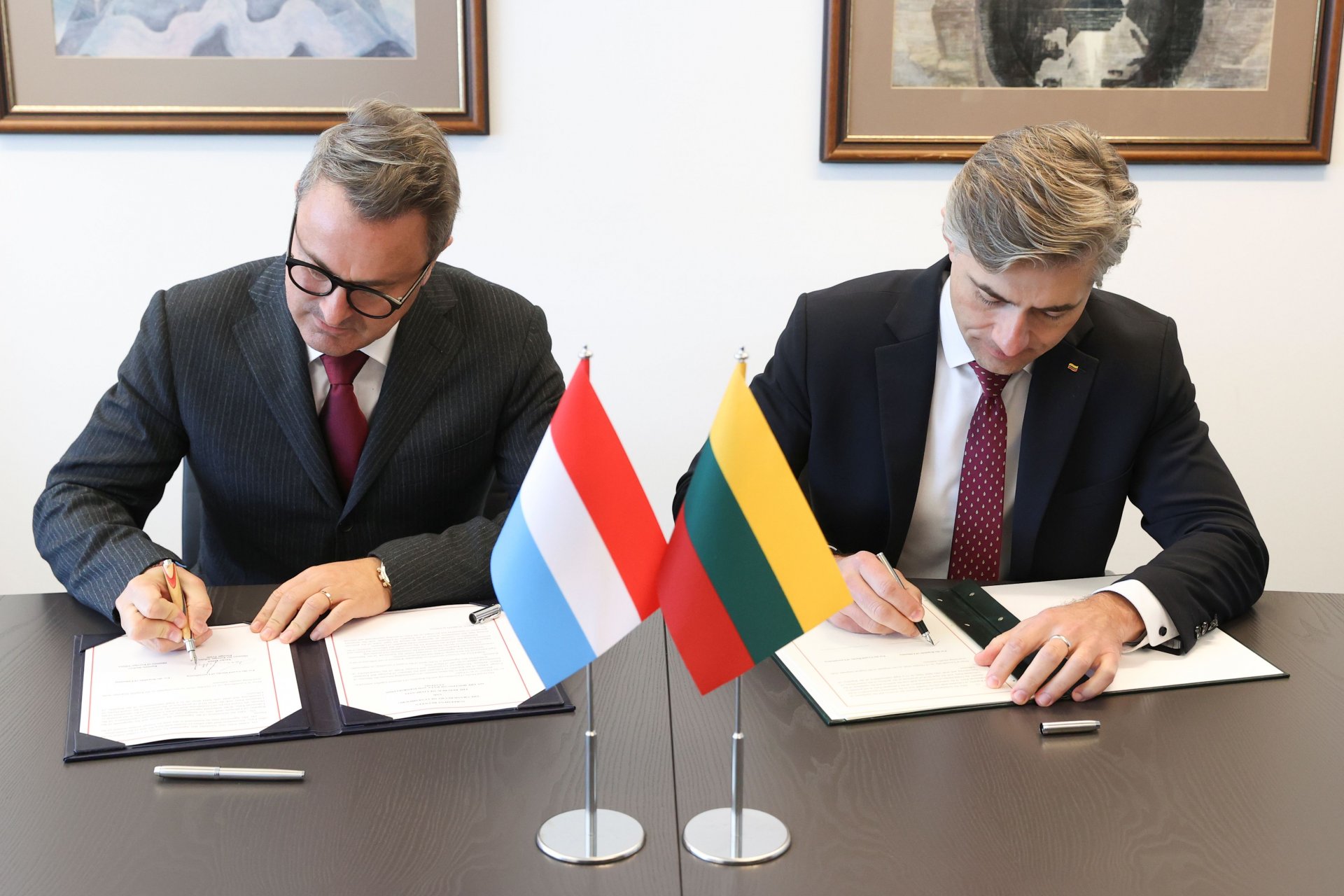
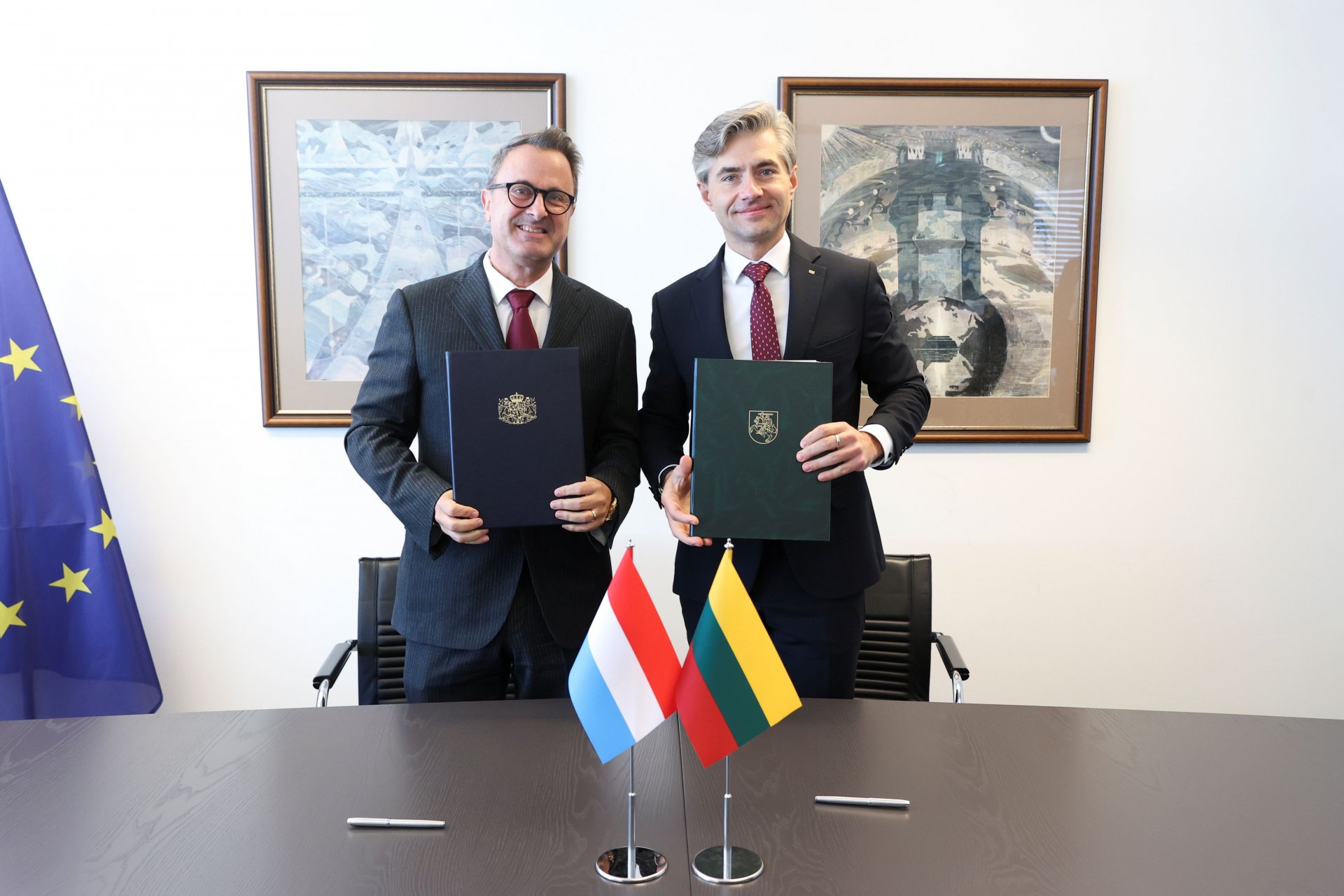
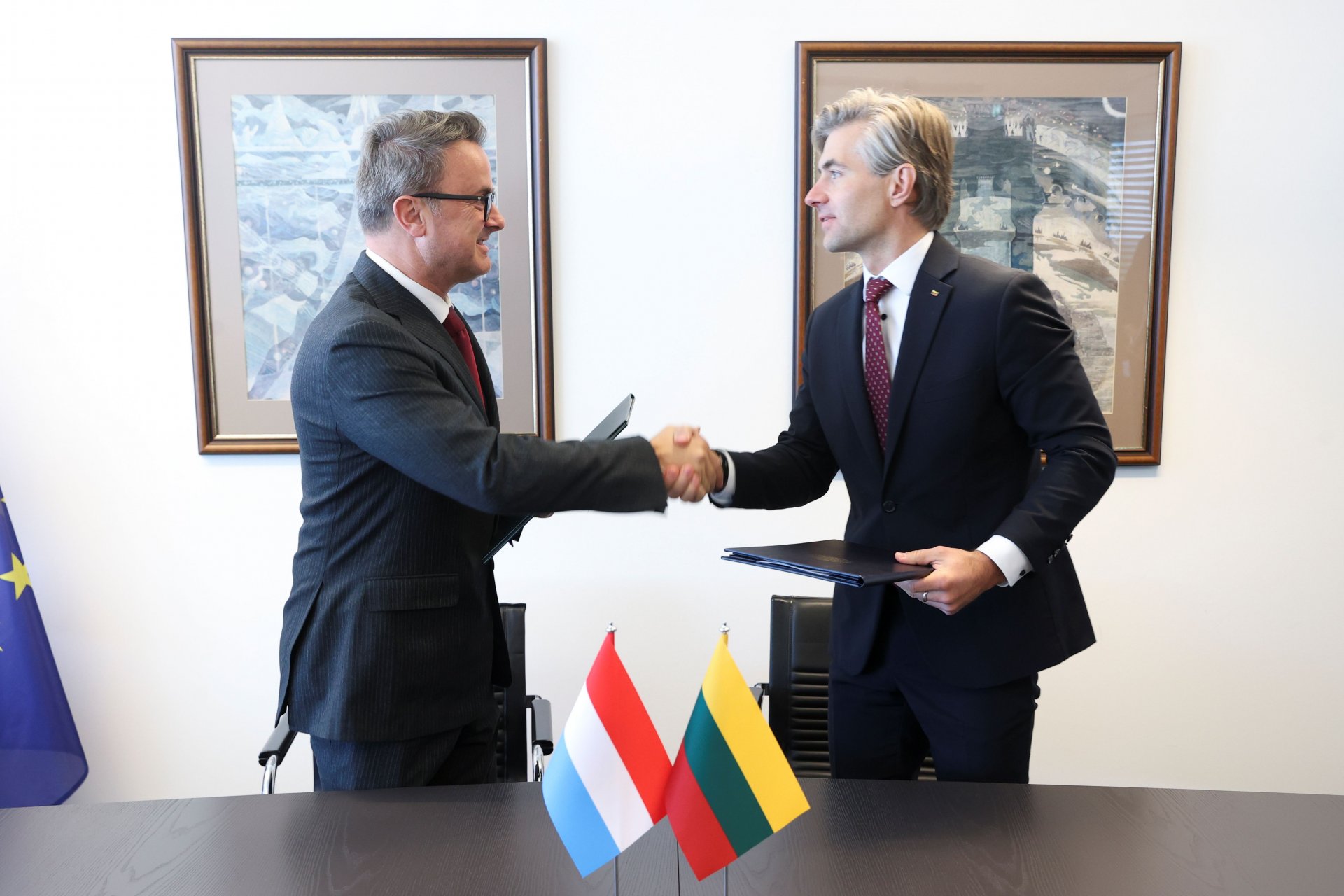
In the margins of the Foreign Affairs Council, Budrys signed a bilateral agreement with Luxembourg on data protection. The agreement will provide a legal basis for hosting Lithuanian data and information systems in Luxembourg and will establish the legal status of the premises designated for this purpose, as well as the necessary privileges and immunities.

Social media