


Budrys in Brussels: EU-funded infrastructure projects in Europe’s neighbourhood must aim to reduce Russia’s political and economic influence
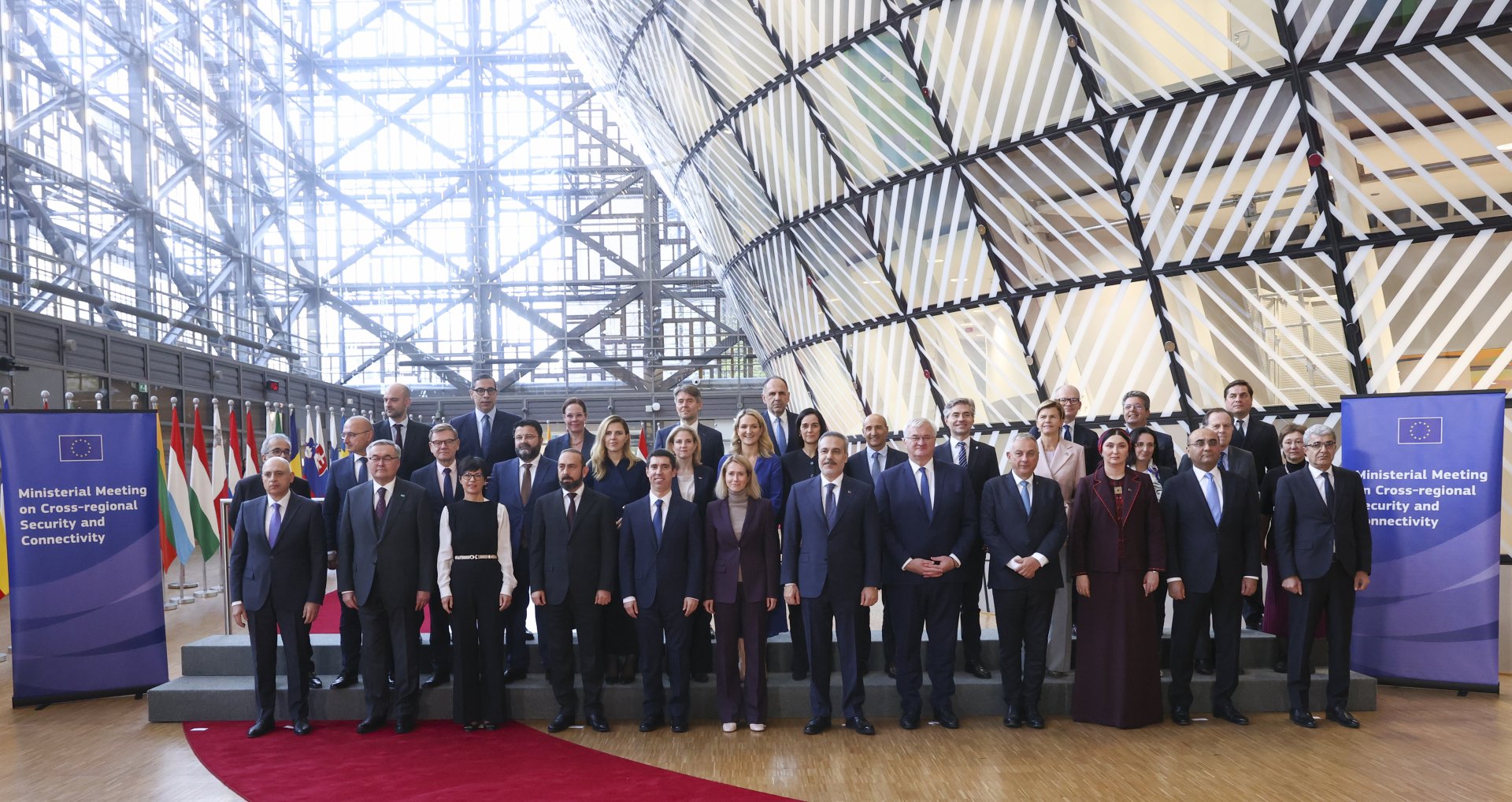
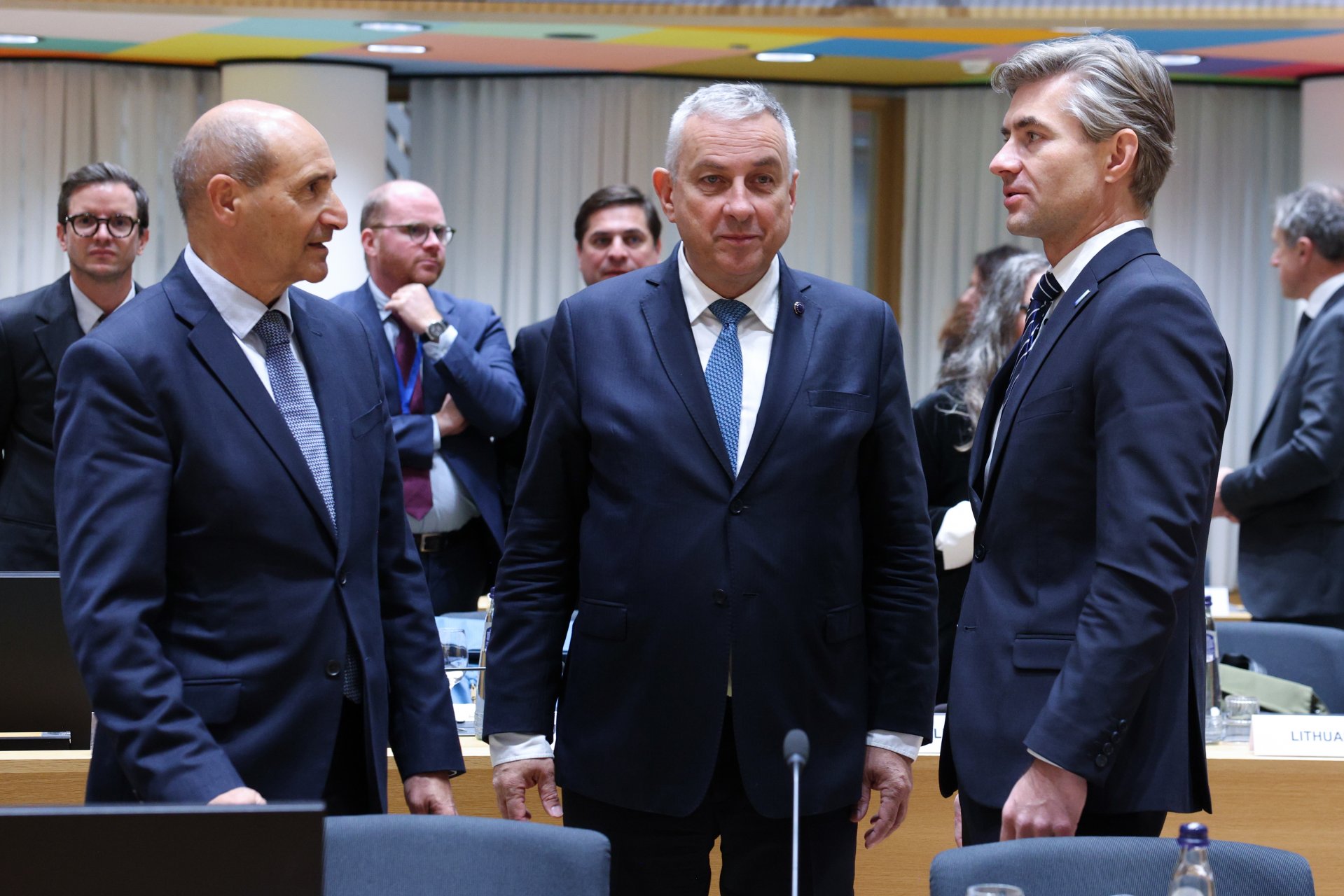
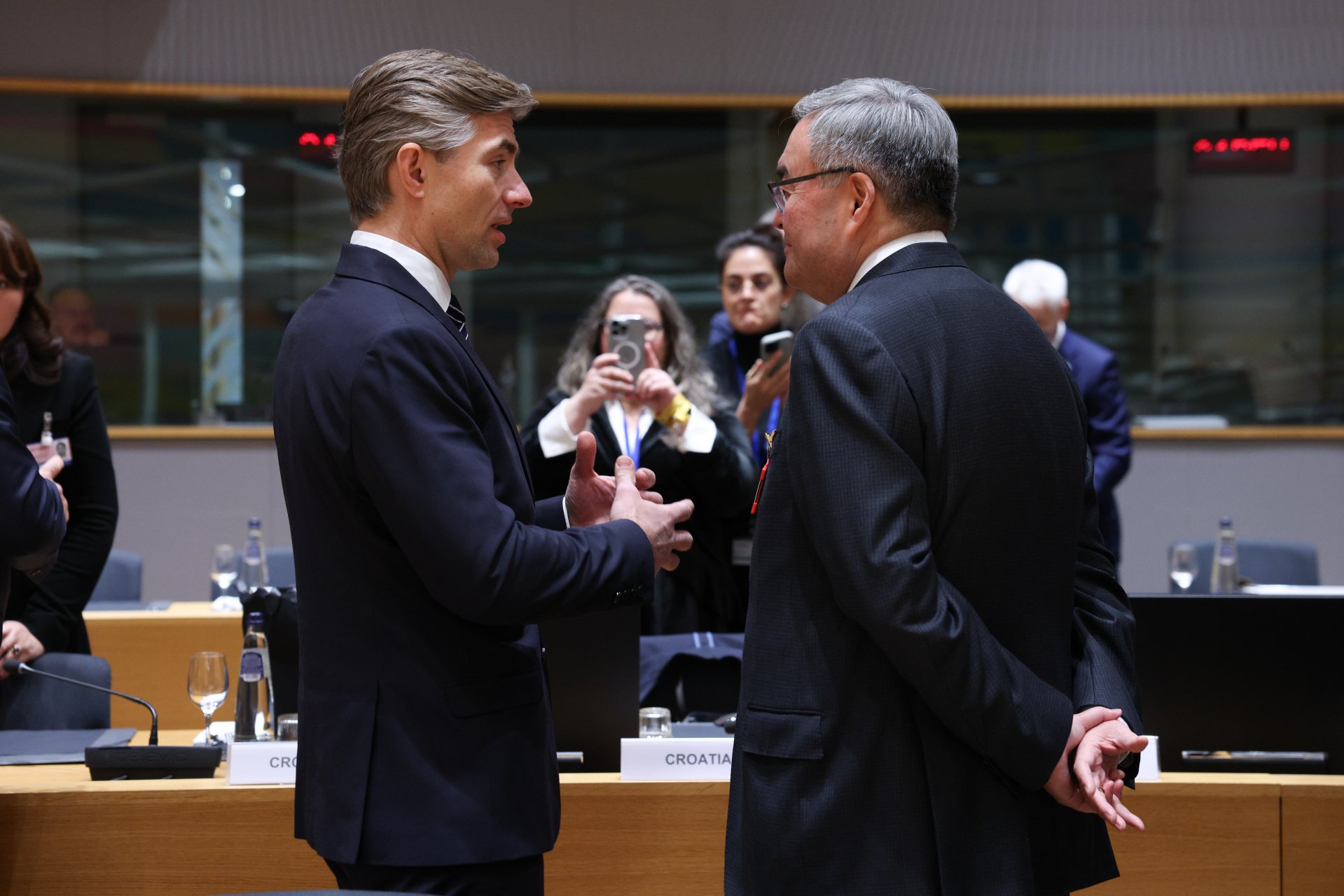
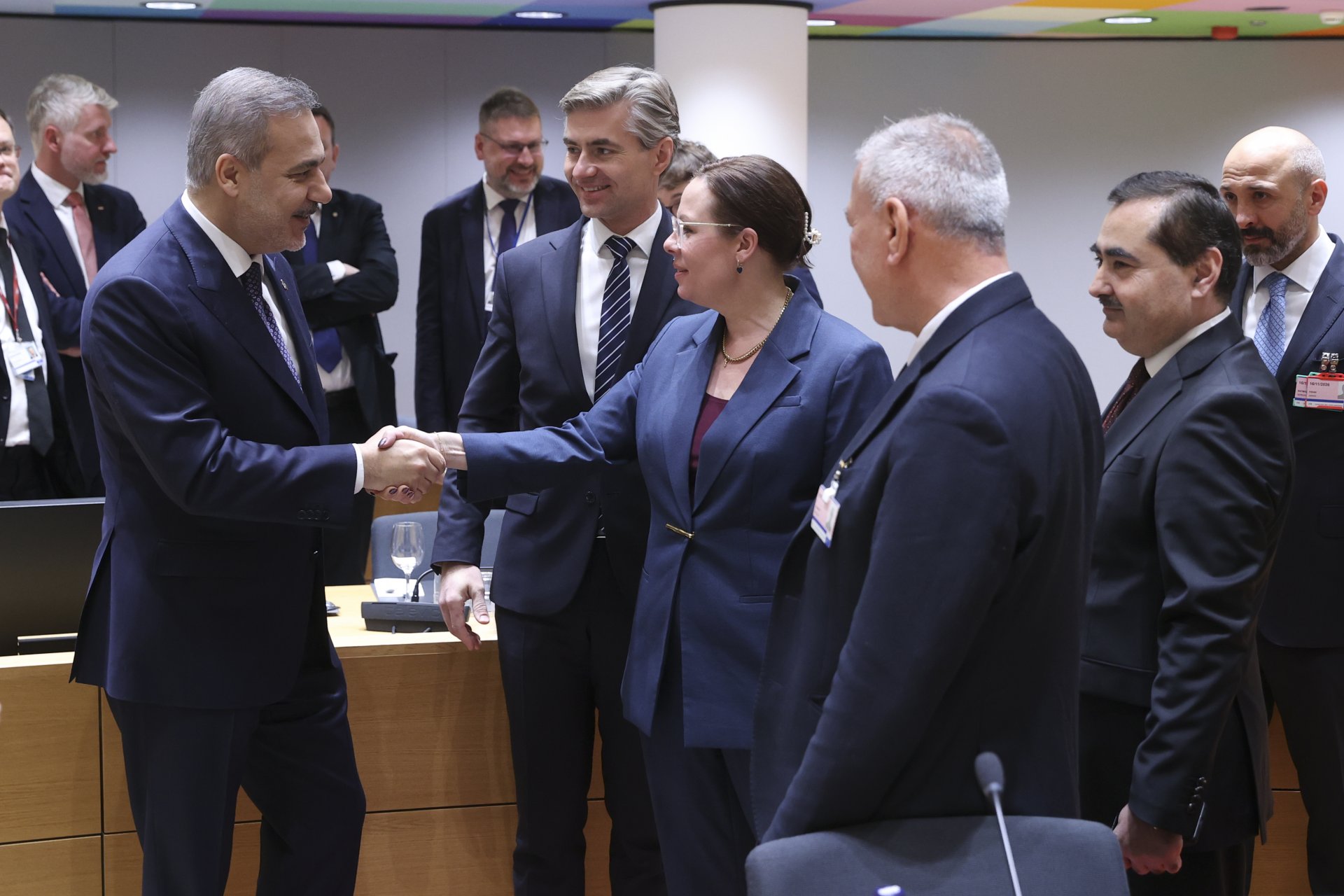
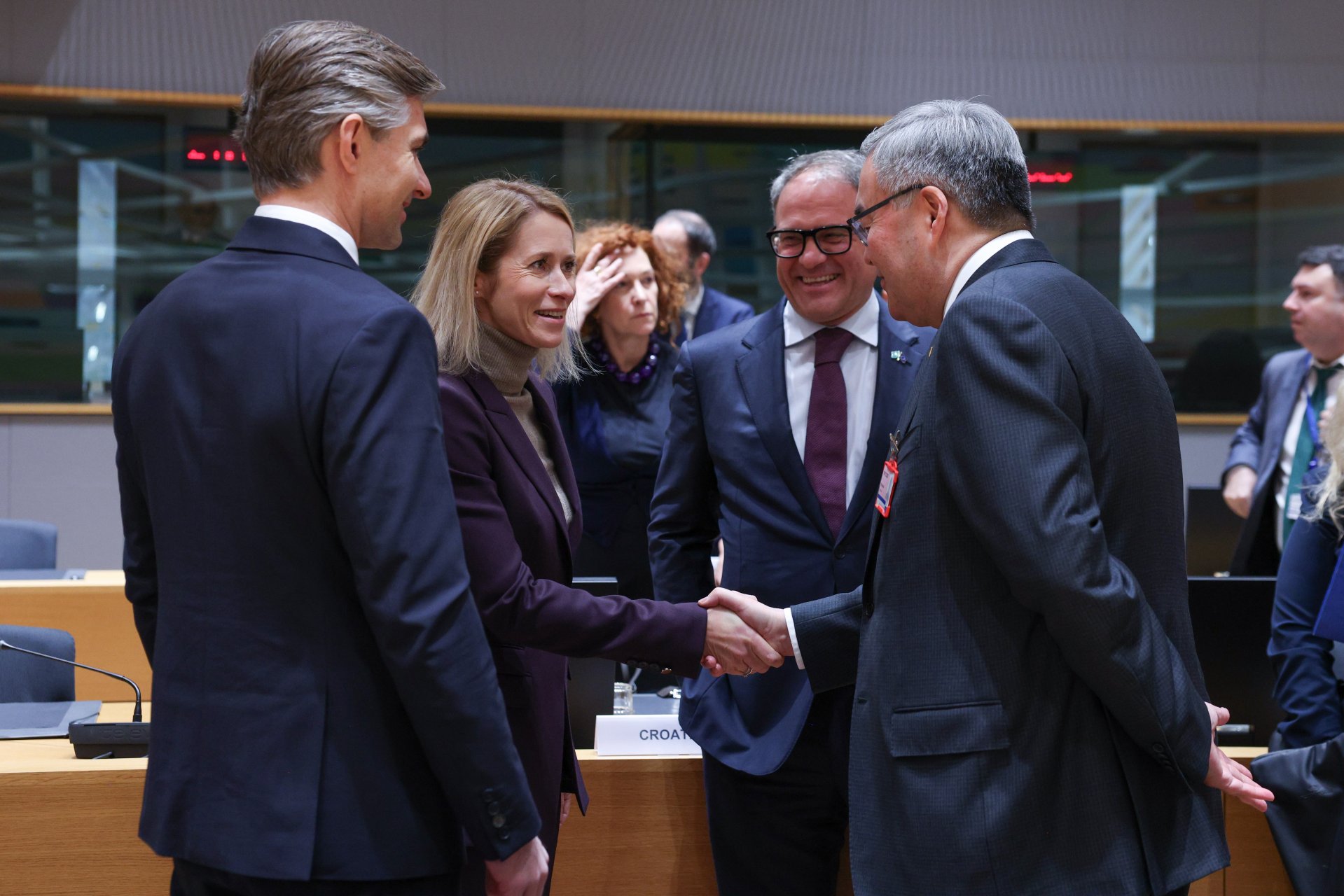
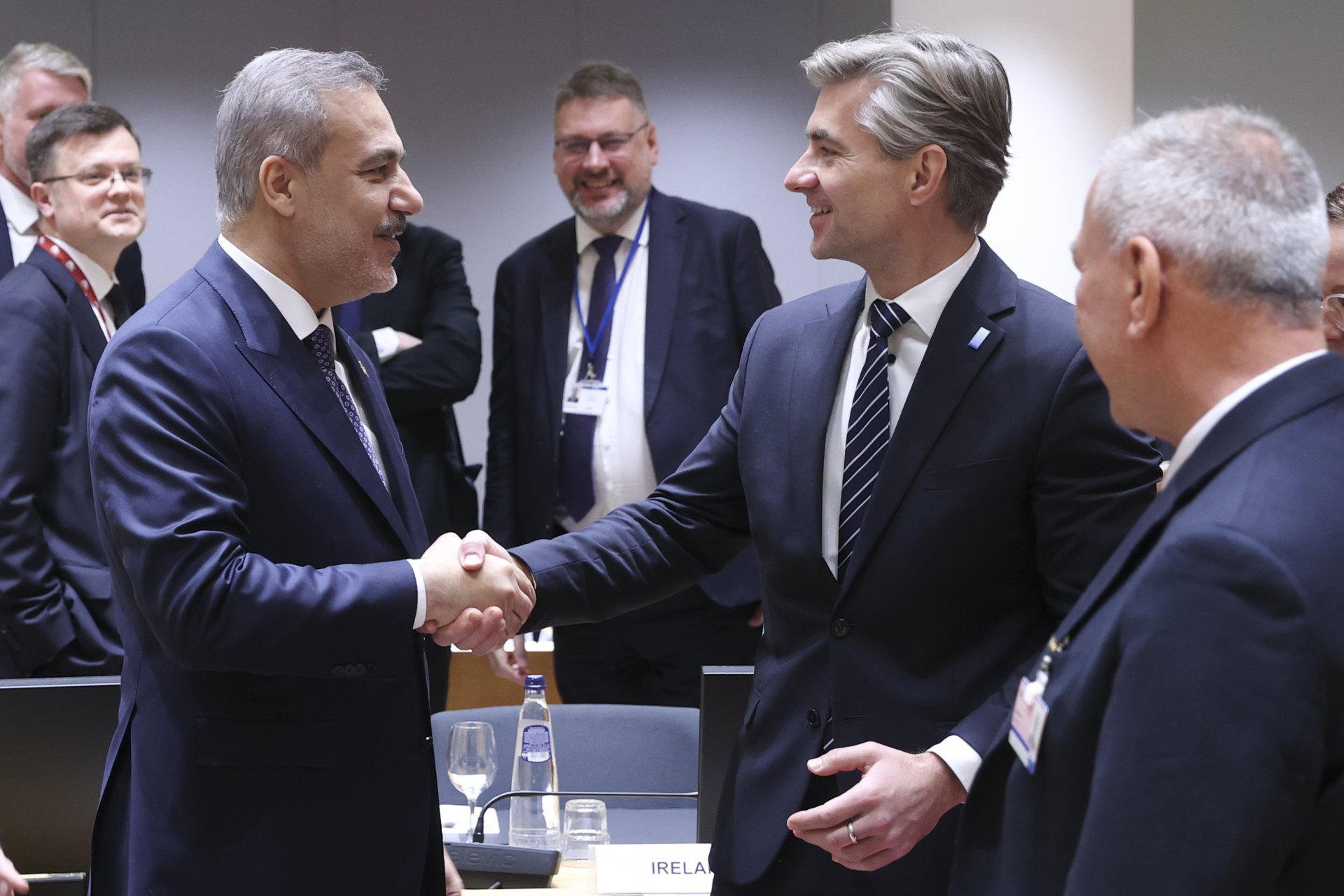
On 16 November, Minister of Foreign Affairs Kęstutis Budrys attended the second interregional foreign ministers’ meeting on connectivity and security in Brussels. The meeting focused on the implementation of the European Union’s (EU) Black Sea Strategy and EU support for connectivity projects linking the EU with countries in the Black Sea, South Caucasus and Central Asian regions.
“EU-supported interregional connectivity projects must aim to reduce Russia’s political and economic influence, develop energy and transport links that bypass the aggressor Russia and its accomplice in the war, Belarus, and contribute to the economic and energy independence of countries in the Black Sea, South Caucasus and Central Asian regions. Lithuania stands ready to share the experience it has gained in achieving complete economic and energy independence from Russia,” Budrys said.
According to Lithuania’s Foreign Minister, alternative connections will also contribute to joint efforts by the EU and countries in its neighbourhood to prevent Russia from circumventing the sanctions imposed on it.
The meeting also addressed interregional security, efforts to counter hybrid threats posed by Russia, and democratic and rule-of-law reforms in countries in the Black Sea, South Caucasus and Central Asian regions.
In addition to the foreign ministers of EU Member States, the meeting was attended by ministers and deputy ministers from Moldova, Türkiye, Ukraine, the South Caucasus and Central Asian countries.
Social media


