


Budrys in Brussels emphasized continued support for Ukraine, pressure on Russia, and countering hybrid threats in the Baltic Sea
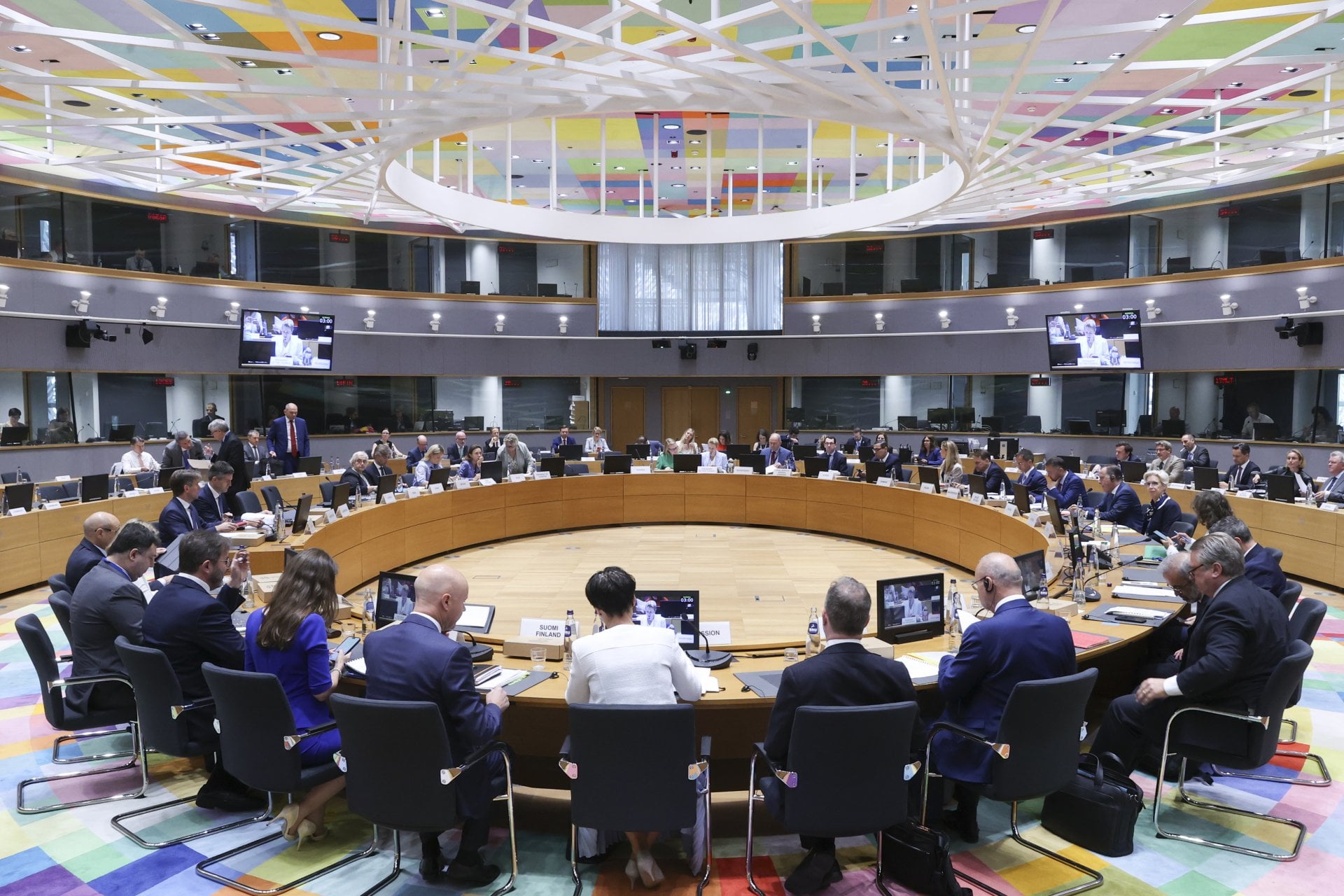
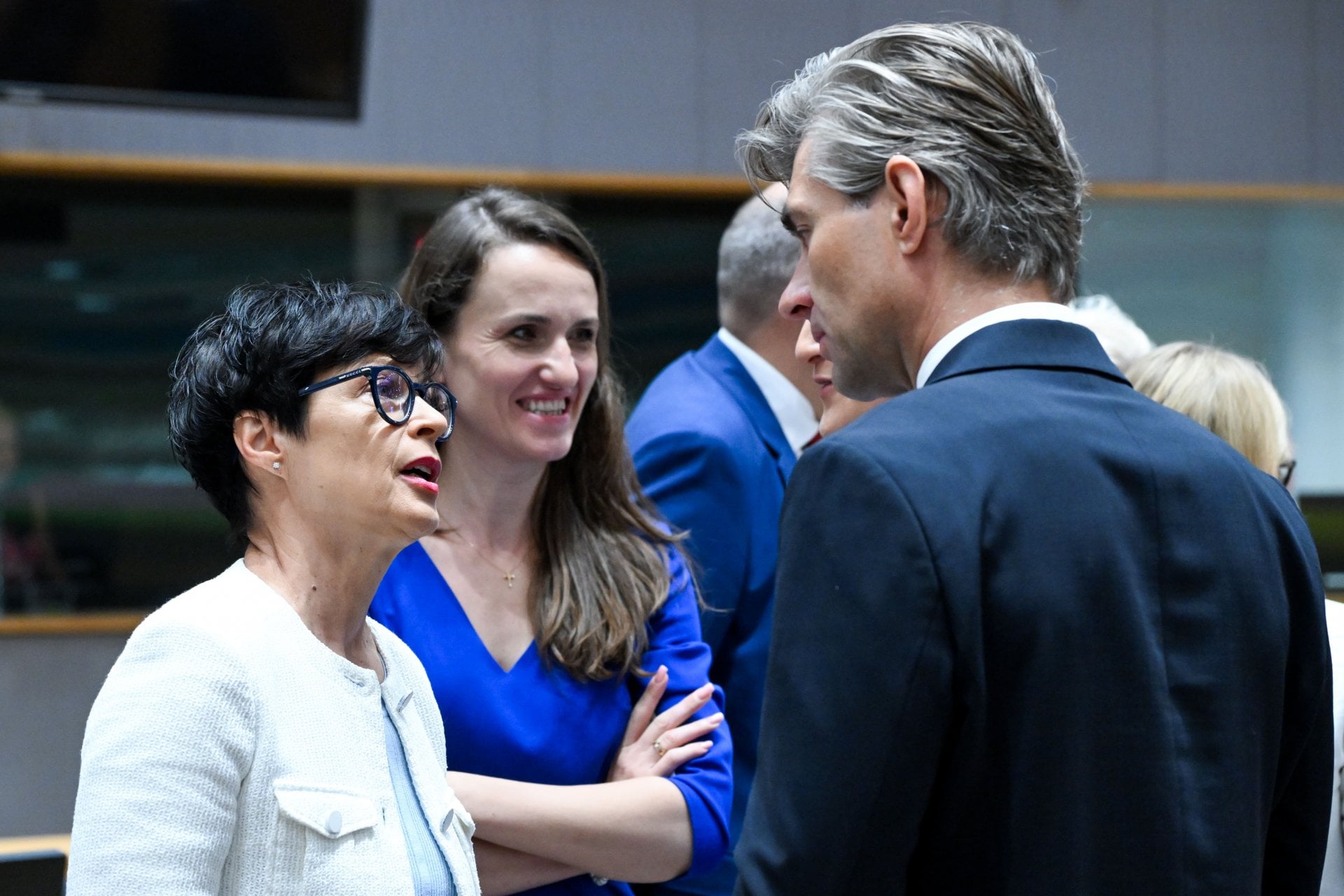
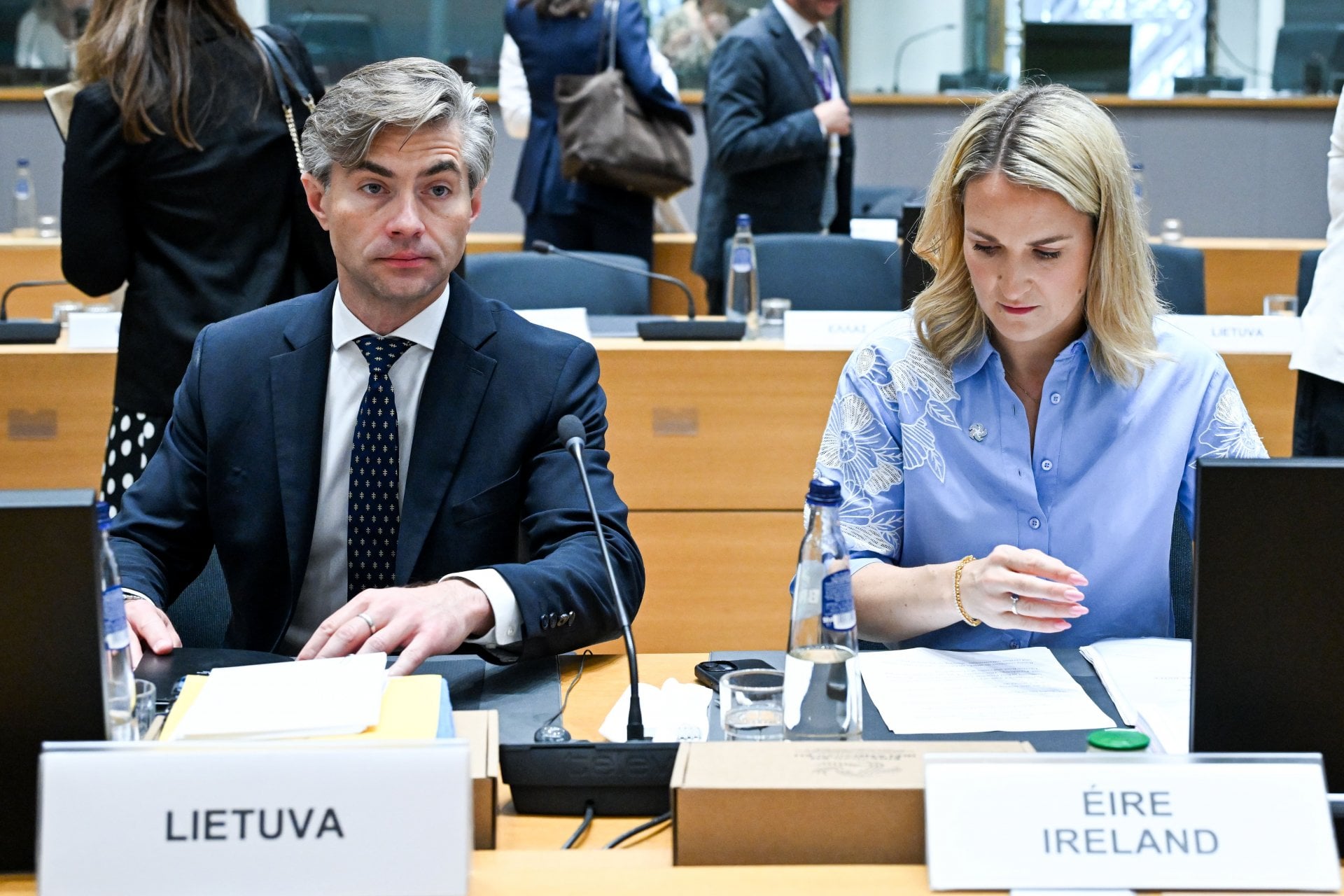
On 13 July, the Minister-designate of Foreign Affairs, Kęstutis Budrys, attended the European Union's Foreign Affairs Council in Brussels, which focused on support for Ukraine, measures to increase pressure on Russia and the situation in the Middle East.
"As Russia continues its attacks against Ukraine, its critical and civilian infrastructure, and civilian population, we must find ways to immediately hand over additional air defence support for Ukraine, to ensure support for the protection and reconstruction of Ukraine’s energy sector in the context of the upcoming winter," Budrys said.
The Minister urged EU partners to implement Ankara's decisions on military support for Ukraine with a special focus on air defence and drone production.
The Minister also said it was necessary to continue mobilising support for the protection of Ukraine's energy infrastructure, emergency recovery and decentralised solutions. According to Budrys, Lithuania has already provided over 110 million euros of support for Ukraine's energy sector since 2022 and will provide an additional 4 million euros of support for solar power plants and energy storage systems in schools and hospitals.
Budrys called for adopting a new package of sanctions against Russia in the near future, increasing pressure on Russia to end its aggression.
EU foreign affairs ministers discussed the security situation in the Black Sea region. The EU's strategic approach to the Black Sea, published a year ago, calls for a greater role for the EU in the region in terms of security, connectivity and environmental protection.
"The security situation in the Black Sea region has direct implications for the EU's eastern flank, energy connectivity and global food supply chains. Russia’s detention and full support for Ukraine in its defence against Russia's aggression must remain a key imperative of the EU's strategic approach to the Black Sea. The EU must operate in close coordination with NATO. Tackling hybrid threats in the Baltic Sea remains our priority, and we are ready to share lessons learned with partners in other regions", underlined the Minister.
The Council also discussed the situation in the Middle East, focusing on the blockade of the Strait of Hormuz and the prospects for the implementation of the U.S.-Iran memorandum of understanding, the situation in Gaza, the West Bank and Lebanon.
Social media


