Budrys in Berlin: Cooperation between Lithuania and Germany is not only about deterring Russia, but about our common values and interests
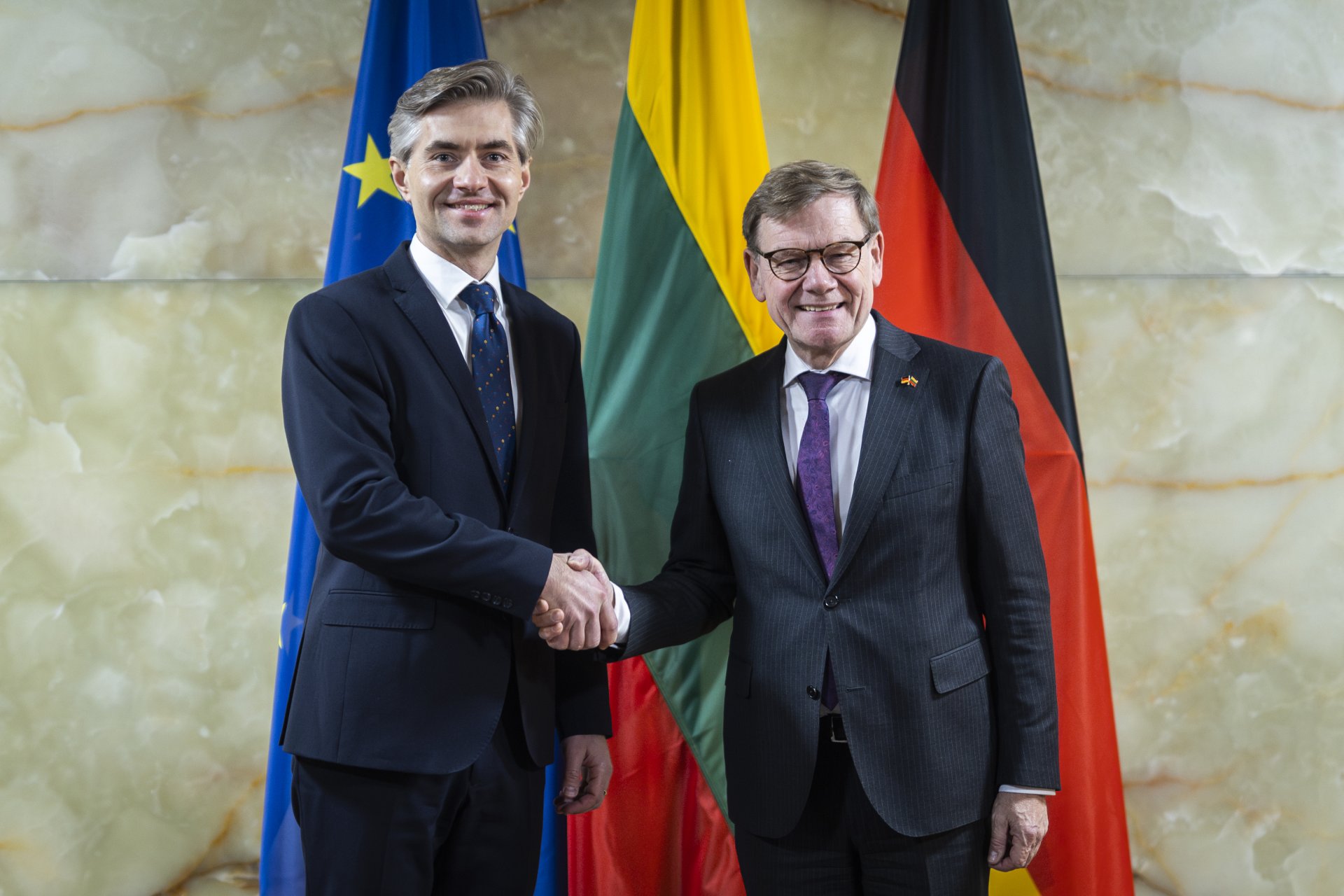
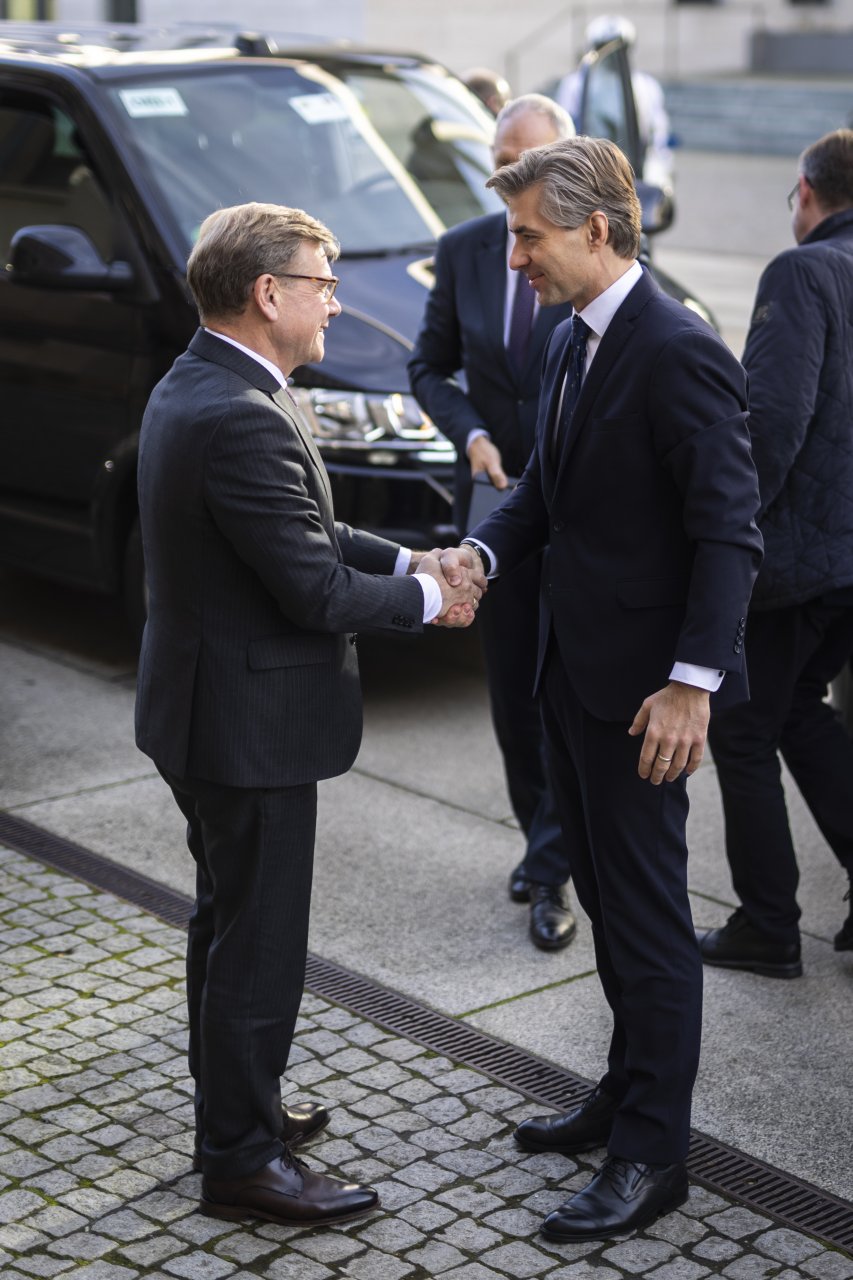
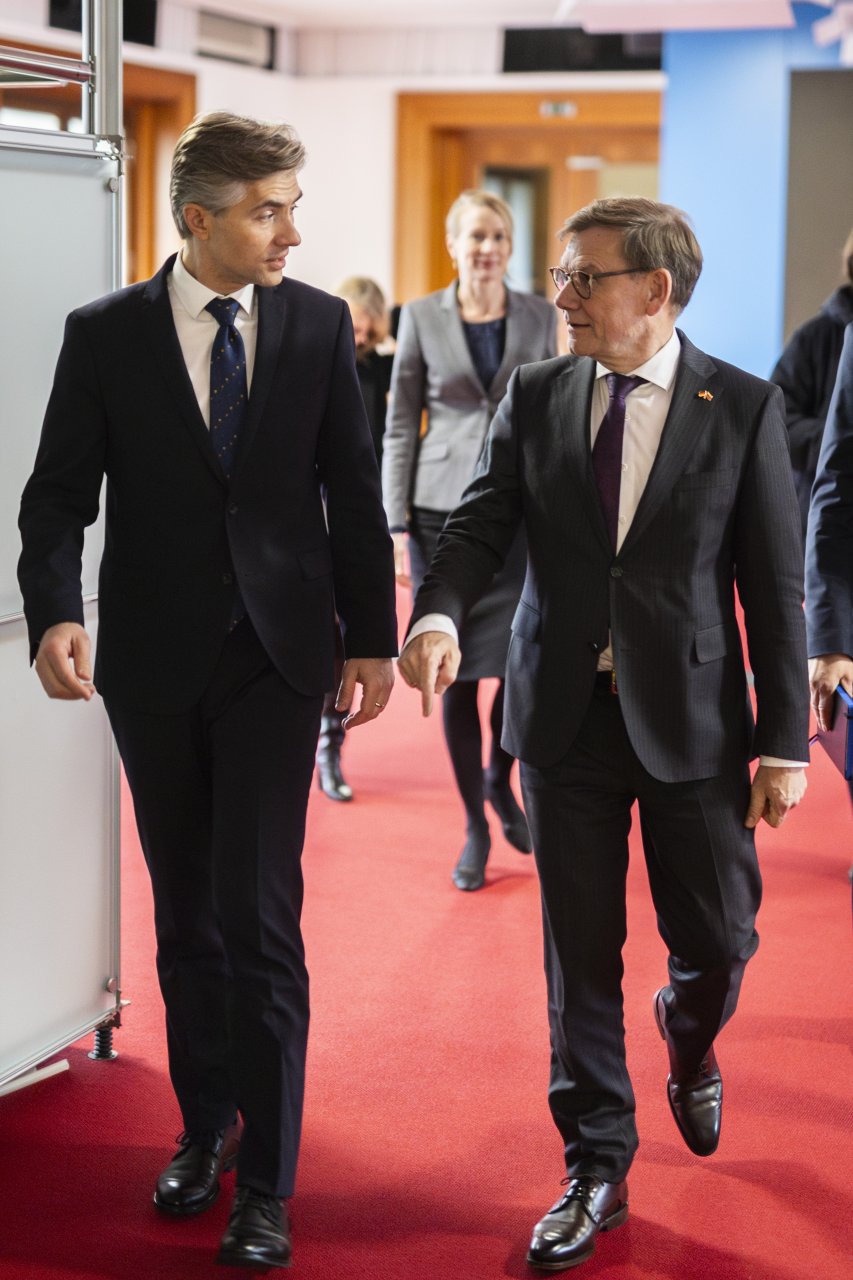
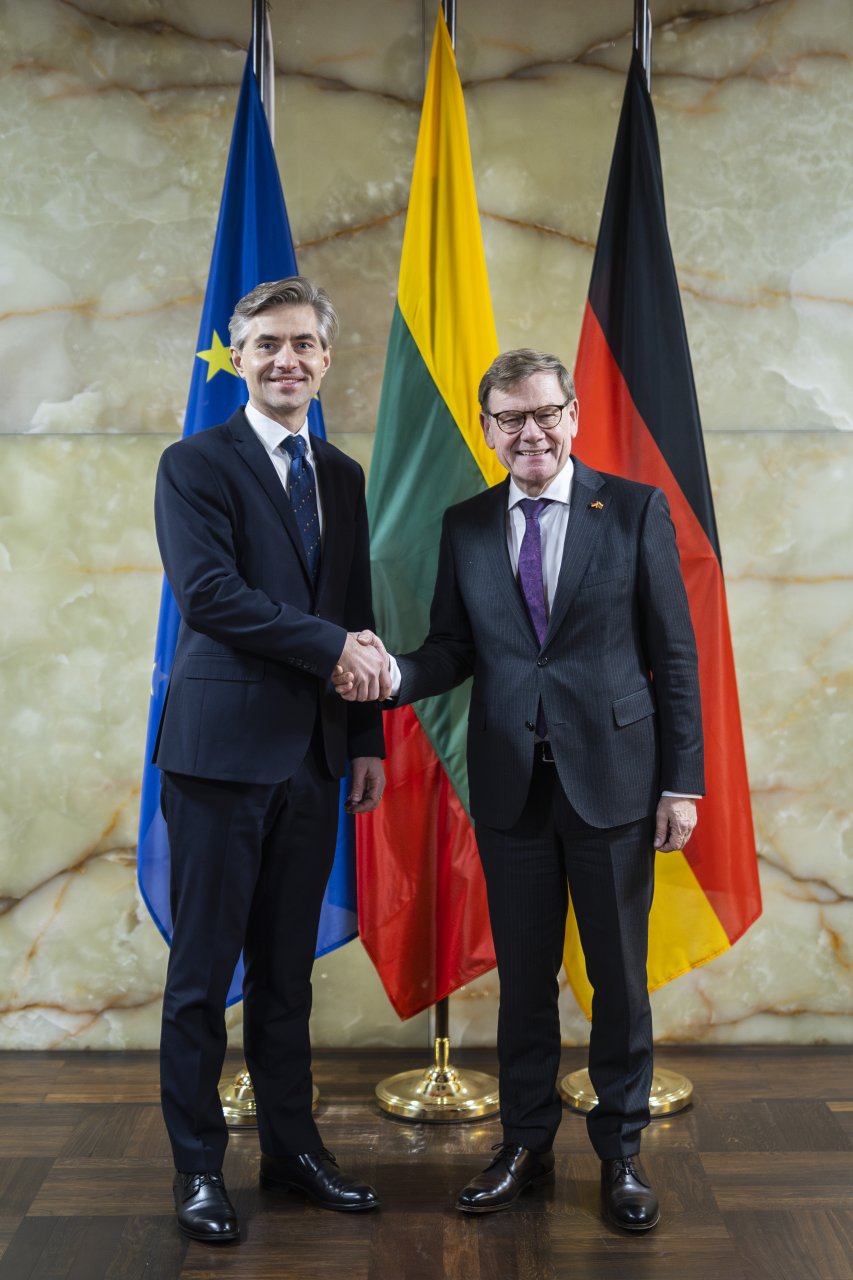
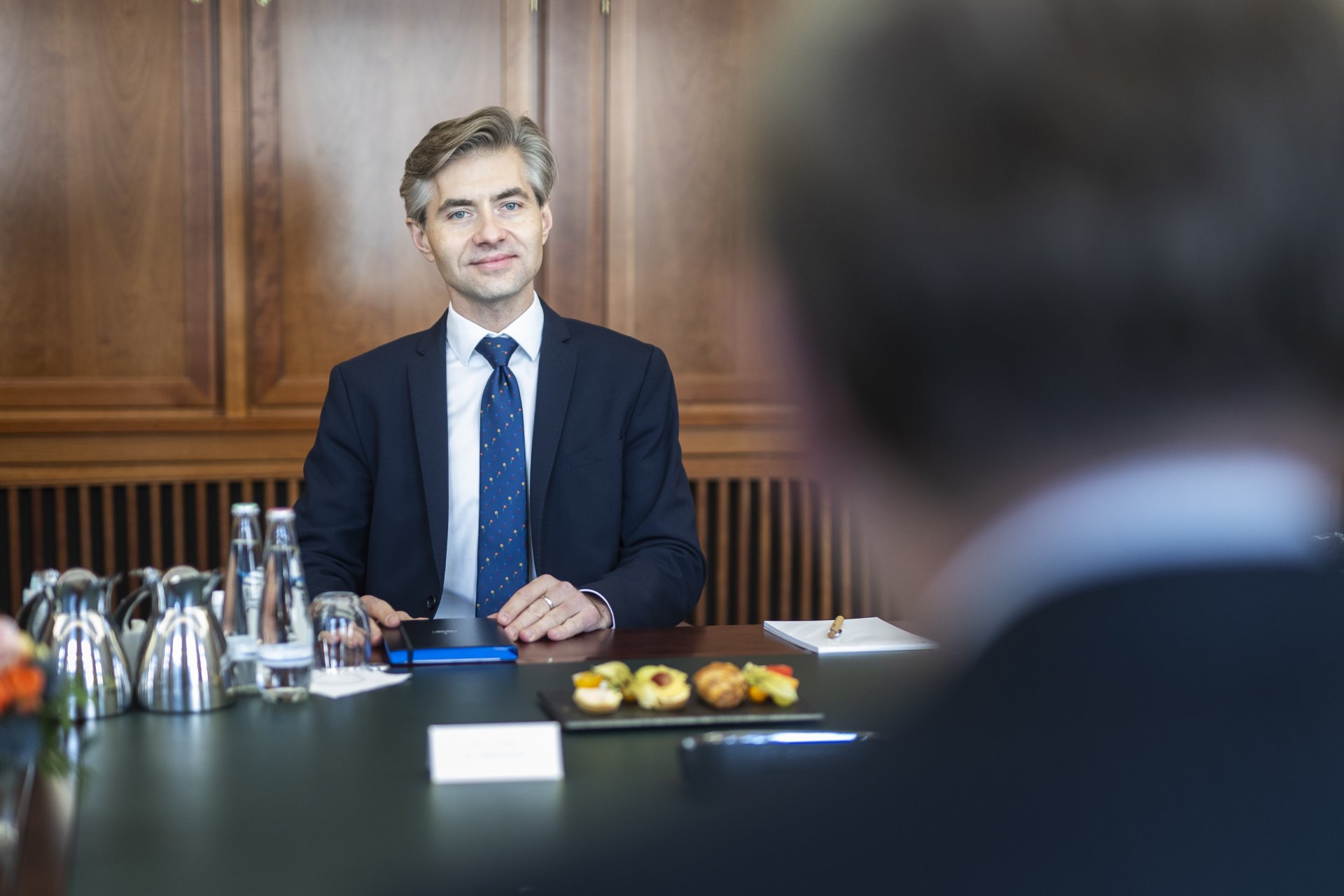
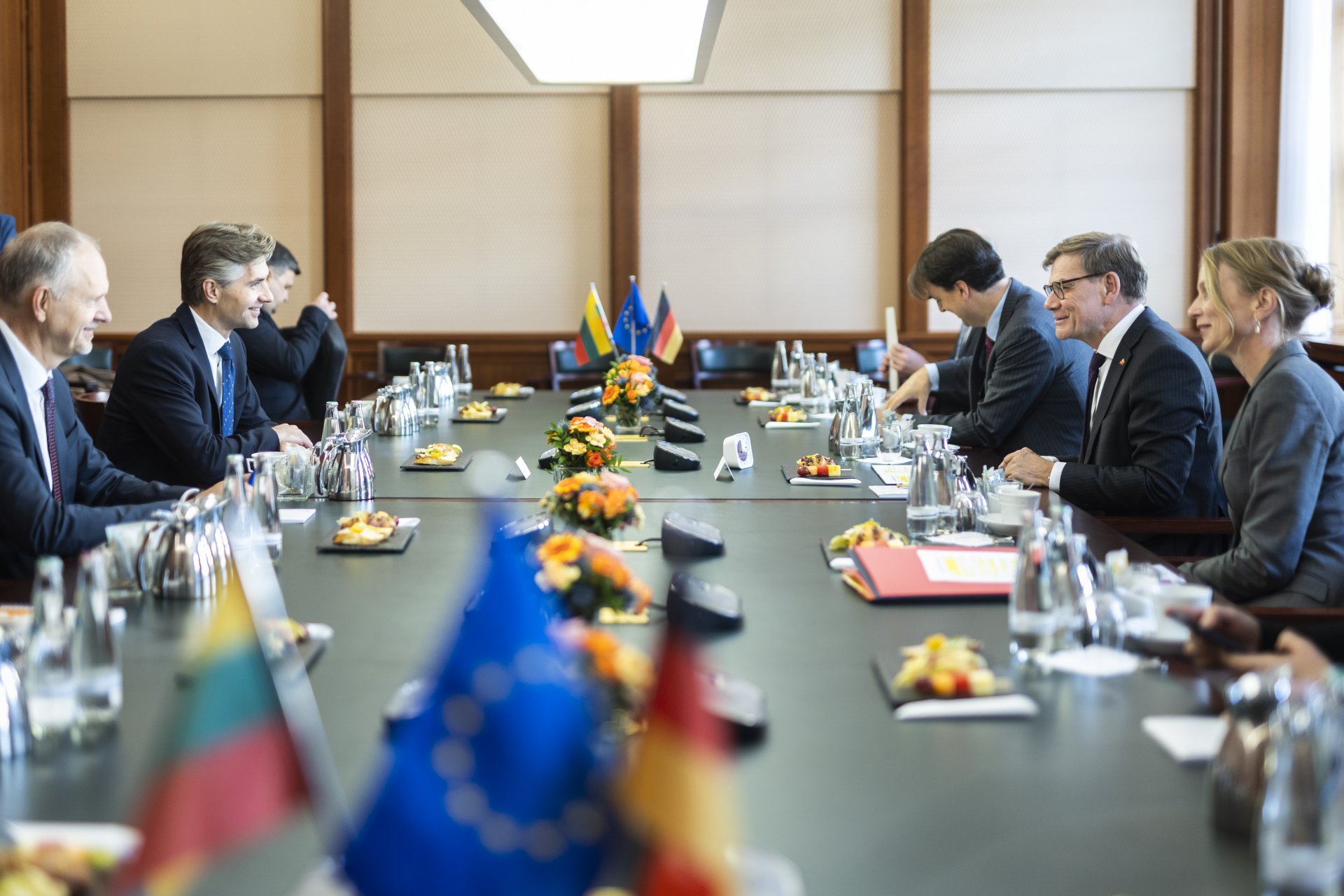
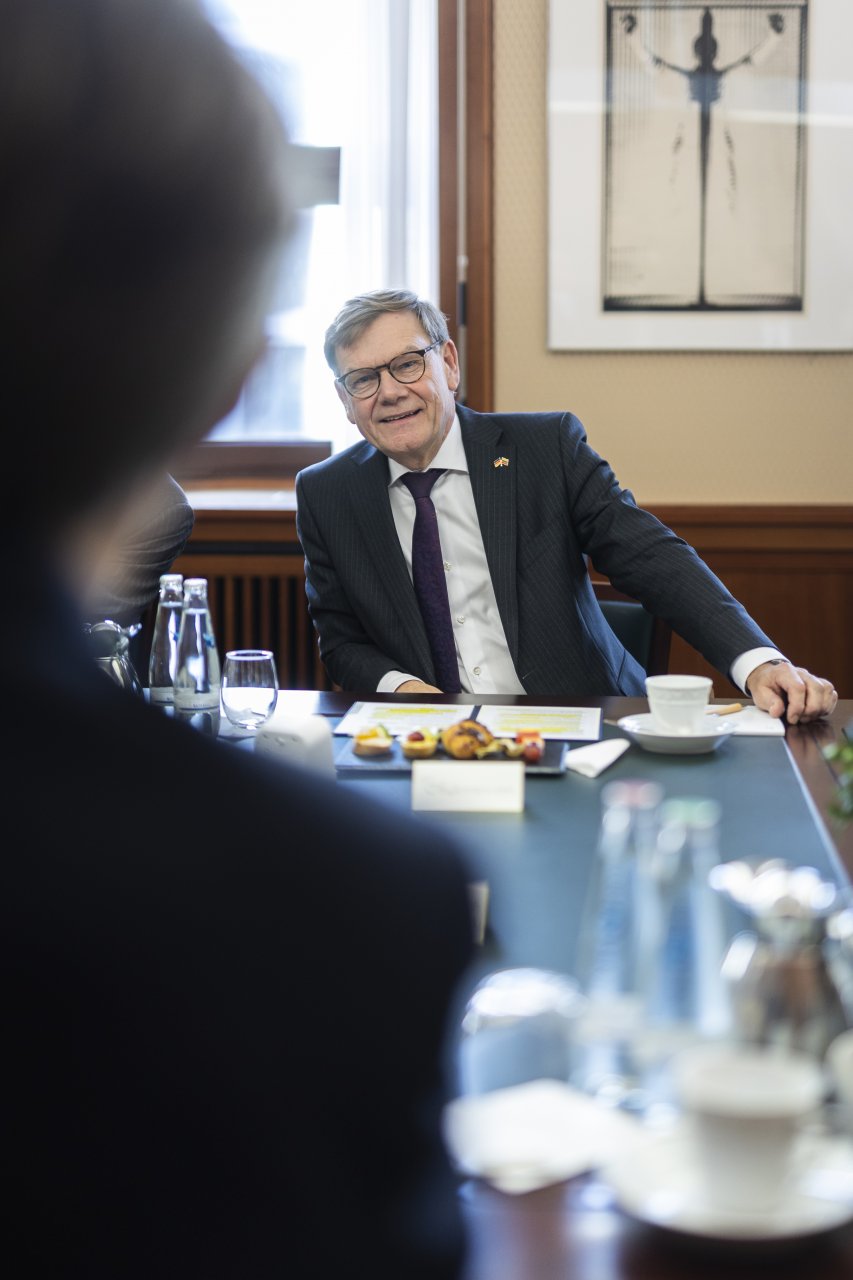
On 19 November in Berlin, the Minister of Foreign Affairs, Kęstutis Budrys, met with the German Federal Minister for Foreign Affairs, Johann Wadephul.
The Lithuanian and German Foreign Ministers discussed bilateral cooperation in defence, economic, and other areas, as well as the security situation in the region, hybrid attacks by Russia and Belarus in Europe, support for Ukraine, the use of Russian frozen assets, sanctions against Russia and Belarus, and transatlantic cooperation.
At the meeting, the Minister stated that cooperation between Lithuania and Germany in the fields of security and defence also presents an opportunity to deepen and expand our strategic partnership in various areas, including the economy, science, business, education, and culture.
"The German brigade in Lithuania is an important factor in strengthening the defence and security of Lithuania and the region as a whole. This cooperation is not only about deterring Russia. It is about our countries, Lithuania and Germany. Our people-to-people contacts, joint economic projects, closer political cooperation, common values and interests," said the Minister.
According to Budrys, the next year's Lithuanian season in Germany will significantly contribute to the deepening of ties between our countries and will further enrich bilateral relations.
The Minister emphasised that Lithuania highly appreciates Germany's leadership in strengthening the security of Lithuania and the entire region. According to Budrys, Lithuania's priority is to create the best possible conditions for the German brigade in Lithuania.
Budrys and Wadephul discussed hybrid attacks carried out by Belarus against Lithuania. The Minister noted that it is not the first time that the Lukashenka regime is conducting hybrid attacks against European states, and that the EU must use measures to stop this by imposing tougher sanctions on the Belarusian regime.
Lithuanian and German diplomatic leaders also discussed the progress of Russia's war against Ukraine and the need for support for Ukraine. Budrys stressed the urgent need to immediately pursue the 20th package of European sanctions against Russia, targeting Russia's energy and financial sectors. Budrys also stressed the necessity to make decisions on the use of frozen Russian assets for the benefit of Ukraine.
"Ukraine's membership of the European Union is primarily in Europe's interests. A strong, democratic and European Ukraine is crucial for our security and stability. It is important to call on Ukrainians to maintain the momentum of European reforms and to accelerate the EU accession talks", said the Minister.
Photos: The German Federal Foreign Office

Social media