


Budrys in Ankara: Stability in the Middle East is a shared interest of NATO and the countries of the region
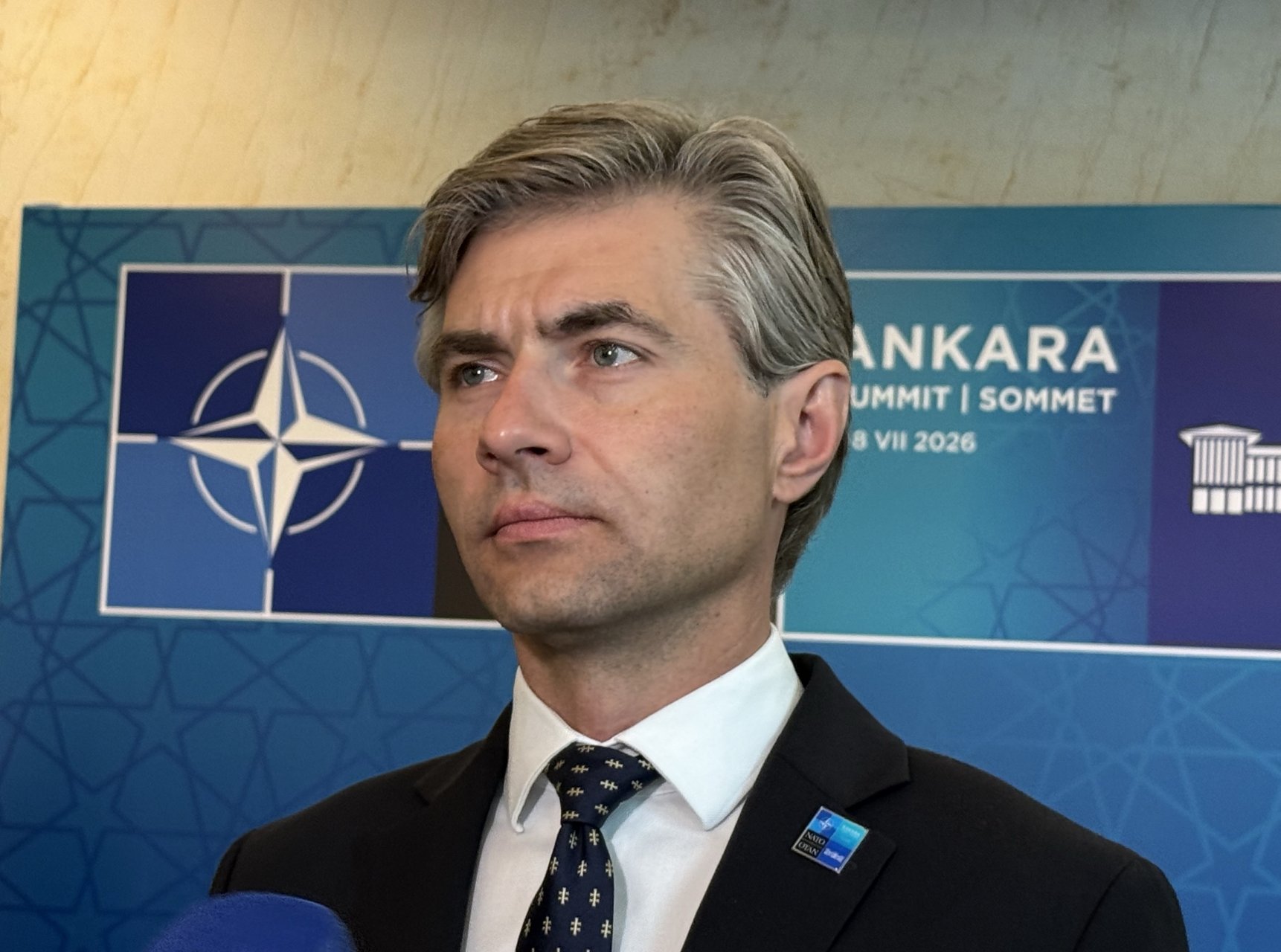
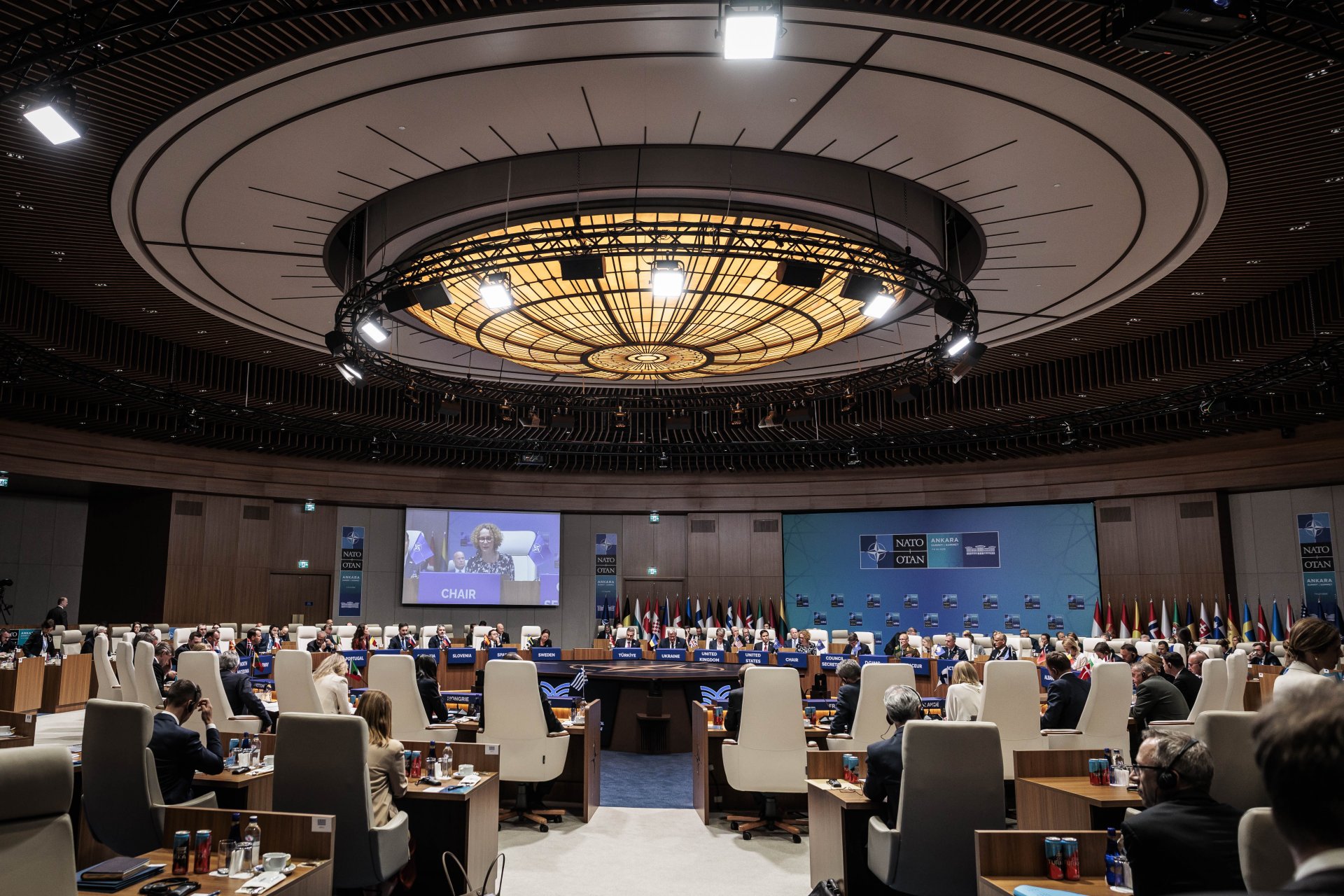
On 7 July in Ankara, the Acting Minister of Foreign Affairs Kęstutis Budrys attended the NATO Istanbul Cooperation Initiative Foreign Ministers' meeting, where, together with representatives of Bahrain, Kuwait, Qatar and the United Arab Emirates, discussed the security situation in the Gulf region, the strengthening of cooperation between NATO and partners, and the joint response to emerging threats.
On 7 July in Ankara, the Acting Minister of Foreign Affairs Kęstutis Budrys attended the NATO Istanbul Cooperation Initiative Foreign Ministers' meeting, where, together with representatives of Bahrain, Kuwait, Qatar and the United Arab Emirates, discussed the security situation in the Gulf region, the strengthening of cooperation between NATO and partners, and the joint response to emerging threats.
The head of Lithuania's diplomacy stressed that security and stability in the Gulf region determine the security of the Euro-Atlantic area.
“The last few months have shown very clearly how closely everything is connected in a globalised world. The war in the Middle East has global consequences both for the world economy and for the security of all of us. It is therefore in the common interest to work closely together between NATO and its partners in the region to stabilise the situation in the region. Lithuania supports the Islamabad Memorandum and the mediation efforts of the Istanbul Cooperation Initiative (ICI) countries to find solutions for the cessation of hostilities, the suspension of Iran's nuclear programme and the opening of the Strait of Hormuz. We are also ready to join the U.S.-led, UK and French-led missions to support freedom of navigation in the Strait of Hormuz," Budrys said.
He also strongly condemned Iran's attacks on Bahrain and Kuwait last week and expressed solidarity with the two countries. Budrys once again expressed Lithuania's support for the sovereignty and territorial integrity of the Gulf states and Jordan.
The Minister also noted that the events of recent months have opened up new opportunities for cooperation between NATO and Gulf partners. He called for exploiting the momentum and further developing practical cooperation projects in the areas of maritime security, counter-terrorism, protection against unmanned systems and chemical, biological, radiological and nuclear (CBRN) threats.
Budrys also welcomed the cooperation between Ukraine and the Gulf states in countering Shahed drones and missile threats, noting that this clearly demonstrates the benefits of a security partnership for both regions.
The Minister stressed that Iran's and Russia's military cooperation continues to pose a threat to the international community and destabilizes both the Middle East and the Euro-Atlantic area. Budrys called on the Gulf states to continue their support for Ukraine and to contribute to international efforts to increase pressure on Russia to halt its aggression against Ukraine.
“It is in our common interest to ensure that Iran, Russia and other actors seeking to undermine the rules-based international order fail to achieve their objectives. This is equally important for the security of both the Middle East and the Euro-Atlantic region," said Budrys.
The Istanbul Cooperation Initiative (ICI) was established at the 2004 Istanbul summit. Bahrain, Kuwait, Qatar and the United Arab Emirates are full participants in the ICI, while Saudi Arabia and Oman take part in selected activities. Cooperation includes defence planning, counter-terrorism, non-proliferation of weapons of mass destruction, civilian preparedness and other areas of security. In 2025, NATO and ICI partners agreed on priority joint projects in the areas of counter-terrorism, anti-drone systems, maritime security and CBRN.

Social media


