


Budrys: Free and secure transit through the Strait of Hormuz is in the common interests of the international community
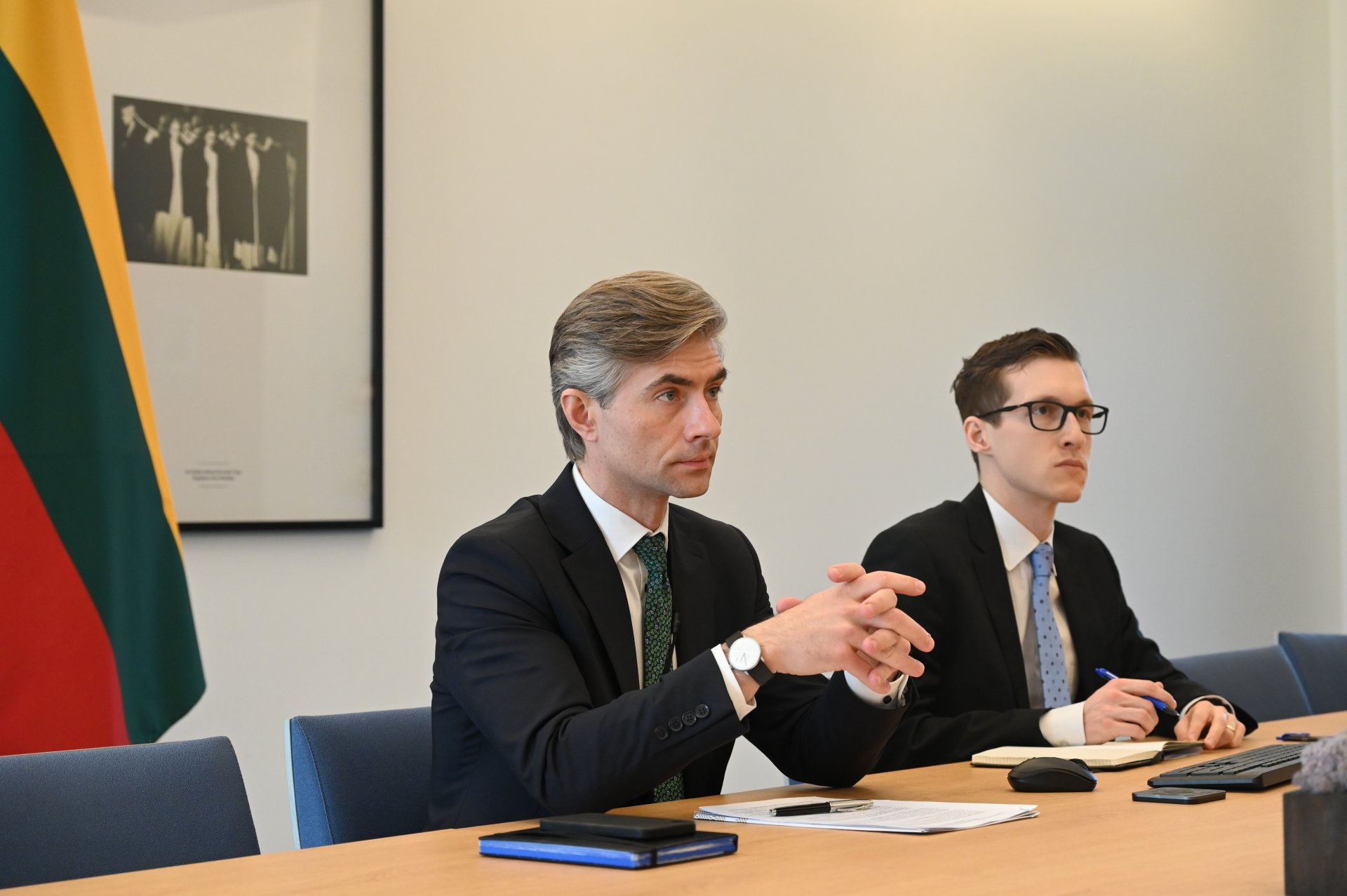
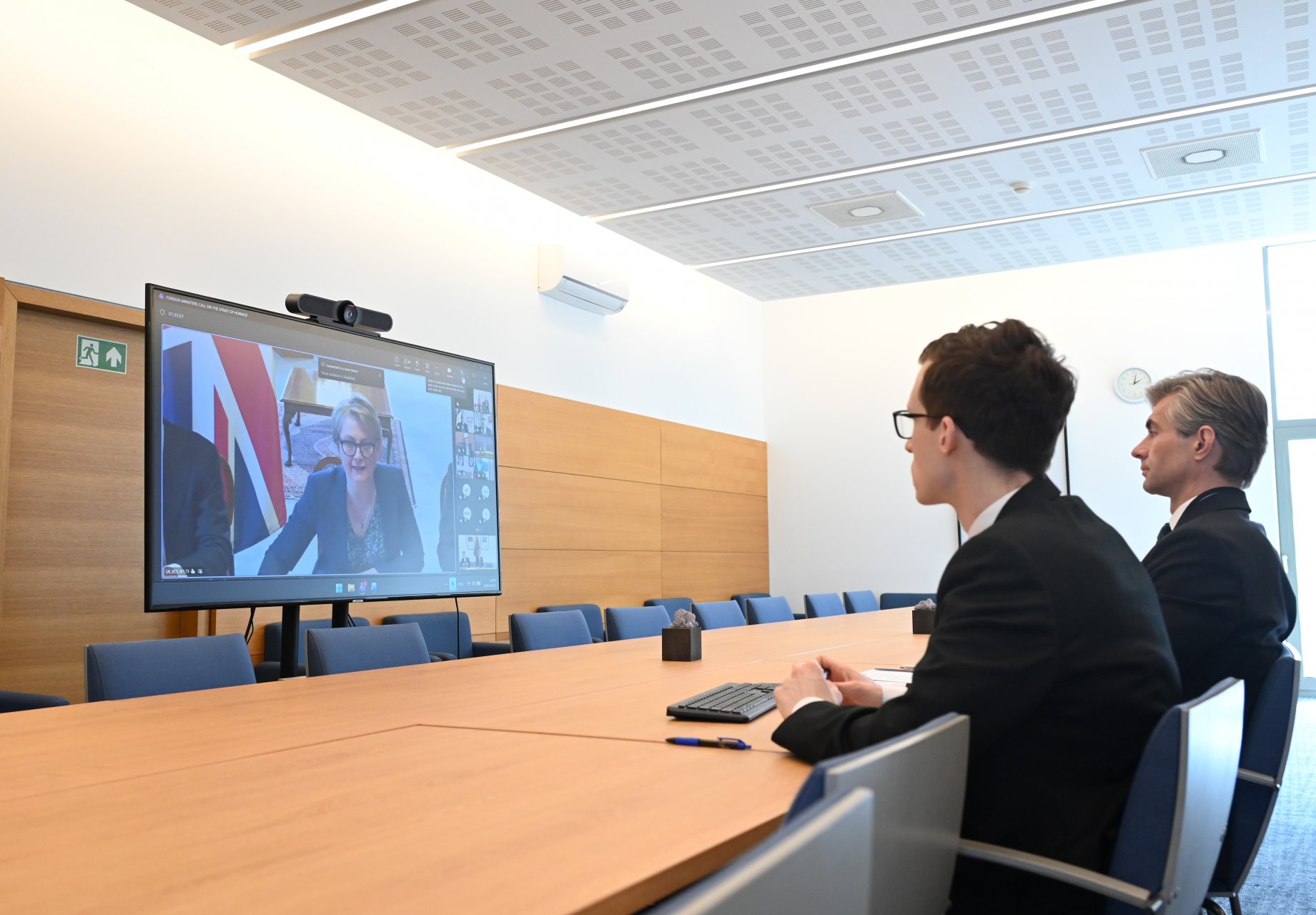
On 2 April, Minister of Foreign Affairs Kęstutis Budrys participated remotely in a multilateral meeting to discuss the situation in the Strait of Hormuz. The informal meeting addressed diplomatic measures and practical actions by the international community aimed at restoring shipping and the transit of oil and gas through this strategically important strait.
Lithuania’s head of diplomacy emphasized that freedom of navigation remains one of the fundamental principles of international law, and therefore, concerted action by the international community is essential to resolve the current situation.
“A blockade of the Strait of Hormuz poses a serious threat to global trade, civilian shipping, and as well as energy and economic security. Free and safe transit through the Strait is in our common interest. Lithuania supports the international community’s efforts and will continue to actively contribute to them by supporting diplomatic measures, sanctions, and international pressure on those who destabilize the region,” said Budrys.
The meeting addressed United Nations mechanisms, measures of international pressure, practical assistance to shipping companies, and the coordination of situation monitoring and response.
According to the Minister, it is essential to closely coordinate actions with the United States and other like-minded partners, strengthening a common position at the UN, the International Maritime Organization, and other international platforms. Lithuania also welcomes the UN Secretary-General’s initiative to establish a special working group that would bring together experts from these organizations to ensure safe humanitarian transit through the Strait of Hormuz.
Budrys noted that it is important to maintain sanctions against Iran’s allies—Russia and Belarus—and to ensure that existing sanctions are not weakened or revoked. Lithuania’s Foreign Minister emphasized the need to further strengthen measures targeting the “shadow fleet” and other vessels involved in sanctions-evasion schemes, including those sailing under foreign flags.
According to the Minister, sanctions against Iran remain an important non-military tool for reducing Iran’s capabilities in the region, particularly those related to the production of drones and ballistic missiles. Lithuania is prepared to actively enforce existing EU sanctions regimes and coordinate actions with the United Kingdom and other like-minded states, adding individuals, entities, and vessels contributing to destabilizing activities or sanctions evasion to sanctions lists.
The informal meeting was organized at the initiative of the United Kingdom in response to the deteriorating maritime situation in the Strait of Hormuz. According to UN figures, shipping through the strait has essentially halted, while the International Maritime Organization reports that approximately 3,000 ships and 20,000 seafarers are still stranded in the region.
Social media


