


Budrys at the Lithuania–Germany Forum: German brigade in Lithuania is one of Europe’s most important security projects
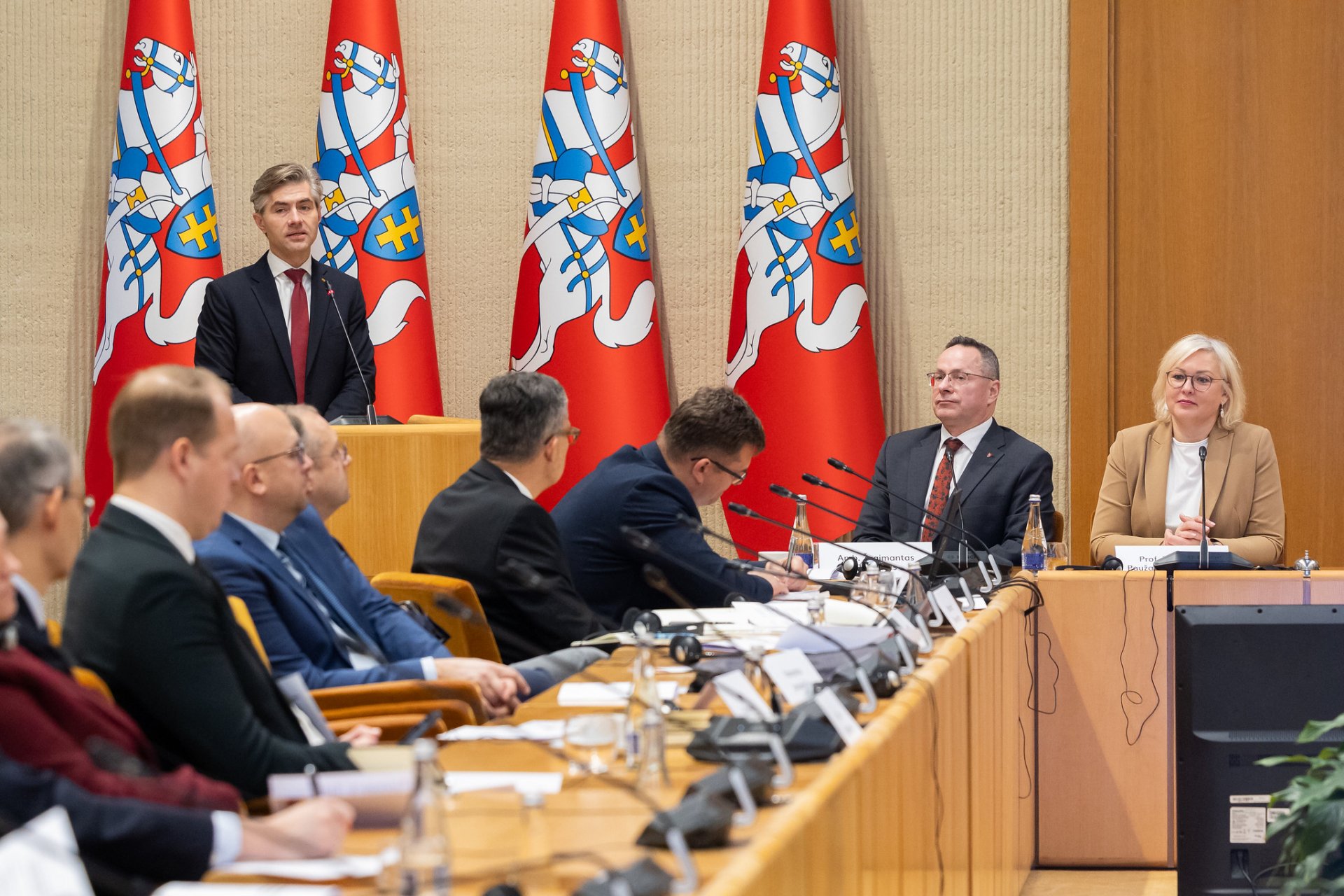
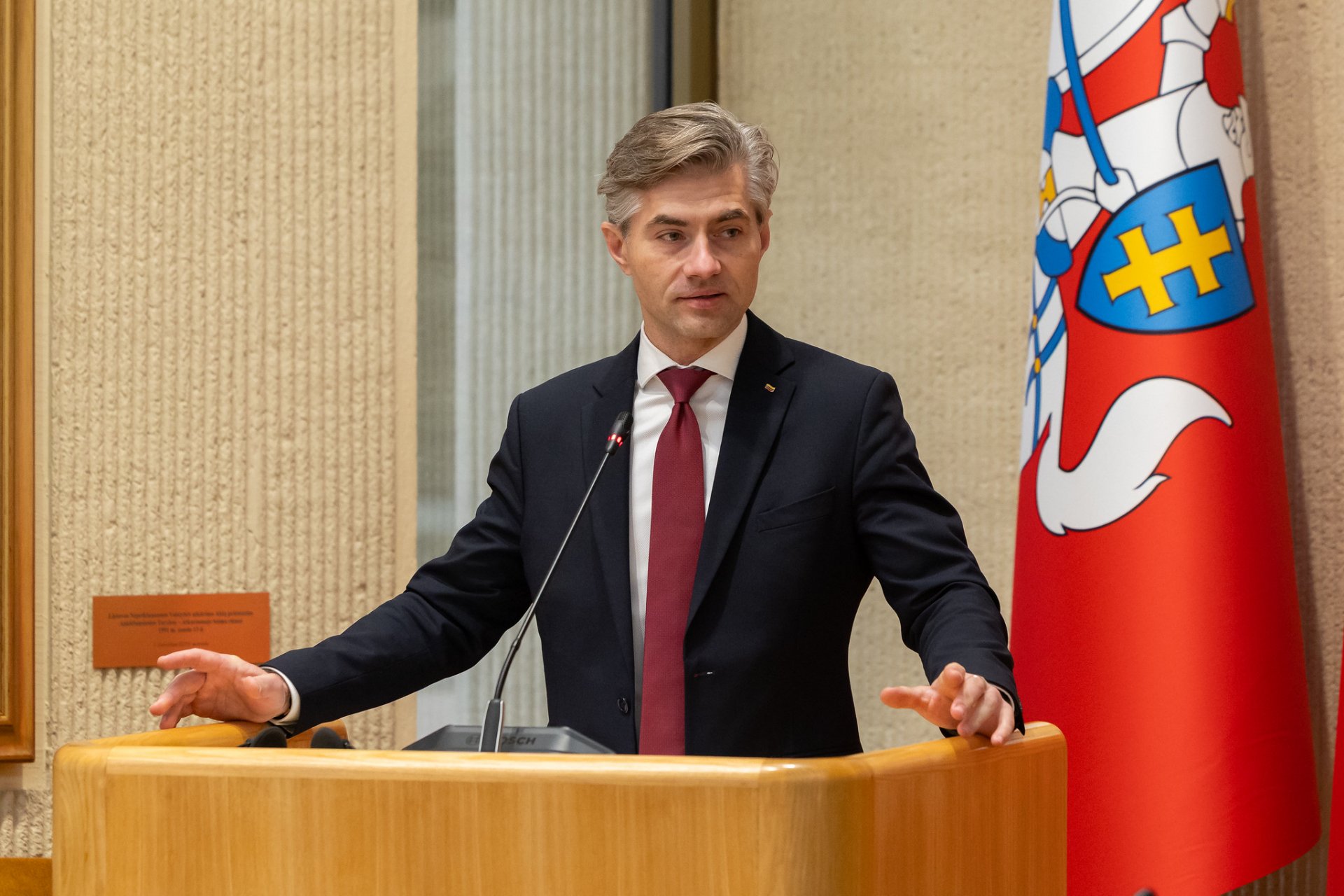
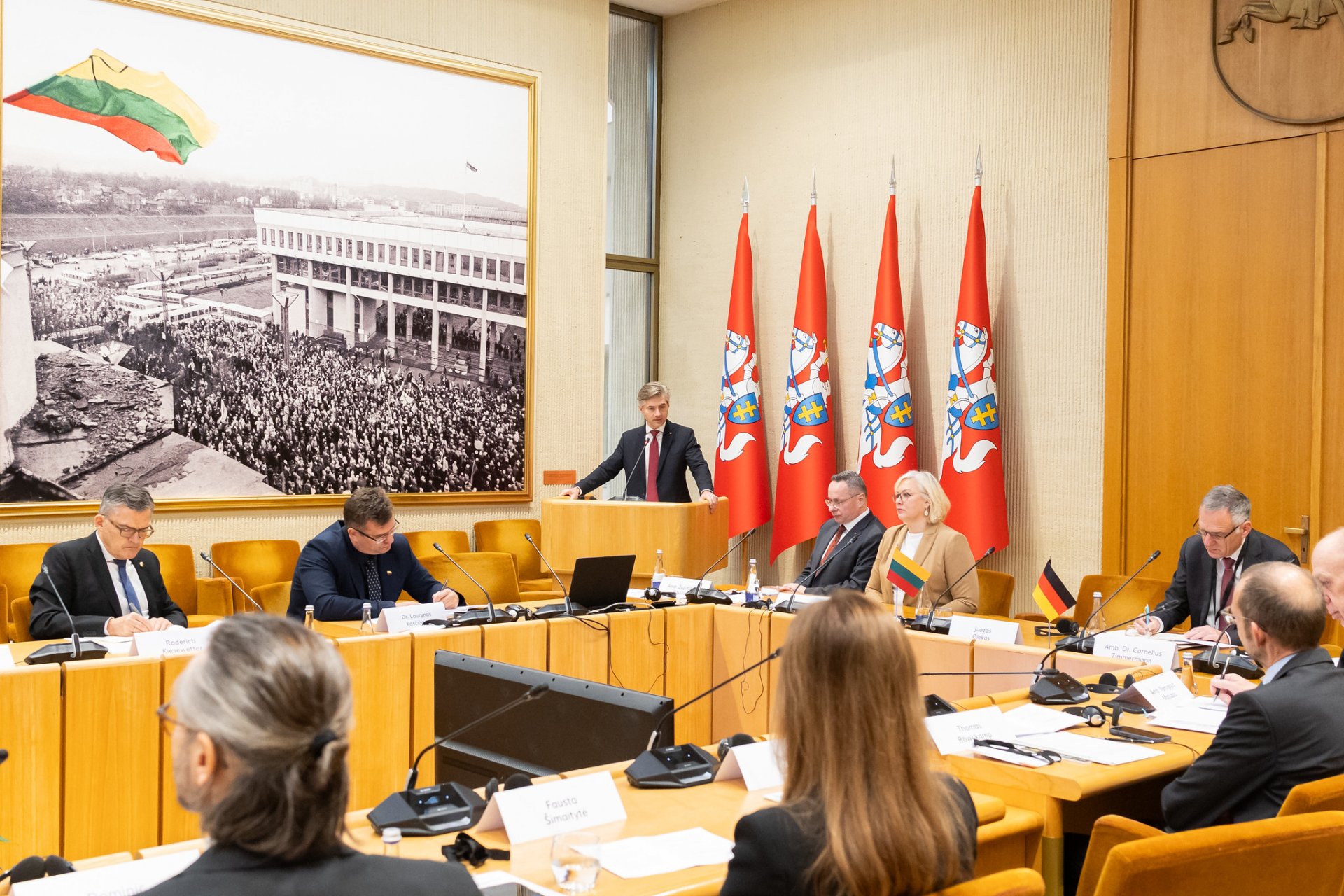
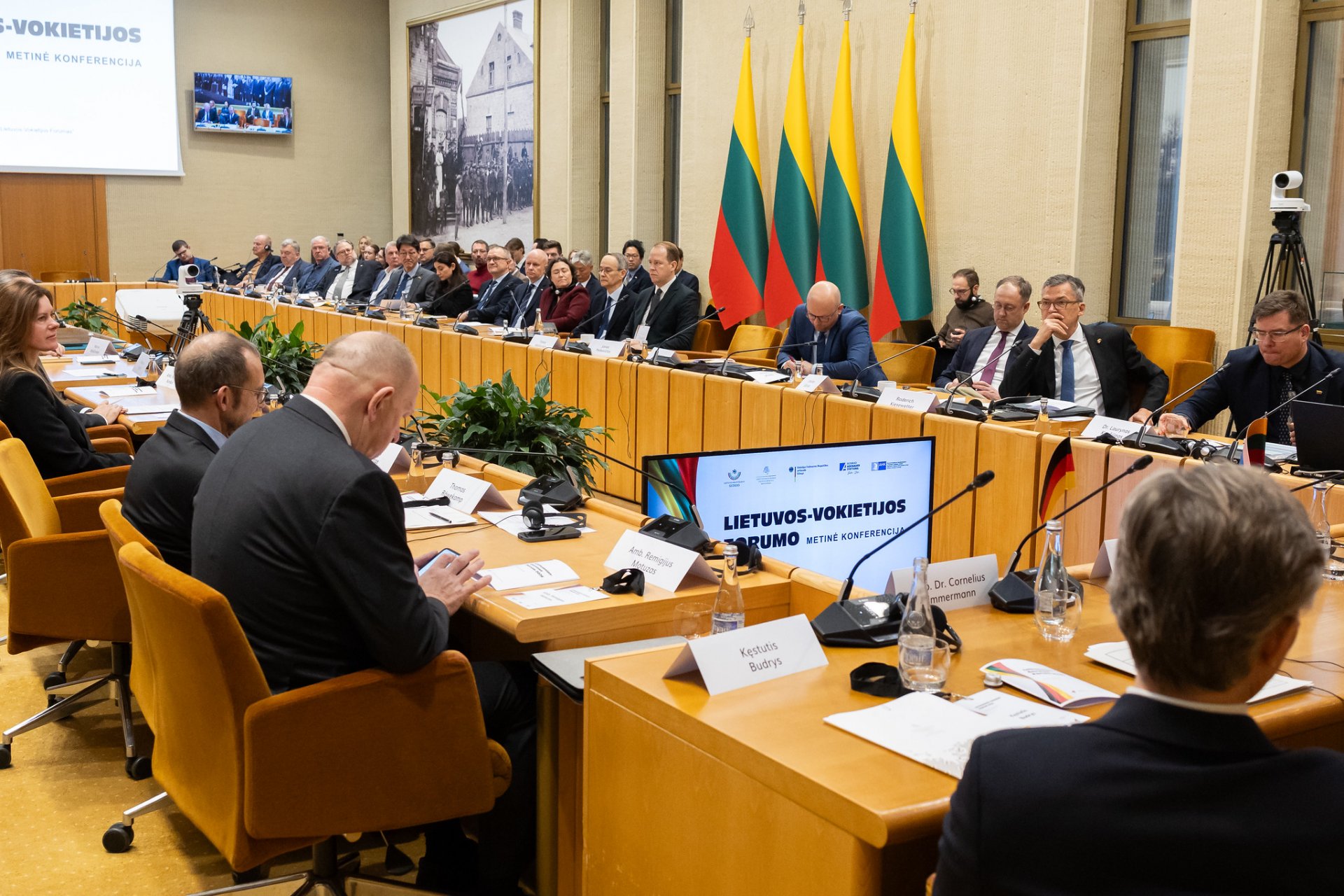
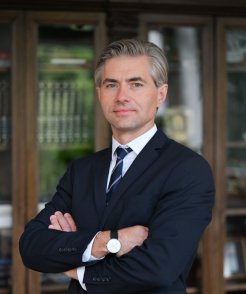
On 18 November, Minister of Foreign Affairs Kęstutis Budrys opened the Lithuania–Germany Forum.
In his welcoming remarks to the forum participants, the minister stressed that Lithuania and Germany are united by shared values and a common vision for Europe.
“Lithuania and Germany are like-minded countries. We share a clear understanding that European security begins with a strong transatlantic partnership, support for Ukraine and the determination to deter Russia. Today, our cooperation is becoming ever closer and increasingly important for both Europe and NATO,” the minister said.
Kęstutis Budrys noted that bilateral relations are steadily growing stronger across all areas, from economic cooperation to defence. According to the minister, the deployment of the German brigade in Lithuania is one of Europe’s most important security projects and clearly demonstrates both countries’ commitment to NATO’s collective defence.
The minister stressed that Europe’s security environment would continue to be shaped by Russia’s aggressive policies and the long-term threat it poses, regardless of the course and outcome of the war in Ukraine. Europe must therefore accelerate efforts to strengthen its defence capabilities, invest in the defence industry, address critical capability gaps and enhance resilience to hybrid, cyber and information threats.
The minister devoted particular attention to Ukraine, stressing that the approaching winter would bring another Russian attempt to break the resolve of the Ukrainian people through strikes against energy infrastructure.
“We must help Ukraine prepare for another winter at war. This means not only military support, but also tangible assistance to its energy sector. I have called on our European partners and businesses to actively contribute by providing Ukraine with transformers, electricity grid equipment and other critical energy infrastructure needed to ensure that millions of people have light and heating,” Budrys said.
The minister also highlighted Lithuania’s contribution to strengthening Ukraine’s resilience. He said that Lithuania would continue providing support to Ukraine’s energy sector and assisting with the restoration of locomotives and other critical infrastructure, thereby helping to keep the Ukrainian economy functioning and strengthening the country’s resilience during the war.
Speaking about Lithuania’s Presidency of the Council of the European Union, Budrys stressed that its primary objective would be to build consensus within the EU around decisions that strengthen the continent’s security and resilience.
“Our Presidency priorities are dictated by geopolitical realities. We will seek to accelerate the strengthening of European defence, enhance resilience to external threats, ensure strong and sustained support for Ukraine, and deepen EU–US cooperation. Europe must act with unity and strategic purpose,” the minister said.
According to Budrys, Lithuania looks forward to working closely with Germany to achieve these objectives.
“With a partner like Germany by our side, we can bring Europe together around decisions that enhance our security, strengthen support for Ukraine and build a more resilient Europe. The Lithuania–Germany partnership is one of the key pillars of this vision,” Budrys said.
Social media


