


AT THE UNITED NATIONS LITHUANIA SHARED EXPERIENCE OF IMPLEMENTING EDUCATIONAL PROJECTS IN AFGHANISTAN’S GHOR PROVINCE
On 1–2 April, Undersecretary of the Ministry of Foreign Affairs of the Republic of Lithuania Oskaras Jusys took part in thematic debate at the General Assembly of the United Nations in New York concerning implementation of the Millennium Development Goals. The debate was initiated by Dr. Srgjan Kerim, the President of the UN General Assembly. The goal of the debate is to discuss the achievements and address the challenges in the implementation of the Millennium Development Goals.
Undersecretary O.Jusys participated in the work of the group discussing the issues of education and shared Lithuania’s experience of implementing educational projects in Afghanistan’s Ghor province. The Undersecretary of the Ministry of Foreign Affairs noted that one of the major challenges in the implementation of the Millennium Development Goals in education was the provision of opportunities for learning in such conflict emaciated regions as Afghanistan.
“Lithuania is making a large contribution to the improvement of the conditions for education in Afghanistan’s Ghor province, which is administered by Lithuania. Projects such as training teachers, constructing schools, and providing school supplies are being implemented. Care is taken to educate children in remote areas and provide equal opportunities for boys and girls to acquire a primary education,” O. Jusys said.
The debate focuses on the Millennium Development Goals concerning poverty, primary education, and health. Ban Ki-moon, Secretary-General of the United Nations; Srgjan Kerim, President of the General Assembly of the United Nations; Kandeh Yumkella, Director General of the UN Industrial Development Organisation; and other high-ranking officials from various countries participate in the debate.
Member states of the UN agreed on the Millennium Development Goals in 2000. The resolution adopted by the General Assembly of the UN identifies eight goals that are to be attained by 2015. These goals aim to solve the major problems of the most deprived countries in the world: eradicating poverty, providing conditions for universal primary education for children, promoting gender equality, solving health problems, combating HIV/AIDS, and encouraging development cooperation.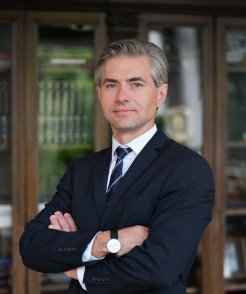
Social media


