


At the EU Foreign Affairs Council emphasis on an urgent need for Europe to adopt vital decisions on support for Ukraine and its EU membership
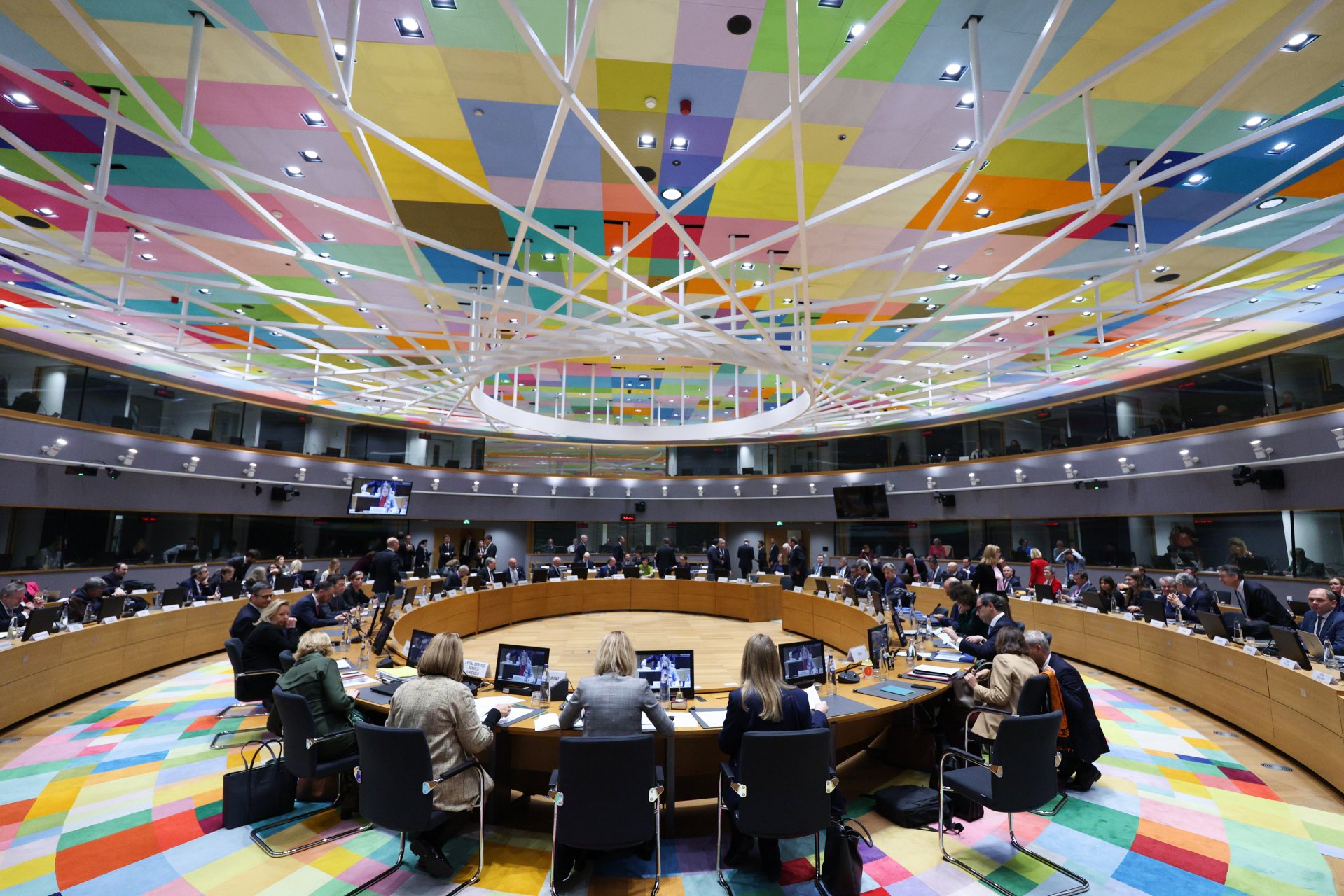
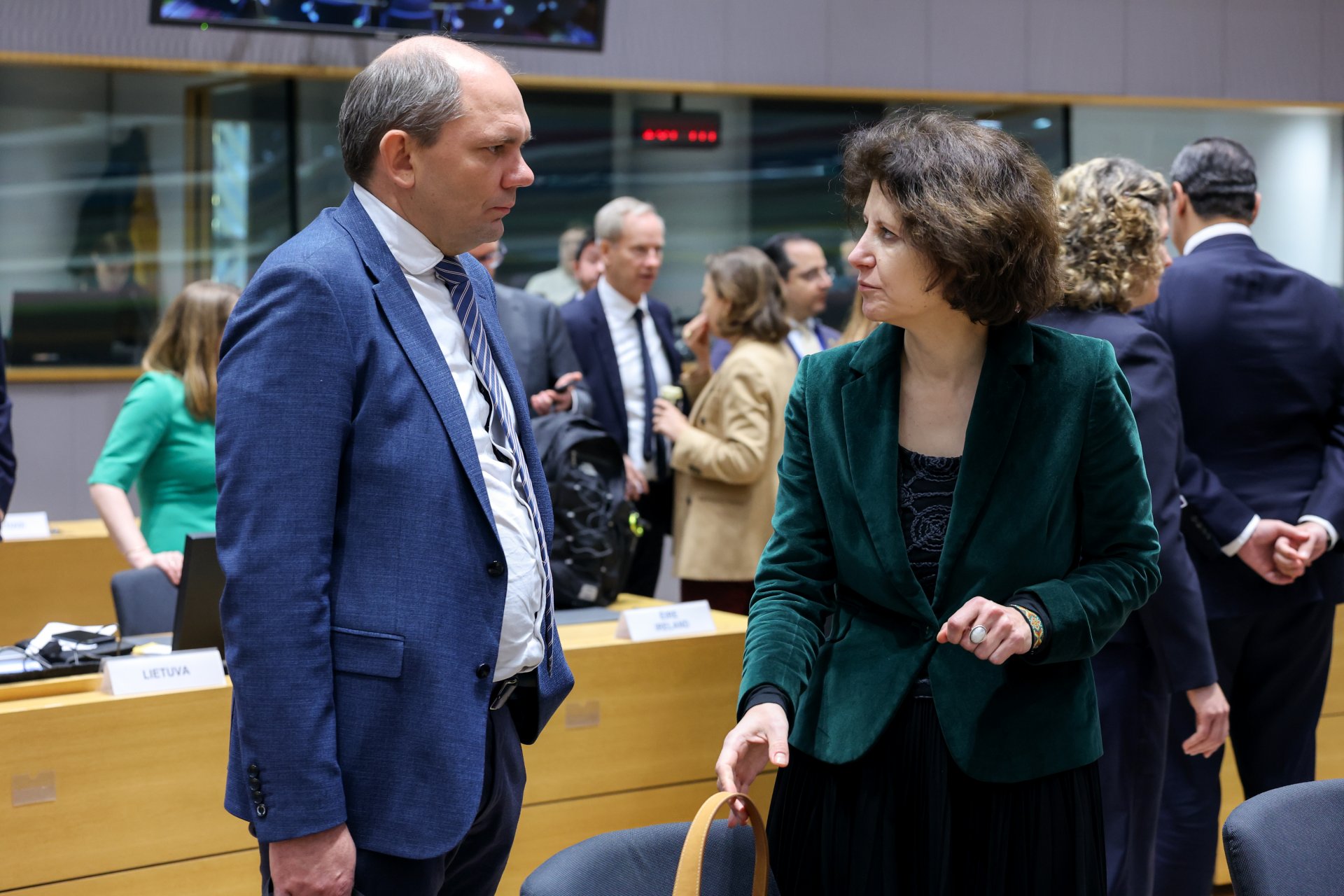
The Vice-Minister of Foreign Affairs Audra Plepytė attended the meeting of the Foreign Affairs Council of the European Union on 29 January in Brussels, which focused on the EU's support for Ukraine in its fight against Russian aggression. The Council also discussed the EU's Common Foreign and Security Policy perspectives for 2026 and the EU's commitment to ensuring respect for a rules-based, multilateral international order.
“We are convinced that diplomatic processes without changes on the front lines will not bring peace . We must face the reality in Ukraine, where the aggressor, Russia, relentlessly bombs civilians and energy infrastructure. We call for an urgent increase in the EU's support for Ukraine and strengthening of its negotiating position, as well as to provide Ukraine and its people with a clear perspective on EU membership by 2030 - this would be the strongest non-military security guarantee the EU can offer Ukraine," Plepytė said.
The Vice-Minister informed the audience about the assistance provided by the Lithuanian Government to Ukraine's energy sector, specifically the delivery of generators, and called for the 20th sanctions package against Russia to be prepared as soon as possible, which would include sanctions targeting Russia's energy, financial, technology sectors, and the shadow fleet. Lithuania expressed support for Estonia's proposal to ban entry into the Schengen area for soldiers who participated in Russia’s aggression against Ukraine.
The Vice-Minister underlined Belarus' support for Russia's aggression against Ukraine, human rights violations by the Belarusian regime, and ongoing hybrid attacks on Lithuania, and called for maintaining existing EU sanctions against Belarus and applying new sanctions on enablers of Russia's war of aggression.
The Foreign Affairs Council endorsed the first decision of the European Council of 18 December to provide a loan to Ukraine of EUR 90 billion, with a view to agreeing on the terms and conditions for the granting and use of this loan as soon as possible. Sanctions against Russian entities responsible for spreading disinformation were also adopted.
During an informal exchange of views with the UN High Commissioner for Human Rights, Volker Türk, the Vice-Minister called for accountability for Russia's war crimes in Ukraine and highlighted the repression by the Belarusian regime.
The Council adopted new EU sanctions against Iran in response to its continued military support for Russia’s war of aggression against Ukraine and its mass repression of protesters in early 2026. The Vice-Minister welcomed the approval of Lithuania's proposals for sanctions on Iran's support for Russia's aggression against Ukraine and the EU's decision to add Iran's Revolutionary Guards to the terrorist list.
The Foreign Affairs Council also discussed the situation in Gaza and Syria, as well as the conflict between the Democratic Republic of Congo and Rwanda.
Photos of the Foreign Affairs Council's meeting: https://newsroom.consilium.europa.eu/events/20260129-foreign-affairs-council-january-2026
Social media


