


Ahead of Lithuania’s Presidency of the Council of the EU, Budrys stresses strengthening European security and competitiveness in Malta
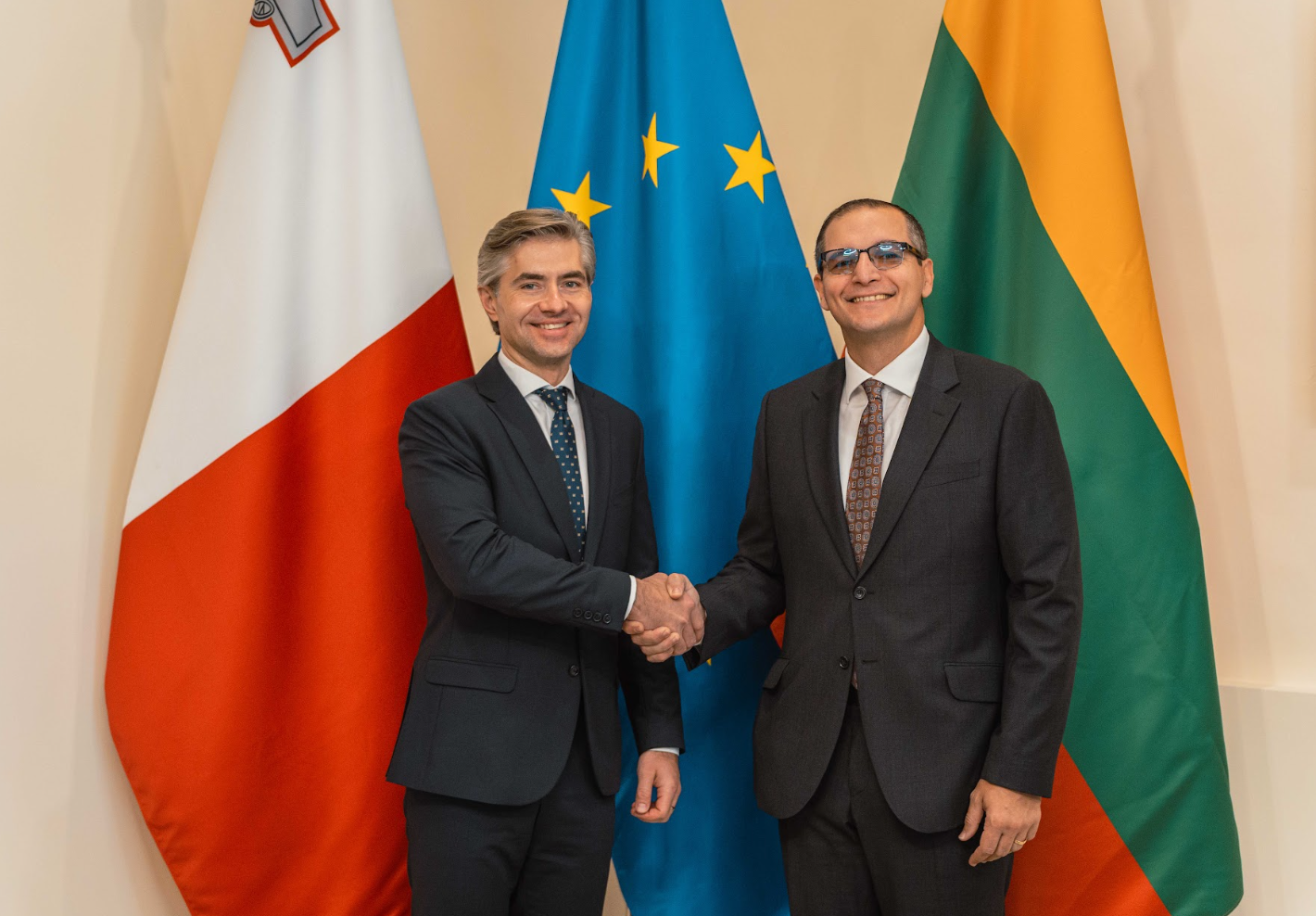
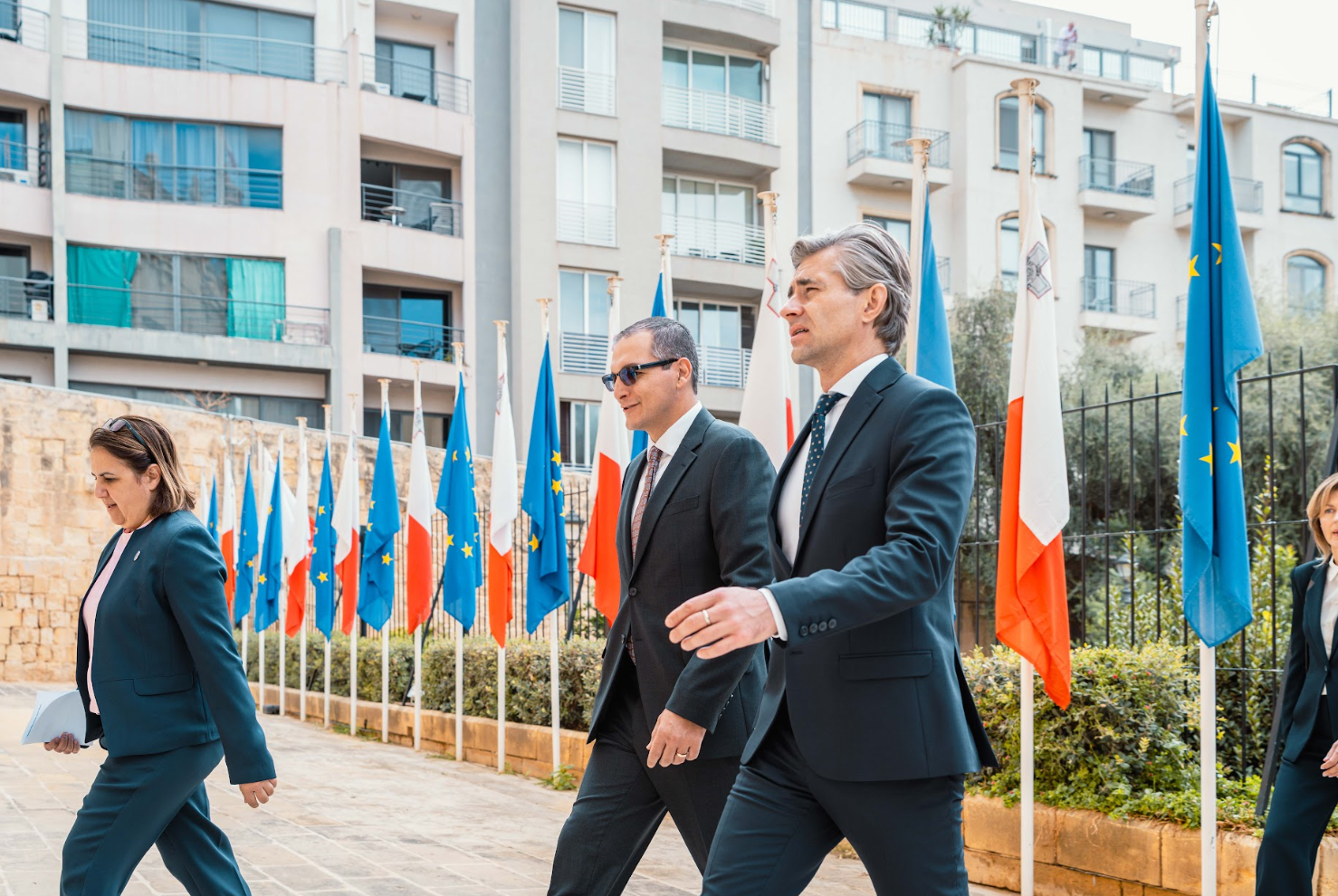
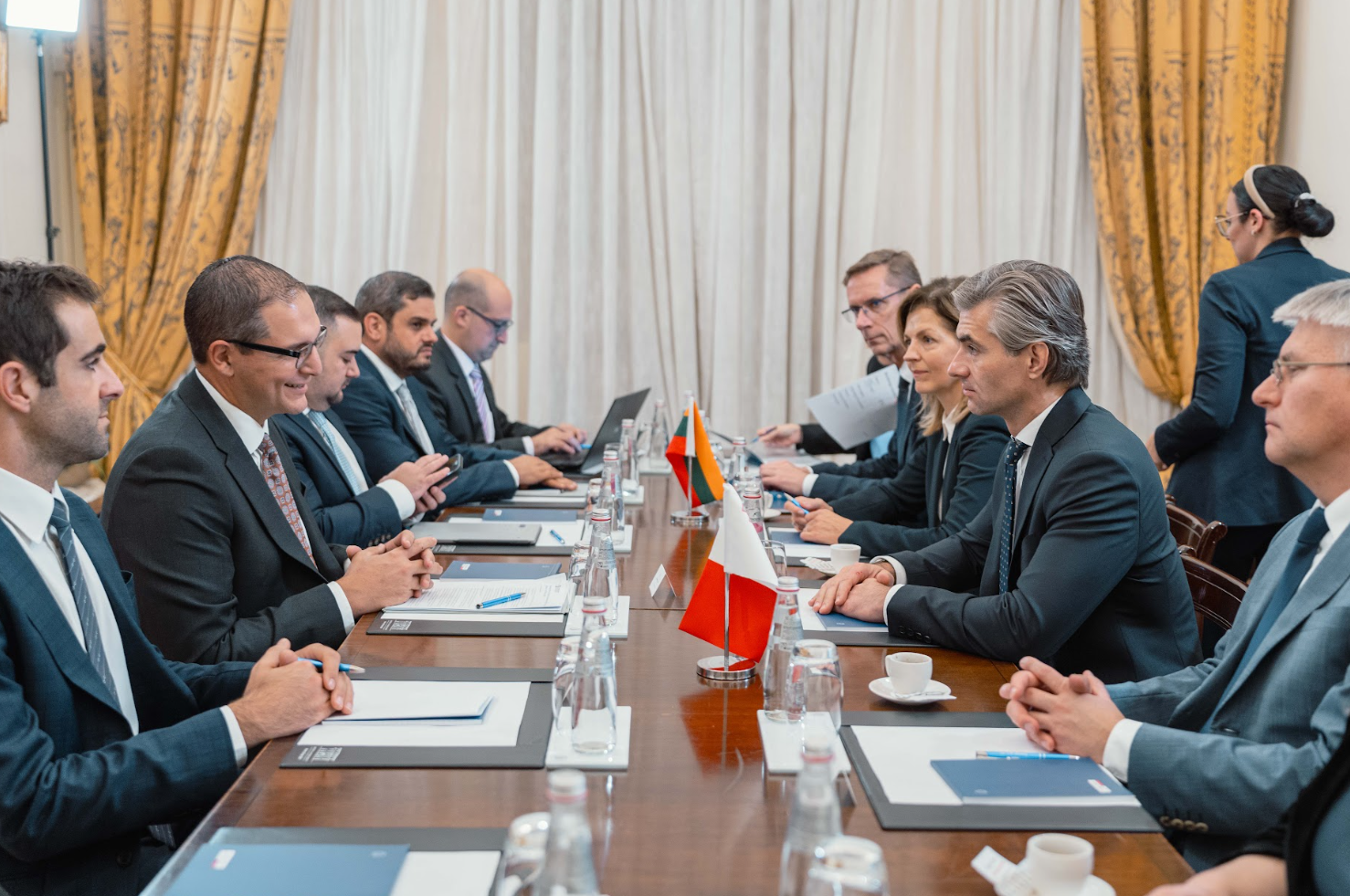
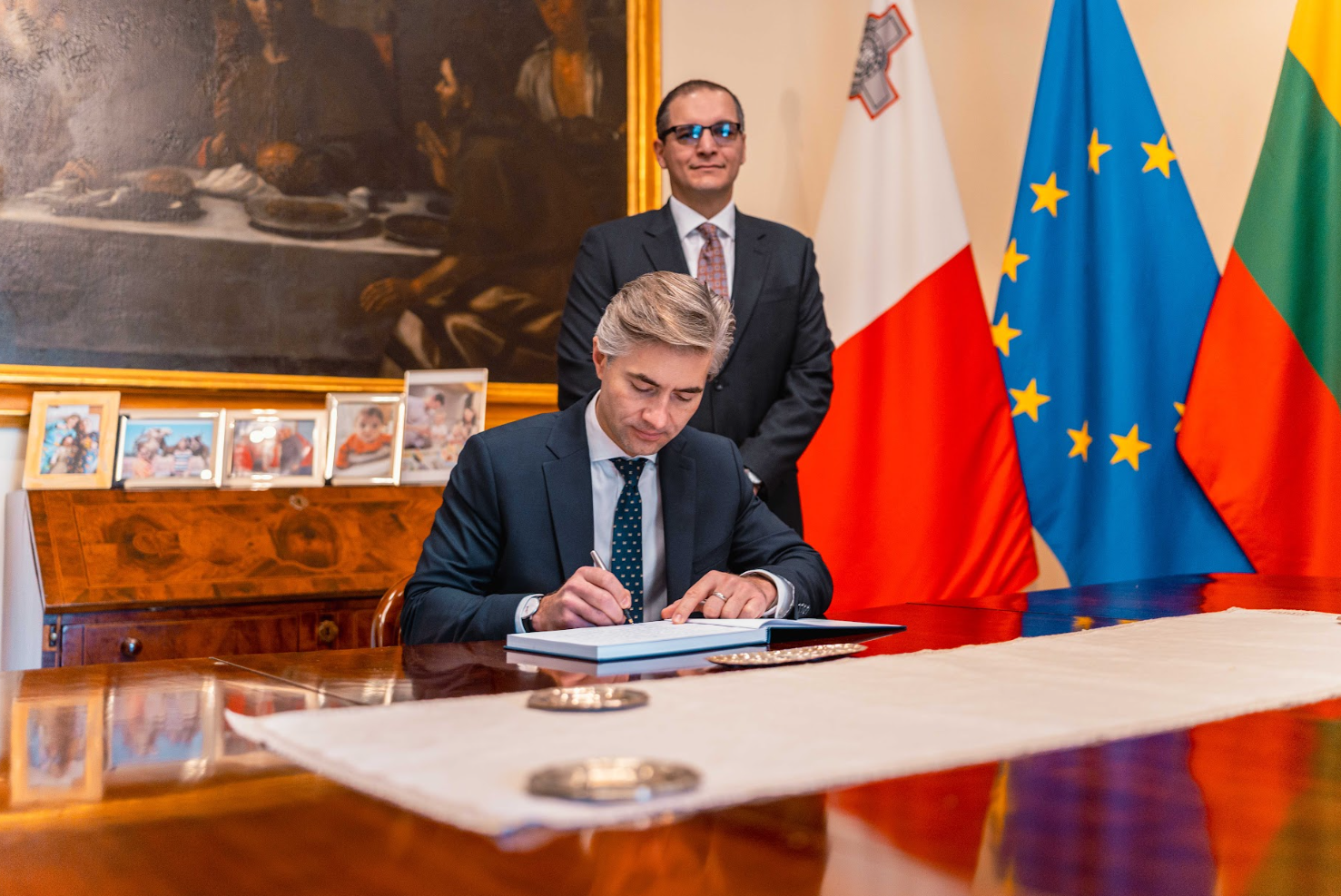
On 26 October in Valletta, Minister of Foreign Affairs Kęstutis Budrys met Malta’s Permanent Secretary for Foreign Affairs and European Affairs, Christopher Cutajar. They discussed preparations for Lithuania’s Presidency of the Council of the European Union (EU) in the first half of 2027, strengthening European security, support for Ukraine, responses to migration challenges, and key international policy issues.
The visit is one in a series of high-level visits by Lithuanian officials to EU capitals aimed at presenting the priorities of Lithuania’s forthcoming Presidency of the Council of the EU.
According to Budrys, during its Presidency Lithuania will seek to act as an honest and impartial broker, bringing Member States together to find common solutions on European security, resilience, competitiveness and EU enlargement.
“Europe today faces exceptional challenges: Russia’s aggression against Ukraine, growing hybrid threats, geopolitical instability and the need, dictated by the global environment, to strengthen the EU’s economic power. Lithuania will therefore focus during its Presidency primarily on ensuring the EU’s security, resilience and competitiveness,” Lithuania’s Foreign Minister said.
The meeting also addressed negotiations on the EU’s Multiannual Financial Framework for 2028–2034. The Minister stressed the need to increase funding for European security and defence, military mobility, strategic infrastructure projects and their protection, while maintaining strong support for cohesion and agricultural policies.
Considerable attention was devoted to support for Ukraine. According to Budrys, although Ukraine is not yet an EU Member State, it is already defending Europe. The EU must therefore strengthen its political, financial and military support for Ukraine, increase pressure on Russia, ensure the effective implementation of sanctions, and prevent their circumvention.
“Pressure on the aggressor must be maintained, and Ukraine must receive all the support it needs for its defence and reconstruction,” Budrys said.
Migration and the protection of the EU’s external borders were another important topic discussed at the meeting.
“Strengthening resilience must become a core EU priority. This means not only having strong external borders and effectively implementing the Pact on Migration and Asylum, but also being able to respond collectively to the full spectrum of hybrid threats, from the instrumentalisation of migration to sabotage, GPS interference and airspace violations,” Budrys said.
Speaking about European security and defence, the Minister outlined Lithuania’s ambition to contribute actively during its Presidency to shaping the EU’s defence readiness agenda, strengthen complementary EU-NATO cooperation, advance military mobility projects, and support the development of Europe’s defence industrial capabilities.
The visit also covered security issues in the Middle East, the situation in Libya, Russia’s influence in the region, and safeguarding freedom of navigation along strategically important maritime routes.
Budrys invited Maltese companies to participate actively in major international business and innovation events to be held in Lithuania in 2027, including the Baltic Miltech Summit, Vilnius Space Days, Life Sciences Baltics and DigiTech Summit Vilnius. The Minister emphasised that, as EU partners, Lithuania and Malta have a strong foundation for closer political and economic cooperation and regular dialogue in addressing shared European and international security challenges.
Social media


